 Top Video Viral


In 2012 when Pauline Potter claimed the world title for Guinness’ heaviest woman, she weighed as much as a fully grown female polar bear.
After she was named the “world’s fattest woman,” the 61-year-old star of TLC’s My 600-lb Life made a shocking transformation, leaving fans gobsmacked over her new appearance.
Pauline Potter became a household name in 2011 when she earned the Guinness World Record for being the world’s heaviest woman, tipping the scales at over 700 pounds (320 kilograms).
At the time, the title was one that she and her ex-husband Alex held in high regard.
“Alex encouraged me to eat whatever I wanted. He would make huge meals of turkey and roast potatoes and pile it on my plate,” Potter said of the man she married on Valentine’s Day in 2003, less than one year after meeting him online. “Because he loved my size, I set a goal to reach [700 pounds], to make sure I was even bigger for him.”
Speaking with the Mirror, Potter explains that Alex was fond of bigger women and enjoyed stuffing her: “He made spaghetti and French bread for me. He would bring home pudding and feed it to me. It was very intimate. It was a very loving thing.”
But according to Dr. Chris Steele, the former resident doctor for ITV’s This Morning, there is nothing loving about rallying behind obesity.
“At [700 pounds], Pauline weighed more than her age at 47 and she is dicing with death. Anyone who is that overweight faces huge potential health problems.”
‘Fattest woman’
When Potter learned that Guinness named her “the world’s fattest woman,” she said she “was shocked.”
Adding to that, her seemingly loving husband bailed from the relationship, leaving her in the care of her 17-year-old son Dillon.
Potter, who could “only feed” and “wipe” herself, depended on Dillon for almost everything, including mobility and cleaning.
“I have a walk-in bath and I sit on a stool with a flexible shower head on a lead. There’s a lot of work involved. With lots of rolls of flesh you can get infection in the folds,” she tells the Mirror. “To prevent this, I wash every day, dry myself thoroughly and then rub corn starch into the folds around my stomach and behind my knees.”
She adds, “My son has to help me when there are areas I can’t reach.”
Also, Potter needed her mobility scooter to get around since she outgrew her vehicle and Dillon frequently had to help her shop.
“Occasionally I do get nasty comments. I try to rise above it, but I feel upset for Dillon. I know he feels embarrassed, and I worry what his friends think.”
Progress and setbacks
Potter’s health struggles, coupled with the desire to reclaim her independence, motivated her to seek help. Her turning point came when she appeared on TLC’s My 600-lb Life in 2014. On the reality show, she worked with renowned bariatric surgeon Dr. Younan Nowzaradan – affectionately known as “Dr. Now” – who guided her through the grueling process of weight loss.
When Potter first appeared on the show, she weighed 643 pounds. Despite initial setbacks, including difficulty adhering to a strict 1,200-calorie diet, Potter’s perseverance began to pay off.
The woman eventually made progress on her weight loss journey, shedding 44 pounds, which earned Dr. Now’s approval for gastric bypass surgery.
However, the road after her weight loss procedure was far from smooth. Instead of rapidly losing weight, Pauline struggled, made excuses and even experienced weight gain.
“Her attitude is her biggest problem right now,” Dr. Now said of the stubborn woman, who often refused to get out of bed, and continued to eat junk food.
Extreme weight loss
But Potter finally regained control over her health, and years later, she lost 500 pounds and had skin removal surgery, landing her at her lowest weight. In January 2022, Potter shared an Instagram post, her first in “a long time.”
“I’m proud to say that now I’m down to 223 pounds, it feels so great to be able to not be reliant on someone else to do even the littlest things for me,” she writes in the post that includes images of her stunning slimmed down physique.
Inspired by her weight loss story, fans continue to offer support, cheering her on through every milestone.
“What an amazing transformation and inspiration you are, you look amazing!!” shares one fan, while another writes, “Well done, you look so beautiful.” A third added: “You look great! What an accomplishment!”
What advice would you offer someone who is struggling with food addiction? Please share your thoughts with us and then share this story so we can hear from others!

Peeing in the shower may be something you do from time to time without giving it much thought. Or maybe you do it but wonder if it’s actually OK. Maybe it’s something you’d never consider doing.
So, is it OK to pee in the shower?

For environmentally conscious folks, it’s not only OK, it’s great for the planet because it conserves water that would be used to flush the toilet.
Water conservation aside, however, you may wonder if it’s safe or sanitary, since the shower is a place you want to emerge from cleaner than when you entered.
The truth is that while urine isn’t as clean and pure as some people think it is, most of the time it’s not likely to cause health problems if you occasionally opt for the shower drain instead of the toilet bowl.
Is urine sterile?
Despite rumors to the contrary, urine is not sterileTrusted Source. It can contain dozens of different types of bacteria, including Staphylococcus and Streptococcus, which are associated with staph infections and strep throat, respectively.
However, bacteria counts are relatively low in healthy urine, though they may be much higher if you have a urinary tract infection (UTI).
Healthy urine is mostly water, electrolytes, and waste products, such as urea. Urea is the result of proteins breaking down.
It’s unlikely that your own urine could cause an infection even if bacteria in the urine made their way into your body through a cut or other wound on your legs or feet.
And if you’re concerned about the presence of urine on the shower floor presenting an unusual cleaning emergency, think about times you’ve showered after a day at the beach or having worked or played outside.
You picked up more than your share of dirt, mud, and who knows what else on your skin or in your hair. You’ve probably washed far less sterile things than urine off your body and down the drain.
While it’s important to regularly clean and disinfect your shower, a little pee on the shower floor or drain doesn’t mean you need to change your cleaning routine.
Just give the floor an extra rinse before you turn off the water.
How about if you share a shower?
From a courtesy standpoint, it may be best to avoid peeing in the shower if you share a shower or are using a public shower, unless those who share the shower are on board with the idea and no one is walking around with a contagious infection.
What complicates the shared shower scenario is that you may not know if someone else has a UTI or other infection.
Because infection-causing bacteria could be present in some urine, there’s a slight chance you could contract something, especially if you have a cut or other open wound on your foot.
Infections such as MRSA can be transmitted via a shower floor.
What are the benefits to peeing in the shower?
Aside from convenience, many people champion shower-peeing for its environmental impact.
SOS Mata Atlantica Foundation, a Brazilian environmental organization, grabbed global headlines in 2009 with a video urging people to pee in the shower.
Through the ad, they suggested that saving one toilet flush a day would save more than 1,100 gallons of water a year.
And in 2014, two students at England’s University of East Anglia launched a #GoWithTheFlow campaign to save water by urinating during shower time.
In addition to saving water, you can also save on your water bill and a little on your toilet paper expenses, too.
Can urine treat athlete’s foot?
The practice of urine therapy, in which a person consumes their own urine or applies it to the skin, can be seen in cultures around the world.
Because urine contains urea, a compound that’s included in many skin care products, some people believe that peeing on your feet may help prevent or treat the fungal infection known as athlete’s foot.
There is, however, no scientific evidence that urine can treat athlete’s foot or any other type of infection or issue.
What about other bodily fluids in the shower?
Urine isn’t the only bodily fluid that makes it to the shower floor. Sweat, mucus, menstrual blood, and even fecal matter can be in the mix with that nice, hot shower.
To help keep yourself and anyone else using the shower as safe as possible, wash and disinfect your shower every 1 to 2 weeks.
In between cleanings with bleach products, give your shower floor a few seconds of a hot-water rinse before exiting after each shower.
If you’re the only one using your shower, you’re probably safe peeing in there, too. And if you do pee in the shower, then make sure you regularly clean it.
But if you’re sharing a shower with family members or roommates, find out if everyone is comfortable with how that shower is being used.
If you’re using a public shower in a dormitory or other facility, be considerate to strangers and hold it in.
For your own health, wear a pair of clean shower shoes or flip-flops when using a public shower, especially if you have any cuts, sores, or other openings on the bottom of your foot.
So, is it OK to pee in the shower?
For environmentally conscious folks, it’s not only OK, it’s great for the planet because it conserves water that would be used to flush the toilet.
Water conservation aside, however, you may wonder if it’s safe or sanitary, since the shower is a place you want to emerge from cleaner than when you entered.
The truth is that while urine isn’t as clean and pure as some people think it is, most of the time it’s not likely to cause health problems if you occasionally opt for the shower drain instead of the toilet bowl.
Is urine sterile?
Despite rumors to the contrary, urine is not sterileTrusted Source. It can contain dozens of different types of bacteria, including Staphylococcus and Streptococcus, which are associated with staph infections and strep throat, respectively.
However, bacteria counts are relatively low in healthy urine, though they may be much higher if you have a urinary tract infection (UTI).
Healthy urine is mostly water, electrolytes, and waste products, such as urea. Urea is the result of proteins breaking down.
It’s unlikely that your own urine could cause an infection even if bacteria in the urine made their way into your body through a cut or other wound on your legs or feet.
And if you’re concerned about the presence of urine on the shower floor presenting an unusual cleaning emergency, think about times you’ve showered after a day at the beach or having worked or played outside.
You picked up more than your share of dirt, mud, and who knows what else on your skin or in your hair. You’ve probably washed far less sterile things than urine off your body and down the drain.
While it’s important to regularly clean and disinfect your shower, a little pee on the shower floor or drain doesn’t mean you need to change your cleaning routine.
Just give the floor an extra rinse before you turn off the water.
How about if you share a shower?
From a courtesy standpoint, it may be best to avoid peeing in the shower if you share a shower or are using a public shower, unless those who share the shower are on board with the idea and no one is walking around with a contagious infection.
What complicates the shared shower scenario is that you may not know if someone else has a UTI or other infection.
Because infection-causing bacteria could be present in some urine, there’s a slight chance you could contract something, especially if you have a cut or other open wound on your foot.
Infections such as MRSA can be transmitted via a shower floor.
What are the benefits to peeing in the shower?
Aside from convenience, many people champion shower-peeing for its environmental impact.
SOS Mata Atlantica Foundation, a Brazilian environmental organization, grabbed global headlines in 2009 with a video urging people to pee in the shower.
Through the ad, they suggested that saving one toilet flush a day would save more than 1,100 gallons of water a year.
And in 2014, two students at England’s University of East Anglia launched a #GoWithTheFlow campaign to save water by urinating during shower time.
In addition to saving water, you can also save on your water bill and a little on your toilet paper expenses, too.
Can urine treat athlete’s foot?
The practice of urine therapy, in which a person consumes their own urine or applies it to the skin, can be seen in cultures around the world.
Because urine contains urea, a compound that’s included in many skin care products, some people believe that peeing on your feet may help prevent or treat the fungal infection known as athlete’s foot.
There is, however, no scientific evidence that urine can treat athlete’s foot or any other type of infection or issue.
What about other bodily fluids in the shower?
Urine isn’t the only bodily fluid that makes it to the shower floor. Sweat, mucus, menstrual blood, and even fecal matter can be in the mix with that nice, hot shower.
To help keep yourself and anyone else using the shower as safe as possible, wash and disinfect your shower every 1 to 2 weeks.
In between cleanings with bleach products, give your shower floor a few seconds of a hot-water rinse before exiting after each shower.
If you’re the only one using your shower, you’re probably safe peeing in there, too. And if you do pee in the shower, then make sure you regularly clean it.
But if you’re sharing a shower with family members or roommates, find out if everyone is comfortable with how that shower is being used.
If you’re using a public shower in a dormitory or other facility, be considerate to strangers and hold it in.
For your own health, wear a pair of clean shower shoes or flip-flops when using a public shower, especially if you have any cuts, sores, or other openings on the bottom of your foot.

Today, Lila was the only child in a courtroom full of adults, declaring in a custody discussion that had taken a dark and bitter turn.
Her mother, seated to one side with a sharp-eyed lawyer, looked both weak and angry, clutching a tissue. Across the room, Lila’s father stared absently, visibly shaking. But none of that mattered to Lila.
She was looking at the dog sitting loyally in the aisle just outside the wooden barrier of the courtroom. His name was Charlie, a golden retriever with soft, wise eyes and a red vest that said Service Dog, Do Not Pet.
Lila had only connected to three people in the last two years.
The bruises healed. But something inside her voice didn’t. No therapist could break through.
No medication helped. Only Charlie could. The court had allowed the dog to go with her because, as her psychologist had shared, Charlie wasn’t just a normal animal, he was a bridge.
A bridge to the world that Lila no longer trusted. Judge Holloway, a stern woman in her 60s with a history of ruling by the book, looked down at the girl, Lila, she said gently.
I need to ask you a question. You don’t have to answer with words if you’re not ready. You can nod, or shake your head.
Okay. Lila didn’t move. Her fingers anchored around the stuffed animal.
And then something occured. Without a word, Lila lifted her right hand and made a short movement, barely visible.
A small circle in the air with her pinky finger. Charlie’s ears looked up. Then he stood.
He raced straight up the witness stand, turned to face the courtroom, and sat
entirely still. Another signal. Lila tapped her chest, twice.
Charlie barked once. Everyone froze.
What does that mean, she asked, turning to the bailiff. The psychologist came forward from the back of the courtroom, her eyes wide. That’s a connection sequence we grew.
Lila and Charlie practiced it for months. It’s her way of, telling the truth when she’s too afraid to speak. The judge twinkled.
She just said, I’m ready. And, I need to show you something. There was a long pause.
Then the psychologist walked gently up to the bench and handed the judge a small envelope. She gave me this yesterday. She said, if Charlie barks, you give this to the judge.
Judge Holloway unboxed the envelope slowly. Inside was a hand-drawn picture. It displayed a little girl, clearly Lila, crouched in the corner of a room, hands over her head.
A large, angry man towered over her, his face contorted in rage. In the corner of the picture was Charlie, barking at the man.
There, written in careful block letters, was one line. He says he loves me, but I’m only safe when he’s not near. A grasp rippled through the courtroom.
The father stood up immediately. This is silly. That dog is practiced.

She could’ve. Sit down, the judge snapped, voice sharp with fury. Or I will have you got rid of from this courtroom.
Silence fell again. Lila didn’t started. Charlie sat still, calm as ever, his eyes centered on the girl he’d sworn to protect.
And then, Lila spoke. Her voice was soft. But clear. Charlie understands who keeps me safe, she said. He remembers everything.
Even when I couldn’t. The courtroom was astonished. Even the court reporter’s fingers stopped typing.
Judge Holloway looked at her for a long moment. Then she turned to the mother.
Effective immediately. The mother started crying. The father tried to argue but the bailiff stepped in, firm and silent.
However, it wasn’t over yet. As the judge collected her papers and the gavel moved toward its final bang, she paused. She looked at Lila.
Then at Charlie. You’ve shared more in one signal than most adults do in a thousand words, she muttered. And with a trembling hand, she set down the gavel.
Not in judgment, but in awe. Six months later. Where Lila sat, the sun was shining on the park bench, a drawing pad in her lap, Charlie coiled beside her.
A little boy approached and asked, Can I pet your dog? Lila looked up. She smiled. Only if you ask him first.
How? She tapped her chest, twice. Charlie gave a happy bark and wagged his tail.
And Lila started laughed after a long time. A real laugh. The kind that said the bridge was working.
Her mother, seated to one side with a sharp-eyed lawyer, looked both weak and angry, clutching a tissue. Across the room, Lila’s father stared absently, visibly shaking. But none of that mattered to Lila.
She was looking at the dog sitting loyally in the aisle just outside the wooden barrier of the courtroom. His name was Charlie, a golden retriever with soft, wise eyes and a red vest that said Service Dog, Do Not Pet.
Lila had only connected to three people in the last two years.
The bruises healed. But something inside her voice didn’t. No therapist could break through.
No medication helped. Only Charlie could. The court had allowed the dog to go with her because, as her psychologist had shared, Charlie wasn’t just a normal animal, he was a bridge.
A bridge to the world that Lila no longer trusted. Judge Holloway, a stern woman in her 60s with a history of ruling by the book, looked down at the girl, Lila, she said gently.
I need to ask you a question. You don’t have to answer with words if you’re not ready. You can nod, or shake your head.
Okay. Lila didn’t move. Her fingers anchored around the stuffed animal.
And then something occured. Without a word, Lila lifted her right hand and made a short movement, barely visible.
A small circle in the air with her pinky finger. Charlie’s ears looked up. Then he stood.
He raced straight up the witness stand, turned to face the courtroom, and sat
entirely still. Another signal. Lila tapped her chest, twice.
Charlie barked once. Everyone froze.
What does that mean, she asked, turning to the bailiff. The psychologist came forward from the back of the courtroom, her eyes wide. That’s a connection sequence we grew.
Lila and Charlie practiced it for months. It’s her way of, telling the truth when she’s too afraid to speak. The judge twinkled.
She just said, I’m ready. And, I need to show you something. There was a long pause.
Then the psychologist walked gently up to the bench and handed the judge a small envelope. She gave me this yesterday. She said, if Charlie barks, you give this to the judge.
Judge Holloway unboxed the envelope slowly. Inside was a hand-drawn picture. It displayed a little girl, clearly Lila, crouched in the corner of a room, hands over her head.
A large, angry man towered over her, his face contorted in rage. In the corner of the picture was Charlie, barking at the man.
There, written in careful block letters, was one line. He says he loves me, but I’m only safe when he’s not near. A grasp rippled through the courtroom.
The father stood up immediately. This is silly. That dog is practiced.
She could’ve. Sit down, the judge snapped, voice sharp with fury. Or I will have you got rid of from this courtroom.
Silence fell again. Lila didn’t started. Charlie sat still, calm as ever, his eyes centered on the girl he’d sworn to protect.
And then, Lila spoke. Her voice was soft. But clear. Charlie understands who keeps me safe, she said. He remembers everything.
Even when I couldn’t. The courtroom was astonished. Even the court reporter’s fingers stopped typing.
Judge Holloway looked at her for a long moment. Then she turned to the mother.
Effective immediately. The mother started crying. The father tried to argue but the bailiff stepped in, firm and silent.
However, it wasn’t over yet. As the judge collected her papers and the gavel moved toward its final bang, she paused. She looked at Lila.
Then at Charlie. You’ve shared more in one signal than most adults do in a thousand words, she muttered. And with a trembling hand, she set down the gavel.
Not in judgment, but in awe. Six months later. Where Lila sat, the sun was shining on the park bench, a drawing pad in her lap, Charlie coiled beside her.
A little boy approached and asked, Can I pet your dog? Lila looked up. She smiled. Only if you ask him first.
How? She tapped her chest, twice. Charlie gave a happy bark and wagged his tail.
And Lila started laughed after a long time. A real laugh. The kind that said the bridge was working.
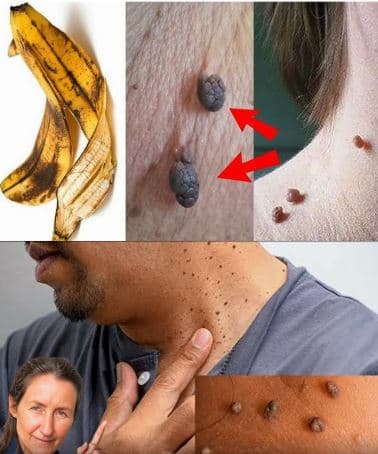
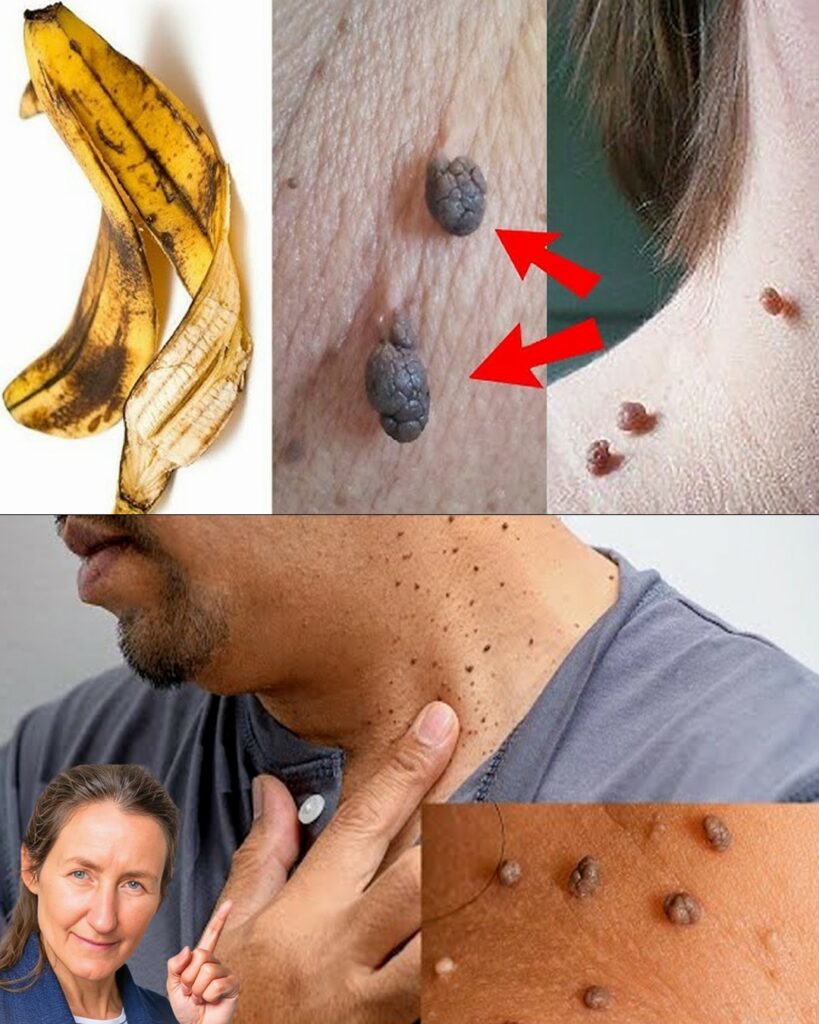
Skin tags, though harmless, can be an aesthetic concern for many. These small, soft skin growths typically appear on the neck, underarms, eyelids, and other body folds. If you’re looking for a straightforward and non-invasive way to remove them quickly, there are several home remedies you can try.
These methods can effectively diminish or completely remove skin tags overnight, using items you likely already have at home.
1. Apple Cider Vinegar (ACV)
Apple cider vinegar is renowned for its ability to break down the tissue surrounding skin tags, causing them to eventually fall off.
How to Use:
.Soak a cotton ball in apple cider vinegar, squeeze out excess liquid, then place it on the skin tag.
.Secure it with a bandage overnight. In the morning, remove the bandage and wash the area with water.
.Repeat nightly until the skin tag darkens and falls off.
2. Tea Tree Oil
Known for its antiseptic properties, tea tree oil is a safe and effective way to treat skin tags at home.
How to Use:
.Clean the area with soap and water and pat dry.
.Soak a clean cotton swab in water, then add a few drops of tea tree oil.
.Apply directly to the skin tag and cover with a bandage overnight.
.Use daily until the skin tag falls off.
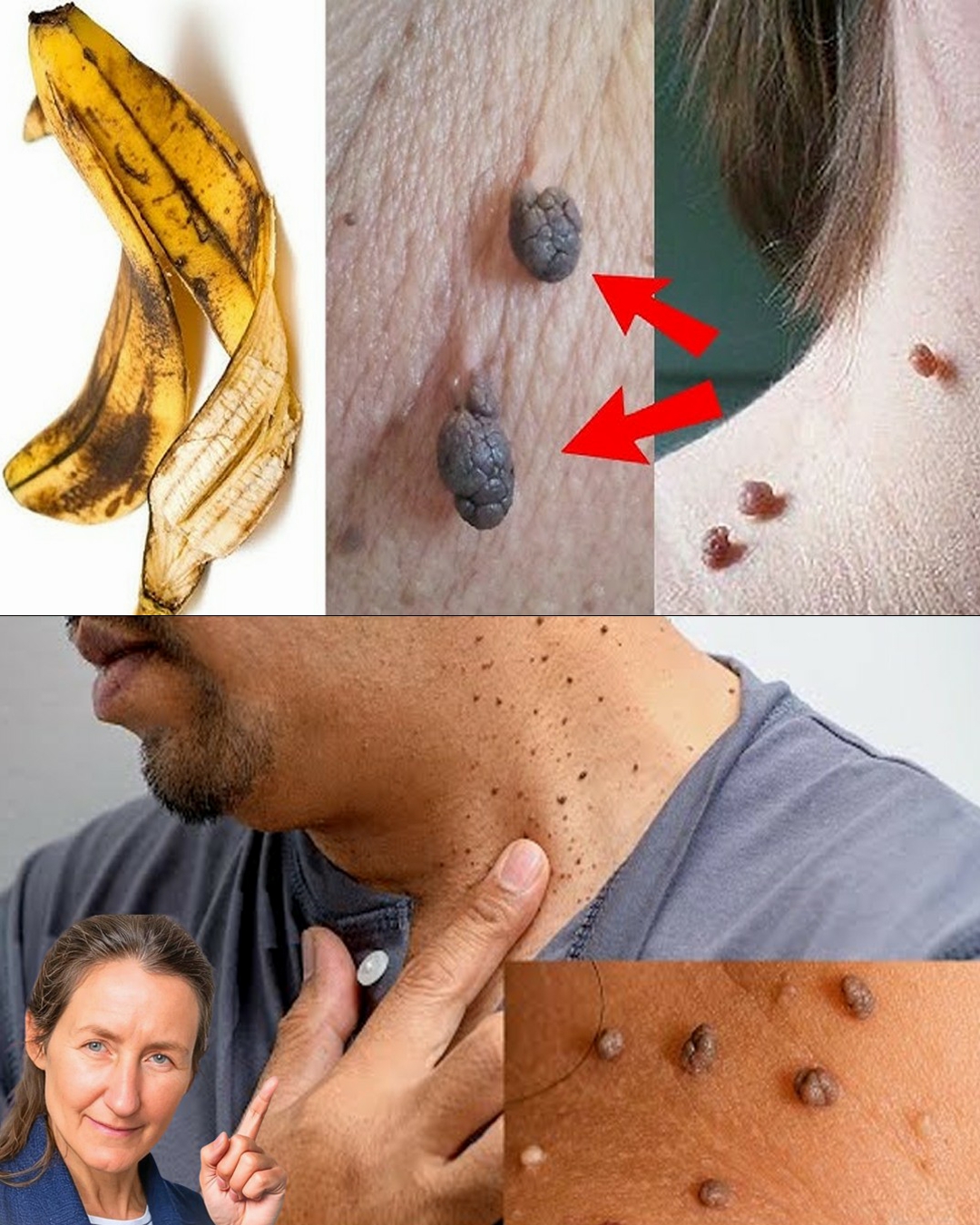
3. Banana Peel
Banana peel has enzymes and acids that are believed to help in removing skin tags.
How to Use:
.Cut a small piece of banana peel and place the inside part of the peel against the skin tag.
.Secure it with a bandage overnight and remove it in the morning. Repeat until the skin tag falls off.
4. Garlic
Garlic has anti-aging properties and can help improve skin appearance by drying out skin tags.
How to Use:
.Crush a fresh garlic clove to form a paste and apply it to the skin tag.
.Cover it with a bandage overnight and wash the area well in the morning.
.Repeat for a few nights until the skin tag shrinks and vanishes.
These home remedies can be highly effective for removing skin tags quickly and painlessly. However, it’s important to be patient and consistent with the application.
Always ensure the area is clean to avoid any infections. If you experience irritation or the skin tag does not improve, consider consulting a healthcare provider for further advice. Remember, while these remedies are generally safe, everyone’s skin reacts differently to various substances.


In a world where celebrity status often fades with time, and fame is devoured by the constant churn of new faces, one woman remains a luminous exception. At 62, she continues to defy expectations, not only through her ageless beauty but through the sheer force of her talent, charisma, and quiet elegance.
She is more than a screen icon — she is a living testament to the power of resilience, reinvention, and authenticity in a world obsessed with fleeting youth.
A Career Etched in Gold
Her career spans decades — from her breakthrough performance in a coming-of-age drama that catapulted her into international recognition, to her recent role as a conflicted matriarch in a critically acclaimed streaming series. Every role she has inhabited has carried her distinctive stamp: poise, depth, and an emotional truth that transcends language and culture.

Throughout her journey, she has won prestigious awards, graced the covers of international magazines, and earned standing ovations at Cannes, Venice, and Berlin. But even more impressive than her accolades is her enduring relevance.
In an industry that often sidelines women after a certain age, she has remained not just present, but powerful. She continues to land leading roles, command audiences, and shape conversations — all while doing so on her own terms.
Ageless, Not Timeless
Yes, she is beautiful. But not in the way the world typically defines beauty. Her face reflects not just symmetry and care, but stories — stories of perseverance, love, heartbreak, and triumph. She doesn’t chase youth; she embodies vitality. She has never publicly endorsed extreme diets or undergone excessive cosmetic procedures. Instead, she speaks of balance, sleep, hydration, reading, and laughter.
Her secret? There is none. She doesn’t pretend to have discovered some ancient elixir or miracle regimen. Instead, she embraces who she is — fully, freely, and fearlessly.
And perhaps that is the real reason she appears 20 years younger than her age: because she wears her years like jewels, not weights.
An Inspiration Beyond the Screen
Off-screen, she is equally compelling. She is an active philanthropist, dedicating time and resources to causes ranging from women’s education to mental health awareness. She speaks five languages, has published a memoir, and continues to champion diversity in the entertainment industry.
Her Instagram — carefully curated but never curated to death — includes snapshots from behind the scenes, nostalgic throwbacks, poetry quotes, and glimpses of quiet mornings in her garden. It’s not a branding tool. It’s a window into a soul that continues to grow, explore, and remain curious.
What sets her apart is not the absence of flaws, but the presence of grace — a kind of confidence that is not loud, but commanding. Her interviews are thoughtful, her red carpet appearances never overly theatrical, and her laugh — warm, genuine, contagious — has become one of her trademarks.
Defying More Than Just Age
To admire her is not merely to admire how she looks, but to admire what she represents. She challenges narrow definitions: of age, of success, of femininity, of relevance. She doesn’t try to compete with the younger generation — she mentors them. She doesn’t dwell on the past — she builds on it.
At 62, she is not a “former star.” She is a now star — just as she was at 32, 42, and 52. She is a moving target for those who seek to pigeonhole women into categories: too young to be taken seriously, too old to be desired, too ambitious to be liked, too calm to be powerful.
She is all of it. And none of it. Because she is entirely herself.
A Message That Resonates
Millions follow her not out of shallow idolization but because they see in her what they hope to see in themselves: the ability to remain relevant, radiant, and real — no matter what stage of life they are in.
She reminds us that elegance is not about effort; it is about truth. That youth is not only found in skin, but in spirit. And that the most powerful beauty of all is the kind that can’t be bought, injected, or airbrushed — the kind that is lived.


HURRICANE HAL’S TROPICAL WEATHER UPDATE
BREAKING NEWS: The National Hurricane Center (NHC) has begun posting advisories on Potential Tropical Cyclone Nine, which will likely become Tropical Storm Helene later today or tonight.
Big Picture: Tropical Storm Helene will likely form in the NW Caribbean later today or tonight, then strengthen to a hurricane as it approaches an area from the Florida Panhandle through West Central Florida on Thursday. Helene could intensify to a category 2 or 3 hurricane that will likely produce a large wind field, and inflict wind, storm surge and rainfall impacts to a broad area of Florida, Georgia and South Carolina.
In Detail:
1. The National Hurricane Center (NHC) forecasts an area of disorganized thunderstorms to become better organized and form a center of circulation in the NW Caribbean Sea later today or tonight. The storm would likely be named Helene, and is forecast to track through the Yucatan Channel, then become a hurricane in the Gulf of Mexico.
2. The general thinking in the models is that this storm would track to the north, then possibly northeast, with a broad area, from the Florida Panhandle to the West Central Florida Coast, in the crosshairs.
3. This storm is forecast to intensify quite rapidly, with the NHC best-track forecast predicting max winds to reach 110 mph in the northeastern Gulf of Mexico. This would place it near the threshold between cat 2 and cat 3 wind speeds.
4. Keep in mind that until a center of circulation develops, we should expect forecasts to have larger uncertainty than normal. Expect track changes to shift east and west, and intensity and timing forecasts to shift more than normal as well.
5. This storm is likely to produce a large wind field, especially east of the center of circulation. Large wind fields are a double-edge sword. On a positive note, they can slow down rapid intensification when conditions are prime for development. In other words, large hurricanes tend to intensify slower than small hurricanes, when surrounding environmental conditions are equal (besides the size). On a negative note, large hurricanes generate a broader wind field with more extensive wind impacts. They also push more storm surge flooding across longer stretches of coastline.
6. Keep in mind that all hurricanes generate broad wind fields, so residents should not focus on the exact “line tracks” in spaghetti models. Consider that such lines could represent the path of a hurricane eye, with a broad wind field surrounding it, especially to the right of the track.
7. Coastal residents should always prepare for one category higher than forecast, so right now, residents from the Florida Panhandle to West Central Florida need to take this storm seriously, and realize that cat-3 hurricane winds are a possibility in some communities near and just to the right of the eye passage.
8. This storm is also forecast to accelerate as it approaches the northeastern Gulf of Mexico, as well as through and after the time of landfall. This could mean that wind impacts inflict areas quite far inland, so residents in Georgia and even South Carolina should pay close attention for considerable inland wind impacts.
9. Storm surge inundation is always a threat from Florida’s Big Bend through the West Central Florida Coast because of the concave shape of the coastline and shallow water depth. We should expect a large and extensive storm surge in the region. Depending on the track, we could also see a secondary surge develop from NE Florida through Georgia and South Carolina.
10. Expect track and intensify forecasts to tighten up after a center of circulation forms, likely later today or tonight. Unfortunately, the time window from that happening through landfall may only be 60-72 hours, not giving residents much time to prepare. If you are in the impacted region, you should take this storm seriously, evaluate your disaster plan, and complete preparedness purchases soon. Impacted communities will likely see very full stores and gas lines on Tuesday, as people try to secure property and/ or leave on Wednesday.
Stay tuned for updates on this developing storm.
1. NHC Best Track Forecast for Potential Tropical Cyclone Nine
2. Probability of Tropical Storm Force Winds for Potential Tropical Cyclone Nine
3. Euro ensemble track map from Tropical Tidbits
4. GFS ensemble track map from Tropical Tidbits

For weeks, I watched camera footage and set traps, determined to catch the thief stealing from my small grocery store. I’d run the store for years, building strong relationships with loyal customers despite growing competition.
But lately, items kept disappearing from the shelves — more than just a few, and it was hurting my business. I knew I had to find the culprit.
One night, after installing an alarm system and deciding to stay late, I finally caught the thief in the act. To my shock, he was just a boy, no older than fourteen.
When I pulled back his hood, I was stunned — he had my daughter’s eyes. The thefts stopped immediately, but I couldn’t stop thinking about him and what this meant.
Curious and cautious, I followed the boy, Travis, to a small house where I met my daughter Alice, whom I hadn’t seen or heard from in years.
She explained she’d been struggling and was ashamed of how she’d disappeared, but Travis was her son. She never meant to hurt me, and the secret she’d hidden for so long finally came to light. What started as a hunt for a thief turned into a family reunion that healed years of pain.
Though Travis had stolen from me, his actions led me back to Alice and her son. We embraced, and I promised to help them both moving forward. My store’s loss became the beginning of rebuilding what was lost in my heart
But lately, items kept disappearing from the shelves — more than just a few, and it was hurting my business. I knew I had to find the culprit.
One night, after installing an alarm system and deciding to stay late, I finally caught the thief in the act. To my shock, he was just a boy, no older than fourteen.
When I pulled back his hood, I was stunned — he had my daughter’s eyes. The thefts stopped immediately, but I couldn’t stop thinking about him and what this meant.
Curious and cautious, I followed the boy, Travis, to a small house where I met my daughter Alice, whom I hadn’t seen or heard from in years.
She explained she’d been struggling and was ashamed of how she’d disappeared, but Travis was her son. She never meant to hurt me, and the secret she’d hidden for so long finally came to light. What started as a hunt for a thief turned into a family reunion that healed years of pain.
Though Travis had stolen from me, his actions led me back to Alice and her son. We embraced, and I promised to help them both moving forward. My store’s loss became the beginning of rebuilding what was lost in my heart

She started screaming as soon as she discovered the bizarre creature!Lujan Eroles, a 46-year-old woman from the Argentine town of Santa Fe, said she started screaming as soon as she discovered the bizarre creature. Immediately, the neighbors came to her to see what had happened.“I have never seen anything like it. It looked like a snake, but his eyes were strange. I was afraid it was poisonous,” she said.watch video below

“A lot of you noticed something a little special about a photo I posted a few days ago,” she wrote alongside a picture of her, Miles and Luna holding up signs with Simone Biles’ name on them from the games. “Luna, Miles and I celebrating Simone and Team USA. Miles had his arm up, and so many of you reached out to say the most beautiful and incredible words I have ever witnessed on this platform.”
“This post is to thank you so much for your kindness,” she replied in response. “It helps Miles so much to know so many other people are going through the same thing and he is not alone.”
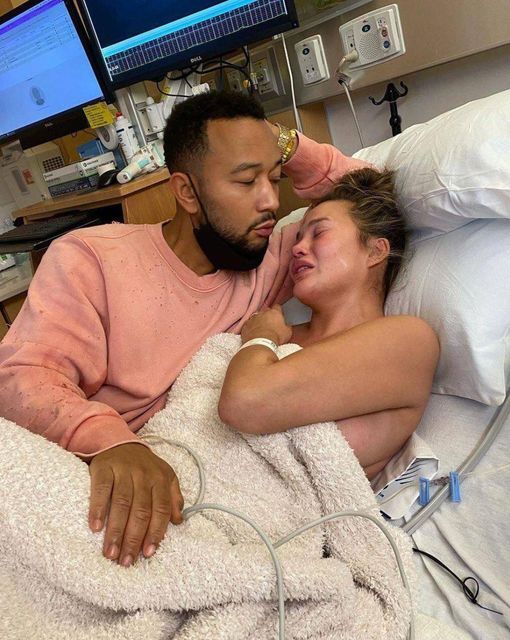
After sharing a picture of the book Year One With Type-1 and describing how she and Legend read it to their son, the Sports Illustrated model broke down in tears on social media.
“John and I read it to Miles last night, and I burst into tears at this page and had to leave the room so he couldn’t see me sobbing,” she penned. “He already has a deep love for the book. In any case, you are not alone! We also pledge to support you guys in the same way that you have supported us thus far.”
Teigen’s well-known acquaintances and supporters responded positively to her remarks.
Nick Jonas, who has had Type 1 diabetes since he was a young adolescent, expressed approval of the article. Teigen said on social media that she and her family met Jonas at the Olympics, and that he treated Miles really well.
“My two brothers have T1, love that book. @nickjonas does too, your son should go meet bad ass people, and see he’s not alone and can still accomplish anything. It’s scary but it becomes second nature and you guys will rock it,” the user wrote.
“Nick treated him so kindly!” she exclaimed to the commenter. “We were so lucky to run into him .”
In addition, Teigen and Legend are the parents of three children: Luna, age eight, Wren, age one; and Esti, age one. The pair made an appearance at the Olympic opening ceremony in Paris last week, along with their two eldest children.
“opening ceremonies! Sure, it was a little (a lot) rainy, but wowowowowow absolutely epic experience (and got to see a few of my favorite people!),” she captioned a post with a few photos.
In addition, Teigen posted the photo of herself, Miles, and Luna that she had posted with her post regarding Miles’ diagnosis on Sunday.
“This post is to thank you so much for your kindness,” she replied in response. “It helps Miles so much to know so many other people are going through the same thing and he is not alone.”
After sharing a picture of the book Year One With Type-1 and describing how she and Legend read it to their son, the Sports Illustrated model broke down in tears on social media.
“John and I read it to Miles last night, and I burst into tears at this page and had to leave the room so he couldn’t see me sobbing,” she penned. “He already has a deep love for the book. In any case, you are not alone! We also pledge to support you guys in the same way that you have supported us thus far.”
Teigen’s well-known acquaintances and supporters responded positively to her remarks.
Nick Jonas, who has had Type 1 diabetes since he was a young adolescent, expressed approval of the article. Teigen said on social media that she and her family met Jonas at the Olympics, and that he treated Miles really well.
“My two brothers have T1, love that book. @nickjonas does too, your son should go meet bad ass people, and see he’s not alone and can still accomplish anything. It’s scary but it becomes second nature and you guys will rock it,” the user wrote.
“Nick treated him so kindly!” she exclaimed to the commenter. “We were so lucky to run into him .”
In addition, Teigen and Legend are the parents of three children: Luna, age eight, Wren, age one; and Esti, age one. The pair made an appearance at the Olympic opening ceremony in Paris last week, along with their two eldest children.
“opening ceremonies! Sure, it was a little (a lot) rainy, but wowowowowow absolutely epic experience (and got to see a few of my favorite people!),” she captioned a post with a few photos.
In addition, Teigen posted the photo of herself, Miles, and Luna that she had posted with her post regarding Miles’ diagnosis on Sunday.

Why There’s Still Power in This Uncut Hee Haw Scene
A Moment in Time of Easier Times
Hee Haw was a family tradition as much as a television program. It united people with its blend of rural charm, catchy tunes, and country humor. An uncut scene from the show serves as a kind of time capsule, taking viewers back to a time when genuineness and group laughter were the norm for entertainment.
Cultural Importance and Memories
The scene’s unvarnished, unpolished feel is what makes it so memorable. In contrast to today’s polished programming, Hee Haw’s impromptu humor and genuine cast chemistry added something unique. Reminiscent of family evenings and communal happiness, signature pieces such as “Kornfield Jokes” and musical gags encapsulated the essence of rural American life.
Genuineness and Classic Appeal
Real people, spontaneous moments, and heartfelt yet approachable humor were all essential to Hee Haw’s success. Because it captures a period when television was about connection rather than perfection, an unedited scene still has a lot of impact. Those small pleasures always have a certain allure.
For the New Discoverers and the Veteran Fans
The legacy of Hee Haw endures, regardless of whether you were raised with it or are only now learning about it. It’s a celebration of Americana and a reminder of what made vintage television so memorable, and it goes beyond simple nostalgia.
Last Remark
This scene is more than just a brief video; it’s a gateway to priceless memories and eternal happiness. It encapsulates the enchantment of a time when television was genuine, passionate, and widely shared.

A Moment in Time of Easier Times
Hee Haw was a family tradition as much as a television program. It united people with its blend of rural charm, catchy tunes, and country humor. An uncut scene from the show serves as a kind of time capsule, taking viewers back to a time when genuineness and group laughter were the norm for entertainment.
Cultural Importance and Memories
The scene’s unvarnished, unpolished feel is what makes it so memorable. In contrast to today’s polished programming, Hee Haw’s impromptu humor and genuine cast chemistry added something unique. Reminiscent of family evenings and communal happiness, signature pieces such as “Kornfield Jokes” and musical gags encapsulated the essence of rural American life.
Genuineness and Classic Appeal
Real people, spontaneous moments, and heartfelt yet approachable humor were all essential to Hee Haw’s success. Because it captures a period when television was about connection rather than perfection, an unedited scene still has a lot of impact. Those small pleasures always have a certain allure.
For the New Discoverers and the Veteran Fans
The legacy of Hee Haw endures, regardless of whether you were raised with it or are only now learning about it. It’s a celebration of Americana and a reminder of what made vintage television so memorable, and it goes beyond simple nostalgia.
Last Remark
This scene is more than just a brief video; it’s a gateway to priceless memories and eternal happiness. It encapsulates the enchantment of a time when television was genuine, passionate, and widely shared.