Federal prosecutors have charged two men accused of using artificial intelligence to create sexually explicit deepfake images and videos depicting women without consent, including celebrities, politicians, musicians, and private citizens. The cases are among the first criminal prosecutions brought under the new Take It Down Act, legislation designed to combat deepfake pornography and non-consensual intimate content online.
The defendants, Cornelius Shannon, 51, of New Jersey, and Arturo Hernandez, 20, of Texas, were arrested after investigators alleged they separately created and distributed AI-generated sexual content that attracted millions of online views. Prosecutors stated that the two men do not appear to have worked together but allegedly engaged in similar conduct involving fabricated explicit material.
According to court filings, Shannon allegedly published hundreds of online collections of AI-generated pornography involving female public figures, including entertainers and political figures. Hernandez is accused of posting explicit deepfakes featuring both celebrities and private individuals, including recent high school graduates. Authorities argue that the material exploited victims by digitally creating sexually explicit depictions without consent.
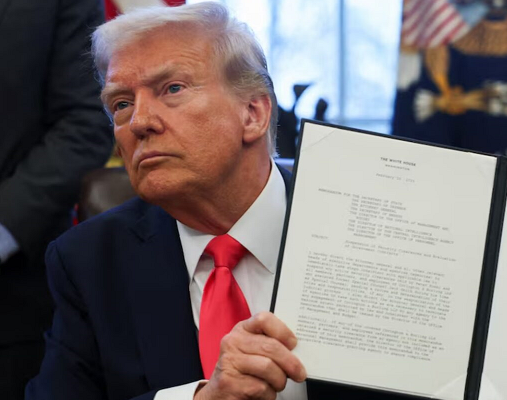
The law, signed by President Donald Trump and supported by First Lady Melania Trump, increases criminal penalties for distributing non-consensual intimate imagery, including AI-generated deepfakes and so-called “revenge porn.” The legislation received bipartisan backing from lawmakers such as Senator Ted Cruz and Senator Amy Klobuchar. Under the statute, defendants may face prison sentences of up to two years.
Federal prosecutors emphasized that deepfake pornography causes real harm and should not be treated as harmless digital misconduct. Officials said the cases demonstrate that AI-generated sexual exploitation has become a growing legal and social concern as technology becomes more advanced and accessible.
The prosecutions come amid wider scrutiny of AI misuse. In recent months, courts have seen cases involving AI-generated child sexual abuse material, explicit deepfake images created by teenagers targeting classmates, and lawsuits alleging AI tools converted real photographs of minors into sexualized content. Supporters of the law argue it gives victims stronger legal protections, faster removal mechanisms, and new tools for holding perpetrators accountable in an era of rapidly evolving artificial intelligence.
 Top Video Viral