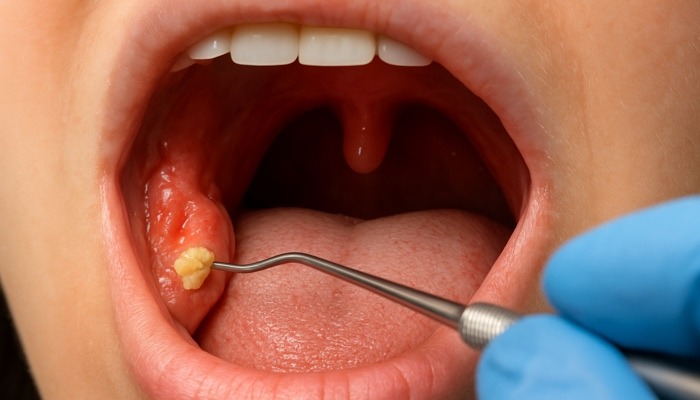
 What Are Those White Particles in the Throat That Can Affect Breath Quality?
Persistent breath concerns are more common than many people realize. While brushing, flossing, and mouthwash are often enough, some individuals notice that breath freshness does not improve despite good oral care. In such cases, the source may not be the teeth or gums, but an area further back in the throat.
One frequently overlooked factor is a condition known as tonsil stones, medically referred to as tonsilloliths. These formations can develop gradually and often go unnoticed, yet they may contribute to ongoing breath issues or throat discomfort.
Understanding what tonsil stones are, how they form, and how they can be managed safely can help individuals address the problem in a calm and informed way.
Understanding Tonsil Stones
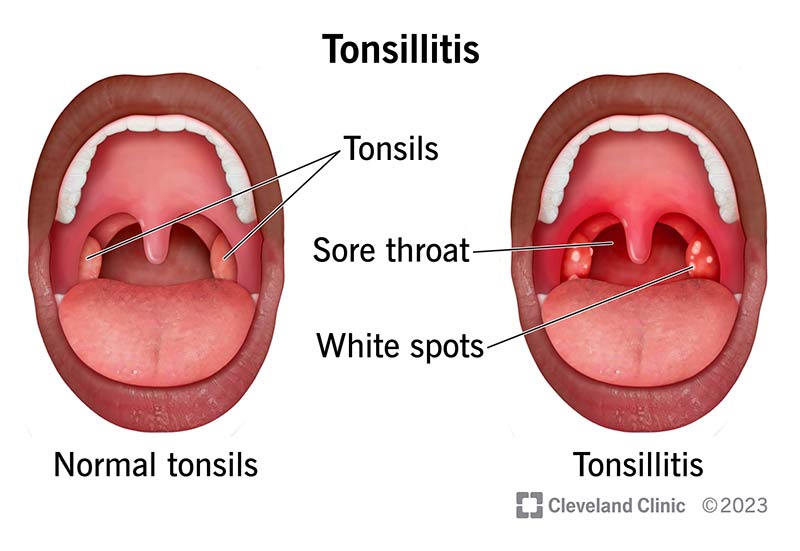
Tonsil stones are small accumulations of material that can develop within the tonsils. The tonsils are soft tissues located at the back of the throat and play an important role in immune defense. Unlike smooth surfaces, tonsils contain natural folds and small pockets called crypts.
These crypts can collect everyday materials such as:
Tiny food particles
Naturally shed cells from the mouth and throat
Mucus from the nasal passages
Common oral bacteria
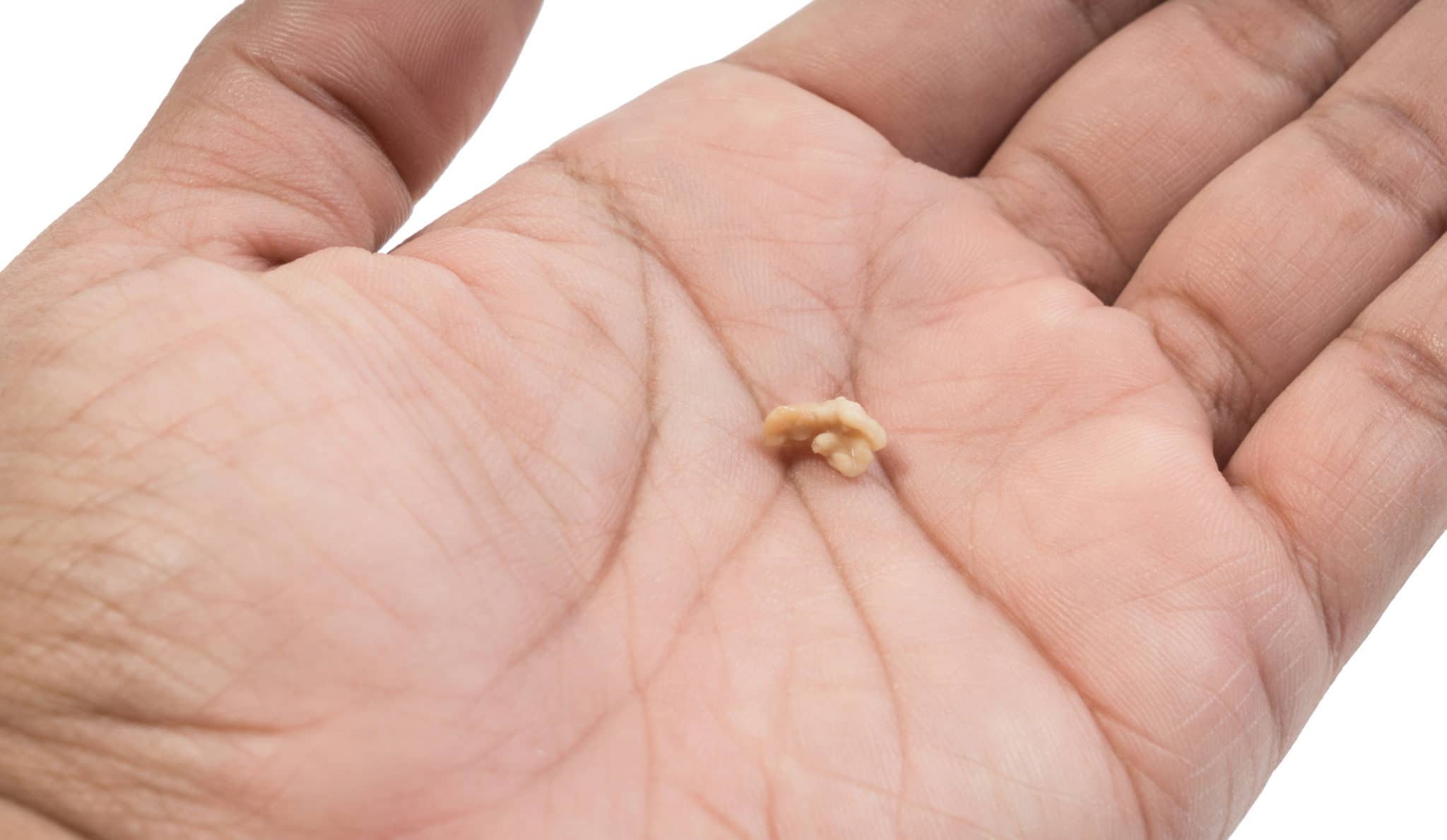
Over time, minerals present in saliva may cause this trapped material to harden into small, firm deposits. These are known as tonsil stones.
They can vary widely in size. Many are so small they are not visible or noticeable, and some people may have them without ever experiencing symptoms.
Why Tonsil Stones May Affect Breath
The connection between tonsil stones and breath quality relates to bacterial activity. Certain bacteria naturally produce sulfur-based compounds as they break down organic material. When this process occurs within tonsil crypts, these compounds may contribute to ongoing breath concerns.
Because tonsil stones are located deeper in the throat, standard oral care routines—such as brushing or using mouthwash—may not fully address the source. This explains why some individuals notice persistent issues even when maintaining good dental hygiene.
It is important to note that tonsil stones are not a reflection of poor cleanliness. Factors such as tonsil structure, saliva flow, and nasal health often play a much larger role.
Possible Signs and Symptoms
Not everyone with tonsil stones experiences noticeable symptoms. When symptoms do occur, they tend to develop gradually and may include:
Breath concerns that do not improve with routine oral care
An ongoing unusual taste in the mouth
A mild sensation of fullness in the throat
Frequent throat clearing
Minor throat irritation
Light-colored spots visible on the tonsils
In some cases, people may also notice mild ear discomfort due to shared nerve pathways in the throat and ear region.
Who Is More Likely to Experience Tonsil Stones?
Tonsil stones can occur at any age, but certain factors increase the likelihood of their formation, including:
Naturally large or deeply folded tonsils
A history of frequent throat infections
Post-nasal drip related to allergies or sinus conditions
Chronic nasal congestion
Dry mouth or low saliva production
They are more commonly reported among teenagers and young adults, though they are not limited to these age groups.
Are Tonsil Stones a Health Risk?
In most cases, tonsil stones are considered harmless. They are not classified as a serious medical condition and rarely lead to complications. However, they can impact comfort and confidence, particularly when breath quality is affected.
Medical evaluation is recommended if symptoms such as persistent pain, swelling, bleeding, or noticeable asymmetry of the tonsils occur. These signs should always be assessed by a healthcare professional.
Gentle At-Home Care Options

Mild cases of tonsil stones can often be managed with simple, gentle routines. Aggressive or forceful attempts to remove material from the tonsils should be avoided, as the tissue is delicate.
If a stone is clearly visible and easy to access, some people choose gentle approaches such as:
Using a clean cotton swab with minimal pressure
Rinsing with a low-pressure oral irrigator
Gargling with warm salt water afterward to soothe the throat
Any method should be done carefully to avoid irritation.
Daily Habits That May Help Reduce Formation
Prevention focuses on limiting the buildup of debris and supporting overall throat and oral health. Helpful daily practices include:
Gargling with warm salt water once or twice a day
Staying well hydrated
Gently cleaning the tongue
Using alcohol-free mouth rinses
Managing nasal congestion or allergy symptoms
Many people notice improvement after maintaining these habits consistently for several weeks.
The Importance of Nasal and Sinus Health
Post-nasal drip is a common contributor to tonsil stone formation. When mucus continuously flows down the back of the throat, it increases the material that can collect in tonsil crypts.
Addressing nasal health—through saline rinses, allergy management, or professional care when needed—can significantly reduce recurrence over time.
When to Seek Professional Advice
Professional medical or dental evaluation may be helpful if:
Tonsil stones recur frequently
Symptoms cause ongoing discomfort
There is persistent swelling or irritation
At-home care does not provide relief
Healthcare providers can assess underlying factors and recommend appropriate management options.
Clearing Up Common Misunderstandings
There are several common misconceptions about tonsil stones:
They are not caused solely by poor oral hygiene
They are not contagious
They are rarely associated with serious illness
Understanding these facts can reduce unnecessary concern and help individuals focus on practical, safe solutions.
A Balanced Long-Term View
For many people, tonsil stones are an occasional issue that can be managed with simple daily care. Others may need to address contributing factors such as dry mouth or sinus conditions to see lasting improvement.
With awareness, gentle habits, and appropriate support when needed, most individuals are able to manage tonsil stones effectively and maintain comfort and confidence.
 Top Video Viral