Cleaning an oven is one of those household chores that almost everyone postpones. With baked-on grease, splattered sauces, and lingering odors, the task can quickly feel overwhelming.
Many homeowners resort to store-bought oven cleaners, which often contain harsh chemicals like sodium hydroxide or ammonia.
These products are effective but can be intimidating: they require gloves, proper ventilation, and a fair amount of scrubbing. Additionally, strong fumes may be unsafe for children, pets, or anyone with respiratory sensitivities.
Fortunately, there’s a gentle, effective alternative that has been passed down through households for generations. Sometimes referred to as “Nana’s trick,” this approach uses common kitchen items—water, a dishwashing pod, and an oven-safe dish—to clean your oven efficiently without harsh chemicals.
By relying on the natural combination of steam and mild cleaning agents, this method softens grease and baked-on food, allowing you to clean your oven with minimal effort.
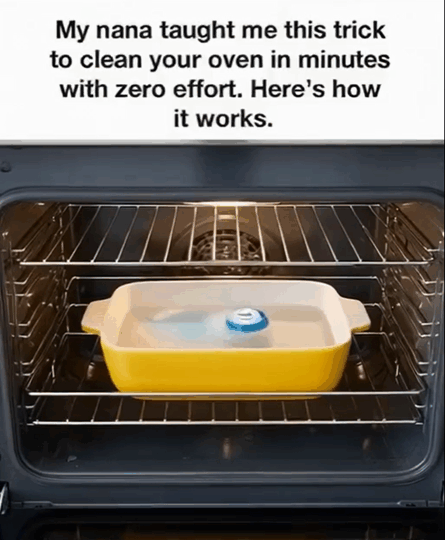
In this guide, we’ll explore why this technique works, provide a step-by-step walkthrough, offer tips for stubborn grime, and explain how regular maintenance can extend the life and performance of your oven.
Why Traditional Oven Cleaning Can Be Challenging
Ovens are designed to withstand high heat, but that same heat contributes to the accumulation of stubborn residues. Common challenges include:
Baked-on grease: Even a small splatter can solidify into a hard layer that sticks to oven walls.
Food residue: Drippings, sauces, and crumbs can carbonize under repeated cooking cycles.
Unpleasant odors: Burnt-on oils and food fragments can release odors over time, affecting the flavor of meals.
Chemical exposure: Conventional cleaners are effective but contain aggressive chemicals that require caution.
These challenges make oven cleaning an activity many people dread. However, understanding the science behind gentle cleaning can make the task less daunting.
How Steam and Dishwashing Pods Work Together
The core principle behind this method is steam-assisted cleaning. Here’s why it’s effective:
Steam loosens grime: Water heated to around 200°F (93°C) generates steam, which penetrates and softens baked-on grease and food residue.
Mild surfactants in dish pods: Standard dishwashing pods contain small amounts of detergents and enzymes that break down grease. When combined with heat and moisture, these ingredients gently lift grime without damaging the oven surfaces.
Minimal scrubbing required: Once the residue is softened by steam, wiping the oven walls, racks, and door requires significantly less effort, reducing strain on your hands and wrists.
Odor reduction: Steam helps loosen trapped odors, while the mild detergents neutralize lingering smells.
Unlike harsh chemical cleaners, this method is non-toxic, safe for homes with children or pets, and environmentally friendly.
Step-by-Step Guide to Gentle Oven Cleaning
Materials Needed
Before you begin, gather the following items:
Heatproof casserole dish or similar oven-safe container
Water
Standard dishwashing pod (the kind used for automatic dishwashers)
Damp cloth or sponge
Soft brush (optional, for stubborn spots)
Oven mitts or heat-resistant gloves Safety tip: Never use plastic containers, aluminum foil, or non-oven-safe cookware for this method. Always exercise caution when handling hot items.
Step 1: Preheat the Oven
Set your oven to low heat, around 200°F (93°C).
This temperature is high enough to generate steam but low enough to prevent damage or excessive smoke.
While the oven warms, you can prepare your cleaning solution.
Step 2: Prepare the Steam-Cleaning Solution
Fill your heatproof casserole dish with enough water to cover the bottom by about 1–2 inches.
Place a dishwashing pod into the water. It will gradually dissolve and release mild cleaning agents as the water heats.
Stir gently if needed, using an oven-safe utensil to ensure the pod dissolves evenly. Tip: Use hot tap water to speed up the steaming process.
Step 3: Position the Dish in the Oven
Once the oven reaches the target temperature, carefully place the dish on the middle rack.
Close the oven door and let the mixture heat for approximately 60 minutes.
During this time, the water will produce steam, which penetrates baked-on grease and food residue. Caution: Avoid opening the oven frequently, as this releases steam and reduces effectiveness.
Step 4: Turn Off the Oven and Let It Cool
After an hour, turn off the oven and allow it to cool sufficiently before handling.
The cooling period ensures that steam has softened the grime, but the oven is safe to touch. Safety tip: Use oven mitts when handling hot racks or dishes. Even if the oven feels warm, direct contact with hot metal can cause burns.
Step 5: Wipe Down Oven Surfaces
Open the oven door carefully. You should notice that much of the baked-on residue has softened.
Use a damp cloth or sponge to wipe down the oven walls, racks, and door.
For stubborn areas, a soft-bristled brush can help remove remaining residue without scratching surfaces. Pro tip: If certain spots remain difficult, you can repeat the steaming process for another 30–60 minutes. Multiple gentle cycles are safer than aggressive scrubbing.
Step 6: Clean Oven Racks Separately (Optional)
Remove oven racks and soak them in hot water with a dishwashing pod in the sink or bathtub.
After soaking for 30–60 minutes, wipe off softened grime with a sponge or brush.
Dry the racks completely before returning them to the oven.
Step 7: Final Touches for a Fresh Oven
Rub a lemon wedge or mild citrus cleaner on the interior surfaces for extra deodorizing.
Wipe with a clean, damp cloth to remove any remaining residue.
Leave the oven door open for a few minutes to allow residual moisture to evaporate. Benefit: This prevents any remaining dampness from contributing to odors or corrosion.
Why This Method is Preferable to Self-Clean Cycles
Many modern ovens have high-temperature self-cleaning functions, but these cycles:
Use intense heat (often 900°F / 482°C or higher), which can produce smoke and fumes.
Require the oven to be empty and can be stressful on older appliances.
May release unpleasant odors and smoke that can trigger alarms or irritate sensitive lungs.
Consume significant energy compared to a low-temperature steam method.
The gentle steam-and-pod method avoids these issues while still achieving effective cleaning, making it ideal for homes with children, pets, or people sensitive to fumes.
Additional Tips for Maintaining a Clean Oven
Regular maintenance can minimize the need for intensive cleaning:
Wipe spills immediately: Even small spills can bake onto the oven surface if left for long periods.
Line the bottom tray: Use a silicone or aluminum oven liner to catch drips. These liners are easy to clean or replace.
Use a splatter guard: When broiling or roasting fatty foods, cover dishes with a lid or foil to reduce grease splatter.
Perform monthly steam cleanings: Running the gentle steam-and-pod method once a month prevents heavy buildup.
Check the oven door gasket: Ensure it’s clean and intact, as grease buildup can compromise the seal.
Benefits of the Gentle Steam-and-Pod Method
Minimal effort required: Steam loosens grime before you start wiping.
Affordable: Uses items already in most kitchens.
Environmentally friendly: Avoids harsh chemicals, reducing water and air pollution.
Safe for sensitive households: Non-toxic ingredients mean children and pets are not at risk.
Improves oven performance: Clean surfaces reflect heat more evenly, promoting better cooking results.
Odor control: Prevents lingering burnt-food smells from affecting future dishes.
Safety Precautions
While this method is safer than chemical cleaners, it’s still important to follow basic safety measures:
Never leave the oven unattended for long periods while preheating or steaming.
Use oven-safe dishes only; avoid plastics or glass not rated for heat.
Keep children and pets away from the oven while hot steam is present.
Handle hot water carefully to avoid burns.
By adhering to these precautions, you ensure a safe, effective cleaning process without risking injury or damage.
Conclusion
Oven cleaning doesn’t have to be stressful, chemical-laden, or physically exhausting. By combining steam, mild dishwashing agents, and a few simple tools, you can achieve a clean, fresh, and hygienic oven with minimal effort.
Regular application of this method prevents heavy buildup, reduces odors, and maintains your oven’s efficiency over time.
The next time your oven needs attention, try the gentle steam-and-pod method. It’s:
Easy to implement
Safe for all households
Effective in loosening grease and grime
Affordable and environmentally conscious
With a little steam, patience, and a few everyday kitchen items, you can keep your oven spotless, reduce cleaning stress, and enjoy a fresh, efficient cooking environment. Turn this task into a low-effort, high-reward routine that fits easily into your home care schedule.
 Top Video Viral