Being a dad means protecting, providing, and making sure your kids feel safe. But what happens when the system you rely on fails?
Phillip Herron’s story isn’t just heartbreaking — it’s a shocking reminder of what can happen when a struggling parent is left alone with debt, anxiety, and silence from those who were supposed to help.
A source of hardship
Phillip Herron, a factory worker and devoted single father of three from Durham, England, had just $6 in his bank account when he took his own life in 2019.
He was only 34 years old.
The reason? He was forced to wait weeks for his first Universal Credit payment — a wait that proved too long, too cruel, and too devastating.
Universal Credit is a UK government welfare program designed to replace six older benefits with a single monthly payment. It’s meant to simplify the welfare system and encourage people to find work. But for many, it’s become a source of hardship.
Like so many others struggling to make ends meet, Phillip Herron was drowning in debt when he quietly applied for Universal Credit — never telling his family just how bad things had gotten.
The 34-year-old father was out of work and barely managing to feed or dress his kids. He was falling behind on rent and buried under nearly $25,000 in debt —including payday loans charging outrageous interest rates of over 1,000%.
”The final straw”
Like countless others, turned to the UK’s Universal Credit system for help. What he got instead was silence, delays, and mounting debt.
Universal Credit, rolled out by the UK government in 2013, was pitched as a streamlined benefits system. But behind the political promises is a darker reality. New claimants must wait five weeks — at minimum — before receiving any money. For those already in crisis, it’s a deadly delay.
“When people ask for help, they’re already desperate,” Philip’s mother, Sheena Derbyshire said. “Making them wait this long? It’s dangerous.”
For Philip, the waiting and pressure became too much to bear.
“There’s no reason it should take so long. Phillip already had problems but I think this was the final straw,” Sheena said.
A total shock for his family
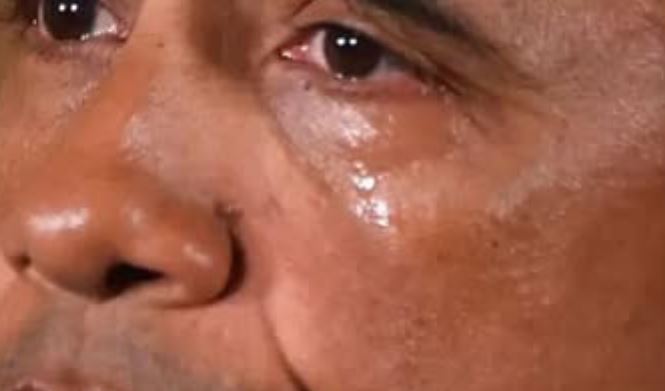
Just hours before his death, Phillip posted a heartbreaking selfie of himself in tears from inside his car. Alongside it, a goodbye note.
The next day, on a quiet country road, he ended his life.
His mother, Sheena Derbyshire, was blindsided. “It was a total shock,” she told the Daily Mirror. “We had no idea how bad things had gotten. In his note, he wrote that the family would be better off without him. That broke me.”
After his death, Sheena discovered the whole truth: Phillip was drowning in debts to banks and utility companies. His home was on the brink of repossession. An eviction notice was buried in his paperwork.
Sheena combed through his emails and voice notes. The voice messages were especially brutal. “Listening to them,” she said, “was the most heartbreaking thing I’ve ever done.”
His children were also shattered. ”The youngest keeps dreaming about him,” Sheena said softly. “She said she saw him. She begged him not to go. But when she woke up, he was gone.”
None of the children received therapy, according to Sheena.
The public outcry has also been fierce. Social media exploded with grief and rage when the tragic story of Philip became known. One post summed it up: “Now another dead on their blood-soaked hands.” Another read: “You should hang your head in shame,” aimed at the Department for Work and Pensions.
Why she speaks about it
Sheena believes that speaking out about her son’s suicide and its devastating impact on their family could help others who might be struggling in silence.
She said: “You don’t just go out one day and take your own life. There’s a build-up.
“So please, please talk to someone. Don’t let another family go through this. If you can’t talk to family or friends, there are people like Samaritans.”
Back in 2019, Sheena hoped the evidence she found would be used in a full inquest into Phillip’s death in Sacriston, Co Durham, and reveal the flaws of Universal Credit. However, it was unclear if she received any justice in the case.
In response to the tragedy, a spokesperson for the Department for Work and Pensions stated: “Our thoughts are with Mr. Herron’s family.
“Suicide is a very complex issue, so it would be wrong to link it solely to someone’s benefit claim.
“We are committed to safeguarding vulnerable claimants and keep guidance under constant review to provide the highest standard of protection.”
Not an isolated story
Sadly, Phillip’s story is not isolated. His death is just one of many that is being link to UK’s Universal Credit system, according to WSWS.org.
In 2019, Stephen Smith, a chronically ill man weighing only six stone, was declared “fit to work” and died shortly after.
The same year, Joy Worrall, an 81-year-old retiree, tragically took her own life by jumping into a quarry after the Department for Work and Pensions (DWP) froze her pension benefits, leaving her with only $6 to her name.
The inquest revealed that she was “too proud” to share her financial struggles with her family, choosing to live off her savings. When those savings ran out, and she was down to just $6, she took the heartbreaking decision to jump into a 40-foot quarry. And Martin John Counter, 60, took his own life after being wrongly accused of benefit fraud.
Phillip’s final months paint a portrait of a man doing everything he could to hold on— for his children, for his sanity, for a life that was being pulled out from under him.
Sadly, he felt that the bureaucracy ignored him, and it became fatal. Finally, his devastated mother, Sheena, has a plea for the British authorities:
“If this doesn’t change,” she said, “he won’t be the last.”

Barron Trump has been rumored to have a girlfriend. While there has been no confirmation, lately, it was reported that he shut down an entire floor of Trump Tower in New York City for a date.
However, on Fox News, a completely different topic was discussed. A creepy conversation between host Jesse Watters and Julie Banderas spun out of control, as they discussed whether the 19-year-old had sex on his date or not.
Barron Trump has begun his sophomore year at Stern Business School. The youngest son of Donald Trump has moved back to the White House, as he is now studying at NYU’s DC Campus. Earlier this year, he was rumored to have had a girlfriend.
Not much is known about Barron’s private life, and to be honest, perhaps that is what is best for him. If not, he should be allowed to choose what to share with the world, as he is still being protected from scrutiny by his mother, Melania.
As of late, not much has been reported about Barron, but in late September, Page Six reported that he had a date at Trump Tower. However, the date was quite special, as it also highlighted the tight security surrounding the president’s youngest son.
Page Six reported that the Secret Service decided to cancel the entire floor because of Barron’s date, but while one might believe that would’ve been the only news coming out of that happening, it wasn’t.
Fox News host shares creepy speculation whether Barron Trump had sex on his date
On September 30th, Fox News hosts Jesse Watters and Julie Banderas discussed Barron Trump’s dating life live on Jesse Watters Primetime. But instead, what followed was a creepy conversation about whether the 19-year-old had sex on his date or not.
“He brought her back to Trump Tower. He shut the whole floor down at Trump Tower just so he could be alone,” Watters said, continuing with a comment on a quote in the Page Six article. “One of his classmates said this, ‘He’s tall and awkward, but he was the thing, the guy. He had a lot of girls running after him.”
“Another said, ‘He’s a ladies’ man, for sure. He’s really popular with the ladies. He’s tall and handsome. A lot of people seem to think he’s pretty attractive,’” Watters added.
The Fox host then continued by speculating about what happened at Trump Tower, “Imagine a guy brings you back to Trump Tower and the whole floor is shut down,”.
Banderas responded, “If the guy’s a Trump, then I would believe it. Man, this guy’s got game. I mean, 6-foot-7, and he’s got a whole floor at Trump Tower for a freaking date. I hope something good came out of that date for him,” she added. “I mean, I’m not gonna say what.”
“The Trump cookie”
“Something not too good,” Watters continued and laughed. “He needs to wait.”
“Like, dessert. Homemade dessert,” Banderas replied, to which Watters concurred, “The Trump cookie.”
What do you think about this? Please give us your opinion in the comment section on Facebook.
When a man scratches the palm of a woman’s hand, it can carry different meanings depending on context.
But in many cultures, especially in subtle body language or flirting cues, this gesture often implies se-x-ual interest or attraction.
That said, the woman’s response should always be based on her own comfort, instincts, and boundaries.
Ladies, here’s what you can do, depending on how you feel:
✅ If You Are Comfortable or Interested:
Smile or respond warmly: This shows you welcome the gesture.
Maintain hand contact or mirror the gesture: Lightly touching his hand back can signal mutual interest.
Engage further: Continue the conversation or playfully ask, “What does that mean?”
❌ If You Feel Uncomfortable or Offended:
Pull your hand away: A simple but clear physical boundary.
Use direct words: For example, “Please don’t do that,” or “That made me uncomfortable.”
Change the topic or leave the interaction if it feels inappropriate or makes you uneasy.
❓ If You Are Unsure:
Ask him directly: “Why did you do that?” or “Does that mean something?”
Watch his body language and tone: Is he being playful, serious, or inappropriate?
Trust your gut feeling: If something feels off, it probably is.
⚠️ Important Reminder:
A woman is never obligated to respond positively to physical gestures that make her uncomfortable. Setting boundaries is not rude—it’s self-respect.
But in many cultures, especially in subtle body language or flirting cues, this gesture often implies se-x-ual interest or attraction.
That said, the woman’s response should always be based on her own comfort, instincts, and boundaries.
Ladies, here’s what you can do, depending on how you feel:
✅ If You Are Comfortable or Interested:
Smile or respond warmly: This shows you welcome the gesture.
Maintain hand contact or mirror the gesture: Lightly touching his hand back can signal mutual interest.
Engage further: Continue the conversation or playfully ask, “What does that mean?”
❌ If You Feel Uncomfortable or Offended:
Pull your hand away: A simple but clear physical boundary.
Use direct words: For example, “Please don’t do that,” or “That made me uncomfortable.”
Change the topic or leave the interaction if it feels inappropriate or makes you uneasy.
❓ If You Are Unsure:
Ask him directly: “Why did you do that?” or “Does that mean something?”
Watch his body language and tone: Is he being playful, serious, or inappropriate?
Trust your gut feeling: If something feels off, it probably is.
⚠️ Important Reminder:
A woman is never obligated to respond positively to physical gestures that make her uncomfortable. Setting boundaries is not rude—it’s self-respect.

…a sight that would haunt the officer for years to come. Inside the coffin was not the expected somber visage of a deceased loved one, but rather a woman, very much alive, her eyes wide with terror and her hands bound tightly with duct tape. Her mouth was gagged, muffling her cries for help as she struggled against her restraints.
The officer’s heart pounded in his chest, a mixture of shock, horror, and fury surging through his veins. It took him a moment to process the scene in front of him. This was no mishap or simple misunderstanding. This was a kidnapping, and the hearse was being used as a twisted disguise to transport the victim without arousing suspicion. The officer quickly reached for his radio, his voice steady despite the adrenaline coursing through him.
“Unit 45, requesting immediate backup. I have a 10-33, hostage situation, Highway 7. Dispatch an ambulance and additional units ASAP.”
The driver, who had been attempting to fabricate a story just moments before, now stood frozen, his earlier arrogance replaced by an expression of sheer panic. He made a feeble attempt to flee, but the officer swiftly intercepted him, pinning him to the ground and securing him in handcuffs. The officer’s training kicked in as he began reciting the Miranda rights, his voice firm and unyielding.
“You have the right to remain silent. Anything you say can and will be used against you in a court of law…”
As the police officer continued, he couldn’t help but steal a glance back at the hearse, where the woman’s eyes were filled with gratitude and relief. He moved swiftly to free her, gently removing the gag and tape that bound her, ensuring she was unharmed. She was shaken but largely unscathed, and as the officer reassured her that she was safe now, her cries of fear turned into sobs of relief.
Moments later, the wail of sirens filled the air as backup arrived, officers swarming the scene to secure the area and ensure the safety of everyone involved. Paramedics rushed to attend to the woman, offering her comfort and medical attention. The officer, now slightly relieved, briefed his colleagues on the situation, his mind still racing with disbelief over the discovery.
The driver was taken into custody, his future now a matter for the courts to decide. As the officer watched him being led away, he couldn’t help but reflect on the day’s events. What had started as a routine patrol had turned into a life-saving intervention, a stark reminder of the unpredictability and danger that came with wearing the badge.
The hearse was impounded, its morbid disguise exposed, and as dusk began to settle, the officer took a moment to gather himself. The weight of what could have been bore heavily on him, but he knew he had done his duty, and in doing so, had saved a life. As he returned to his patrol car, he hoped that this would serve as a grim reminder to remain vigilant and never take anything at face value.
Princess Anne is reportedly raising eyebrows with candid remarks about Meghan Markle.
While acknowledging Meghan’s intelligence and charm,
Anne is said to have questioned her true intentions, warning,
“There’s a difference between using your voice and using the Crown.”
The alleged comments have sparked intense online debate.
Supporters of Anne admire her quiet dedication to royal duty,
saying she has every right to question those who step into the spotlight while stepping away from responsibility.
Critics, however, view her stance as old-fashioned and out of touch.
Despite her concerns, Anne reportedly urged the family to avoid public clashes, reminding them,
“We handle things privately.
” The palace has neither confirmed nor denied the leak, and Meghan has remained silent.
Still, insiders say Anne’s words reflect growing frustration within the royal family over how
Harry and Meghan have handled life after stepping down.
As the monarchy evolves under King Charles III,
Anne’s voice stands as a reminder of the generational divide—
and the challenges still unfolding behind palace doors.
While acknowledging Meghan’s intelligence and charm,
Anne is said to have questioned her true intentions, warning,
“There’s a difference between using your voice and using the Crown.”
The alleged comments have sparked intense online debate.
Supporters of Anne admire her quiet dedication to royal duty,
saying she has every right to question those who step into the spotlight while stepping away from responsibility.
Critics, however, view her stance as old-fashioned and out of touch.
Despite her concerns, Anne reportedly urged the family to avoid public clashes, reminding them,
“We handle things privately.
” The palace has neither confirmed nor denied the leak, and Meghan has remained silent.
Still, insiders say Anne’s words reflect growing frustration within the royal family over how
Harry and Meghan have handled life after stepping down.
As the monarchy evolves under King Charles III,
Anne’s voice stands as a reminder of the generational divide—
and the challenges still unfolding behind palace doors.

Fire Alarm at Russia’s Ministry of Foreign Affairs Building on January 6, 2023: What Really Happened?
On January 6, 2023, Moscow witnessed a brief yet widely discussed incident when a fire alarm sounded at the Ministry of Foreign Affairs building. The skyscraper, one of the city’s most iconic Stalinist-era “Seven Sisters,” briefly became the center of public attention after emergency services rushed to the scene. Fortunately, no significant fire was detected, and the event ended without injuries or damage.
Even though the incident was relatively minor, it sparked interest due to the building’s symbolic value. As the headquarters of Russian diplomacy, the Ministry of Foreign Affairs (MFA) plays a central role in the country’s international relations, making any news connected to it headline-worthy.

The Incident
The alarm was traced to a technical room in the basement of the skyscraper. According to initial reports from emergency services, the likely cause was a short circuit in the electrical system. Firefighters were dispatched immediately, and the situation was declared safe within a short time.
Importantly, there was no actual fire outbreak in office areas or upper floors, and the alarm did not disrupt the building’s daily operations. Staff and officials inside the ministry were not evacuated on a large scale, though security protocols were followed as a precaution.
Symbolism of the MFA Building
The Ministry of Foreign Affairs building in Moscow is one of the most recognizable skyscrapers in Russia. Completed in the early 1950s, it stands as part of the “Seven Sisters”, a group of neo-Gothic, Stalinist high-rises that still dominate Moscow’s skyline. Rising more than 170 meters, it serves both as an administrative hub and as a national landmark symbolizing Soviet architectural ambition.
Because of its status, any disturbance—even a small technical glitch—attracts disproportionate media coverage. The building is more than just an office; it represents Russia’s global presence. This explains why a relatively contained fire alarm turned into an international news item.
Public Reaction and Media Coverage
Almost immediately after the alarm, social media users posted rumors claiming the building was on fire. Some exaggerated images circulated online, creating confusion. However, Russian emergency services clarified that the situation was minor and under control.
Several Russian news outlets published short updates, noting that the cause was electrical and that no one was injured. For many, the event became a reminder of how quickly misinformation spreads, especially when dramatic visuals are attached.
Broader Context
While this January 2023 alarm did not result in damage, it raises broader concerns about the maintenance of older Soviet-era infrastructure. Many of Moscow’s iconic buildings, including the Seven Sisters, rely on complex electrical systems that need regular upgrades.
Short circuits remain one of the leading causes of building fires worldwide, particularly in high-rise constructions. The swift response of firefighters and the building’s safety systems show that preparedness remains high, minimizing risks to both people and property.
Why It Matters
This small event carries larger implications:
Building Safety: Ensuring electrical stability in historical government buildings is essential to prevent accidents.
Crisis Communication: Authorities must provide timely, transparent updates to counter misinformation.
Symbolism: When landmarks tied to national identity experience problems, the story naturally attracts global attention.
Conclusion
The January 6, 2023 fire alarm at Russia’s Ministry of Foreign Affairs building may have been a minor technical incident, but it highlighted key themes of safety, communication, and symbolism. The likely short circuit in a basement room was swiftly managed, no injuries occurred, and normal operations continued.
Yet, the quick spread of exaggerated claims online shows how even a small spark—literal or metaphorical—can ignite international conversation when it involves a building of such importance.
The MFA skyscraper continues to stand tall as a pillar of Moscow’s skyline and Russian diplomacy, reminding us that sometimes the real story is not the fire itself, but how we respond to the alarm.
When Calm Turns to Crisis: The Alaska Airlines Flight 2221 Incident
What starts as an ordinary flight can quickly spiral into an emergency beyond anyone’s expectations. Passengers boarding Alaska Airlines Flight 2221 from Oakland to Portland were preparing for a routine journey when a sudden mental health crisis onboard transformed the flight into a tense ordeal at cruising altitude.
Shortly after takeoff, a male passenger experienced a severe psychotic episode, becoming aggressive and attacking other travelers. Panic swept through the cabin as passengers and crew faced an unexpected threat far above the ground.
Thanks to the swift and composed response of the flight attendants and several quick-thinking passengers, the man was subdued using seatbelt extenders as makeshift restraints. This decisive intervention prevented injuries and allowed the crew to restore order.
Upon landing in Portland, local authorities promptly took custody of the individual for a mental health evaluation. Despite the turmoil, the incident concluded without physical harm to any passengers or crew.
Key Takeaways
This event highlights the essential role of well-trained airline personnel and the importance of calm, immediate action when emergencies arise. It also illustrates how passenger vigilance and cooperation can be critical in maintaining safety onboard.
More broadly, the incident serves as a reminder of the complex challenges airlines face, including managing sudden mental health crises mid-flight. It underscores the importance of mental health awareness and preparedness to handle situations that go beyond the typical scope of in-flight emergencies.
Final Reflection
Alaska Airlines Flight 2221 was meant to be a simple domestic trip but quickly became a test of resilience, teamwork, and emergency readiness.
The quick containment of the situation prevented potential tragedy and reassured passengers that safety protocols, combined with human courage and presence of mind, can save lives even at 30,000 feet.
As we consider the unpredictable nature of such events, this flight stands as a powerful example of why preparedness and compassion are indispensable in the skies.
What starts as an ordinary flight can quickly spiral into an emergency beyond anyone’s expectations. Passengers boarding Alaska Airlines Flight 2221 from Oakland to Portland were preparing for a routine journey when a sudden mental health crisis onboard transformed the flight into a tense ordeal at cruising altitude.
Shortly after takeoff, a male passenger experienced a severe psychotic episode, becoming aggressive and attacking other travelers. Panic swept through the cabin as passengers and crew faced an unexpected threat far above the ground.
Thanks to the swift and composed response of the flight attendants and several quick-thinking passengers, the man was subdued using seatbelt extenders as makeshift restraints. This decisive intervention prevented injuries and allowed the crew to restore order.
Upon landing in Portland, local authorities promptly took custody of the individual for a mental health evaluation. Despite the turmoil, the incident concluded without physical harm to any passengers or crew.
Key Takeaways
This event highlights the essential role of well-trained airline personnel and the importance of calm, immediate action when emergencies arise. It also illustrates how passenger vigilance and cooperation can be critical in maintaining safety onboard.
More broadly, the incident serves as a reminder of the complex challenges airlines face, including managing sudden mental health crises mid-flight. It underscores the importance of mental health awareness and preparedness to handle situations that go beyond the typical scope of in-flight emergencies.
Final Reflection
Alaska Airlines Flight 2221 was meant to be a simple domestic trip but quickly became a test of resilience, teamwork, and emergency readiness.
The quick containment of the situation prevented potential tragedy and reassured passengers that safety protocols, combined with human courage and presence of mind, can save lives even at 30,000 feet.
As we consider the unpredictable nature of such events, this flight stands as a powerful example of why preparedness and compassion are indispensable in the skies.
The Weight of Ninety Years
At ninety years old, I never thought I’d be the kind of man spilling his heart to strangers. But when you reach this age, appearances stop mattering. All you want is the truth out in the open before time runs out.
My name is Mr. Hutchins. For seventy years, I built the largest grocery chain in Texas. I started with one small corner shop after the war, back when bread cost a nickel and folks left their doors unlocked.
By the time I turned eighty, the chain had spread into five states. My name was on every sign, every contract, every check. People even called me the “Bread King of the South.”
But here’s what money and titles don’t give you: warmth in the night, someone’s hand to hold when sickness comes, or laughter across the breakfast table.
My wife passed in 1992. We never had children. And one night, sitting in my massive empty house, I asked myself the hardest question: Who will inherit everything?
Not a group of greedy executives. Not lawyers with polished ties and practiced smiles. I wanted someone real—someone who understood dignity and kindness when no one was watching.
So I made a choice no one expected.
The Disguise
I pulled out my oldest clothes, rubbed dirt across my face, and skipped shaving for a week. Then I walked into one of my own supermarkets looking like a man who hadn’t eaten a decent meal in days.
The moment I stepped inside, I felt eyes burning into me. Whispers followed me from aisle to aisle.
A cashier, barely twenty, wrinkled her nose and said to her coworker, loud enough for me to hear, “He smells like spoiled meat.” They both laughed.
A man in line pulled his little boy closer. “Don’t stare at the bum, Tommy.”
“But Dad, he looks—”
“I said don’t.”
Every step felt heavy, like I was walking through a courtroom where the place I had built was now judging me.
Then came the words that cut deeper than I expected.
“Sir, you need to leave. Customers are complaining.”
It was Kyle Ransom—the floor manager. I had personally promoted him years ago after he saved a shipment from a warehouse fire. Now he stood there, looking at me like I was nothing.
“We don’t want your kind here.”
Your kind. I was the man who built his paycheck, his bonuses, his future.
I clenched my jaw and turned to go. I had already seen enough.
And then a hand touched my arm.
The Sandwich

I flinched. People rarely touch someone who looks homeless.
He was young, late twenties maybe. Faded tie, rolled-up sleeves, tired eyes. His name tag read Lewis — Junior Administrator.
“Come with me,” he said gently. “Let’s get you something to eat.”
“I don’t have money, son,” I croaked.
He smiled—an honest smile. “That’s okay. You don’t need money to be treated with respect.”
He guided me past the stares and whispers into the staff lounge. He poured me a cup of hot coffee with shaking hands and placed a wrapped sandwich in front of me.
Then he sat down across from me, looking straight into my eyes.
“You remind me of my dad,” he said softly. “He passed last year. Vietnam vet. Tough man. He had that same look in his eyes—like he had seen too much of life.”
He hesitated.
“I don’t know your story, sir. But you matter. Don’t let anyone here make you feel otherwise.”
My throat tightened. I stared at that sandwich as if it were gold. And in that moment, I almost revealed who I really was.
But the test wasn’t finished.

The Choice
I left that day with tears hidden behind the grime of my disguise. No one knew who I was. Not the cashier who laughed, not the manager who tossed me aside, and not even Lewis, the man who offered me food and dignity.
But I knew.
That night, in my study under portraits of those long gone, I rewrote my will. Every dollar, every building, every acre—I left it all to Lewis.
A stranger, yes.
But no longer a stranger to me.
The Reveal
A week later, I returned to the same store—this time in a charcoal-gray suit, polished cane, and Italian leather shoes. My driver opened the door, and the automatic doors welcomed me like I was royalty.
Suddenly, it was all smiles and rushed greetings.
“Mr. Hutchins! What an honor!”
“Sir, can I get you water? A cart?”
Even Kyle, the manager who had thrown me out, came rushing forward, his face pale. “M-Mr. Hutchins! I had no idea you’d be visiting today!”
No, he hadn’t. But Lewis had.
Across the store, our eyes met. He gave me a small nod. Not a smile, not a wave. Just a nod, as if he understood everything.
That night, my phone rang.
“Mr. Hutchins? It’s Lewis. I… I knew it was you. The man in disguise. I recognized your voice. I didn’t say anything because kindness shouldn’t depend on who a person is. You were hungry. That’s all I needed to know.”
He had passed the final test.
The next morning, I returned with lawyers. Kyle and the cashier were dismissed on the spot. And in front of the entire staff, I announced:
“This man,” I said, pointing to Lewis, “is your new boss—and the next owner of this chain.”
Gasps filled the room.
Lewis just stood there, stunned, as the world shifted around him.
The Letter
I was hours away from signing the final documents when an envelope arrived. No return address. Inside was one line:
“Do not trust Lewis. Check the prison records, Huntsville, 2012.”
My heart skipped. My hands shook as I asked my lawyer to investigate quietly. By evening, the truth was out.
At nineteen, Lewis had been arrested for car theft. He spent eighteen months behind bars.
Anger, confusion, betrayal—I felt it all at once.
I called him in.
He stood before me, calm, ready to face judgment.
“Why didn’t you tell me?” I asked, my voice low.
“I was nineteen. Reckless. I took a car that wasn’t mine and paid for it.”
“You hid the truth.”
“I didn’t lie,” he said firmly. “I just didn’t tell you because I knew you’d close the door. But prison changed me. It showed me who I didn’t want to be. That’s why I treat people with dignity—because I know what it feels like to lose it.”
His eyes held no excuses, only truth. And in that moment, I saw not a flaw but a man shaped by fire.
The Family’s Anger
Word leaked that I was rewriting my will. Relatives I hadn’t heard from in decades suddenly reappeared. Among them was Denise, my late brother’s daughter. Sharp, cold, entitled.
She barged into my home, dressed in designer clothes.
“Uncle,” she began without sitting, “you can’t be serious. A cashier? Over family?”
“You haven’t spoken to me in twenty years,” I replied.
“That’s not the point—”
“No, that is the point. Lewis treated me with dignity when no one else did. You’re here for the money, not for me.”
Her eyes burned with fury. “He’s using you.”
“Blood doesn’t make family. Compassion does.”
That night, I caught her rifling through my study, searching my safe. When confronted, she hissed, “If you do this, we’ll ruin him.”
And for the first time, I feared—not for myself, but for Lewis.
The Truth
I called Lewis into my real office, lined with mahogany shelves and portraits of our first stores.
“Sit down, son,” I said. “I owe you the truth.”
I told him everything—about the disguise, the sandwich, the will, the letter, his past, and my family’s threats.
He listened silently. When I finished, expecting anger or denial, he simply said:
“Mr. Hutchins… I don’t want your money.”
I blinked. “What?”
He gave a sad smile. “I just wanted to show you there are still people who care. If you leave me anything, your family will chase me forever. I don’t need that. I only need to know I did the right thing.”
Tears filled my eyes. “Then what should I do?”
He leaned forward. “Create a foundation. Feed the hungry. Help the homeless. Give second chances to people like me. That will be your legacy.”
The Legacy
So I did exactly that.
I poured everything—stores, assets, fortune—into the Hutchins Foundation for Human Dignity. We built food banks, scholarships, and shelters across the states. And I named Lewis as its lifelong director.
When I handed him the official papers, he looked at the seal and whispered, “My dad always said: character is who you are when no one’s watching. You proved that today. I’ll make sure your name stands for compassion long after we’re gone.”
I’m ninety now. I don’t know how much time I have left. But I will leave this world at peace.
Because I found my heir—not in blood, not in wealth, but in a man who treated a stranger with kindness, expecting nothing in return.
And if you’re wondering whether kindness matters in a world like this, let me share the words Lewis once told me:
“It’s not about who they are. It’s about who you are.”
At ninety years old, I never thought I’d be the kind of man spilling his heart to strangers. But when you reach this age, appearances stop mattering. All you want is the truth out in the open before time runs out.
My name is Mr. Hutchins. For seventy years, I built the largest grocery chain in Texas. I started with one small corner shop after the war, back when bread cost a nickel and folks left their doors unlocked.
By the time I turned eighty, the chain had spread into five states. My name was on every sign, every contract, every check. People even called me the “Bread King of the South.”
But here’s what money and titles don’t give you: warmth in the night, someone’s hand to hold when sickness comes, or laughter across the breakfast table.
My wife passed in 1992. We never had children. And one night, sitting in my massive empty house, I asked myself the hardest question: Who will inherit everything?
Not a group of greedy executives. Not lawyers with polished ties and practiced smiles. I wanted someone real—someone who understood dignity and kindness when no one was watching.
So I made a choice no one expected.
The Disguise
I pulled out my oldest clothes, rubbed dirt across my face, and skipped shaving for a week. Then I walked into one of my own supermarkets looking like a man who hadn’t eaten a decent meal in days.
The moment I stepped inside, I felt eyes burning into me. Whispers followed me from aisle to aisle.
A cashier, barely twenty, wrinkled her nose and said to her coworker, loud enough for me to hear, “He smells like spoiled meat.” They both laughed.
A man in line pulled his little boy closer. “Don’t stare at the bum, Tommy.”
“But Dad, he looks—”
“I said don’t.”
Every step felt heavy, like I was walking through a courtroom where the place I had built was now judging me.
Then came the words that cut deeper than I expected.
“Sir, you need to leave. Customers are complaining.”
It was Kyle Ransom—the floor manager. I had personally promoted him years ago after he saved a shipment from a warehouse fire. Now he stood there, looking at me like I was nothing.
“We don’t want your kind here.”
Your kind. I was the man who built his paycheck, his bonuses, his future.
I clenched my jaw and turned to go. I had already seen enough.
And then a hand touched my arm.
The Sandwich

I flinched. People rarely touch someone who looks homeless.
He was young, late twenties maybe. Faded tie, rolled-up sleeves, tired eyes. His name tag read Lewis — Junior Administrator.
“Come with me,” he said gently. “Let’s get you something to eat.”
“I don’t have money, son,” I croaked.
He smiled—an honest smile. “That’s okay. You don’t need money to be treated with respect.”
He guided me past the stares and whispers into the staff lounge. He poured me a cup of hot coffee with shaking hands and placed a wrapped sandwich in front of me.
Then he sat down across from me, looking straight into my eyes.
“You remind me of my dad,” he said softly. “He passed last year. Vietnam vet. Tough man. He had that same look in his eyes—like he had seen too much of life.”
He hesitated.
“I don’t know your story, sir. But you matter. Don’t let anyone here make you feel otherwise.”
My throat tightened. I stared at that sandwich as if it were gold. And in that moment, I almost revealed who I really was.
But the test wasn’t finished.

The Choice
I left that day with tears hidden behind the grime of my disguise. No one knew who I was. Not the cashier who laughed, not the manager who tossed me aside, and not even Lewis, the man who offered me food and dignity.
But I knew.
That night, in my study under portraits of those long gone, I rewrote my will. Every dollar, every building, every acre—I left it all to Lewis.
A stranger, yes.
But no longer a stranger to me.
The Reveal
A week later, I returned to the same store—this time in a charcoal-gray suit, polished cane, and Italian leather shoes. My driver opened the door, and the automatic doors welcomed me like I was royalty.
Suddenly, it was all smiles and rushed greetings.
“Mr. Hutchins! What an honor!”
“Sir, can I get you water? A cart?”
Even Kyle, the manager who had thrown me out, came rushing forward, his face pale. “M-Mr. Hutchins! I had no idea you’d be visiting today!”
No, he hadn’t. But Lewis had.
Across the store, our eyes met. He gave me a small nod. Not a smile, not a wave. Just a nod, as if he understood everything.
That night, my phone rang.
“Mr. Hutchins? It’s Lewis. I… I knew it was you. The man in disguise. I recognized your voice. I didn’t say anything because kindness shouldn’t depend on who a person is. You were hungry. That’s all I needed to know.”
He had passed the final test.
The next morning, I returned with lawyers. Kyle and the cashier were dismissed on the spot. And in front of the entire staff, I announced:
“This man,” I said, pointing to Lewis, “is your new boss—and the next owner of this chain.”
Gasps filled the room.
Lewis just stood there, stunned, as the world shifted around him.
The Letter
I was hours away from signing the final documents when an envelope arrived. No return address. Inside was one line:
“Do not trust Lewis. Check the prison records, Huntsville, 2012.”
My heart skipped. My hands shook as I asked my lawyer to investigate quietly. By evening, the truth was out.
At nineteen, Lewis had been arrested for car theft. He spent eighteen months behind bars.
Anger, confusion, betrayal—I felt it all at once.
I called him in.
He stood before me, calm, ready to face judgment.
“Why didn’t you tell me?” I asked, my voice low.
“I was nineteen. Reckless. I took a car that wasn’t mine and paid for it.”
“You hid the truth.”
“I didn’t lie,” he said firmly. “I just didn’t tell you because I knew you’d close the door. But prison changed me. It showed me who I didn’t want to be. That’s why I treat people with dignity—because I know what it feels like to lose it.”
His eyes held no excuses, only truth. And in that moment, I saw not a flaw but a man shaped by fire.
The Family’s Anger
Word leaked that I was rewriting my will. Relatives I hadn’t heard from in decades suddenly reappeared. Among them was Denise, my late brother’s daughter. Sharp, cold, entitled.
She barged into my home, dressed in designer clothes.
“Uncle,” she began without sitting, “you can’t be serious. A cashier? Over family?”
“You haven’t spoken to me in twenty years,” I replied.
“That’s not the point—”
“No, that is the point. Lewis treated me with dignity when no one else did. You’re here for the money, not for me.”
Her eyes burned with fury. “He’s using you.”
“Blood doesn’t make family. Compassion does.”
That night, I caught her rifling through my study, searching my safe. When confronted, she hissed, “If you do this, we’ll ruin him.”
And for the first time, I feared—not for myself, but for Lewis.
The Truth
I called Lewis into my real office, lined with mahogany shelves and portraits of our first stores.
“Sit down, son,” I said. “I owe you the truth.”
I told him everything—about the disguise, the sandwich, the will, the letter, his past, and my family’s threats.
He listened silently. When I finished, expecting anger or denial, he simply said:
“Mr. Hutchins… I don’t want your money.”
I blinked. “What?”
He gave a sad smile. “I just wanted to show you there are still people who care. If you leave me anything, your family will chase me forever. I don’t need that. I only need to know I did the right thing.”
Tears filled my eyes. “Then what should I do?”
He leaned forward. “Create a foundation. Feed the hungry. Help the homeless. Give second chances to people like me. That will be your legacy.”
The Legacy
So I did exactly that.
I poured everything—stores, assets, fortune—into the Hutchins Foundation for Human Dignity. We built food banks, scholarships, and shelters across the states. And I named Lewis as its lifelong director.
When I handed him the official papers, he looked at the seal and whispered, “My dad always said: character is who you are when no one’s watching. You proved that today. I’ll make sure your name stands for compassion long after we’re gone.”
I’m ninety now. I don’t know how much time I have left. But I will leave this world at peace.
Because I found my heir—not in blood, not in wealth, but in a man who treated a stranger with kindness, expecting nothing in return.
And if you’re wondering whether kindness matters in a world like this, let me share the words Lewis once told me:
“It’s not about who they are. It’s about who you are.”
Thirty minutes ago in Florida, Eric Trump was officially confirmed for a role that has already begun generating waves across the nation. The announcement, though still fresh, is being closely dissected by political commentators, business analysts, and the American public. As the third child of former President Donald J. Trump, Eric has long been a familiar presence within both the Trump Organization and the broader political landscape. Yet, this confirmation signals something larger: a decisive step into a more visible and influential position, one that could reshape not only his career but also the trajectory of the Trump family legacy.
From Quiet Executor to Public Figure
Unlike his siblings Donald Trump Jr. and Ivanka Trump, who frequently captured headlines during their father’s presidency, Eric has historically preferred to operate behind the scenes. His reputation has been built on diligent work within the Trump Organization, overseeing projects ranging from real estate development to golf course operations. Colleagues often describe him as detail-oriented, pragmatic, and loyal to the Trump brand above all else.
Beyond business, Eric has been active in philanthropy, most notably through his leadership of the Eric Trump Foundation, which has raised millions for St. Jude Children’s Research Hospital. For years, this quieter presence positioned him as the “steady hand” of the Trump siblings—visible enough to be recognized, but not outspoken to the point of constant controversy.
This new confirmation, however, changes that perception entirely. It suggests that Eric is prepared to transition from executor to public leader, stepping into a spotlight that he once seemed content to avoid.
National Reactions
Unsurprisingly, news of Eric’s confirmation spread like wildfire across political and media channels. Supporters celebrated the announcement, hailing it as proof that the Trump family’s influence remains alive and well. To many of them, Eric represents continuity, a reminder that the values and priorities associated with Donald Trump’s presidency are not fading but evolving into the next generation.
“Eric has always been one of the hardest working members of the Trump family,” one supporter tweeted. “This is the logical next step, and I can’t wait to see what he accomplishes.”
Others praised him for his ability to maintain a relatively scandal-free reputation compared to other political figures. For these admirers, Eric embodies a balance between business acumen and steady leadership, qualities they see as vital for shaping future conservative strategies.
Critics, however, have been quick to question both the timing and the motivations behind the move. Some see it as an attempt to consolidate the Trump family’s brand ahead of upcoming elections, while others argue that Eric’s elevation is more about dynastic power than genuine merit. “The Trump family is trying to extend its influence indefinitely,” one commentator noted. “This isn’t about leadership—it’s about legacy management.”
Speculation About His Role
Although specifics remain scarce, analysts are already speculating on what Eric Trump’s confirmation could mean in practical terms. Will he take on a more direct role in politics, perhaps preparing for a run at public office? Or is this a signal that he will assume greater leadership within the Trump Organization itself, steering the family business into a new era?
Some believe this move could foreshadow Eric’s entry into electoral politics, especially given the Trump family’s ongoing sway over Republican voters. Others see it as a business-centered decision, with Eric poised to expand his control over real estate, branding, and global partnerships. In either scenario, the implications are significant.
If Eric does pursue a political path, he will likely face both the benefits and burdens of carrying the Trump name. Support from loyalists would be strong, but opposition would be equally fierce. Should he remain focused on business, however, his leadership could either stabilize or redefine the Trump Organization, particularly as the family continues to navigate legal and financial scrutiny.
A Family Legacy in Motion
The Trump family has always attracted attention not just as individuals but as a collective force. From Donald Trump’s tenure in the White House to Ivanka’s policy advising role and Donald Jr.’s firebrand presence in conservative media, each member has carved a niche. Eric’s confirmation adds a new dimension, reinforcing the perception that the family intends to remain influential for decades to come.
Observers note that Eric’s personality contrasts sharply with that of his siblings. Where Donald Jr. thrives on confrontation and Ivanka cultivates polish, Eric has leaned into steadiness and loyalty. This distinction may prove advantageous, allowing him to connect with audiences who find the theatrics of politics tiresome but remain loyal to the Trump brand.
A Moment of Opportunity
For Eric, this is a pivotal moment. The nation is watching not only what he does next but how he does it. His confirmation has opened the door to greater visibility, but the path he chooses will determine whether he becomes a central player in the next chapter of the Trump saga or simply an extension of it.
Supporters believe he can strike the right balance, bringing fresh energy while preserving the foundation laid by his father. Critics, meanwhile, caution that his rise could further entrench a political dynasty at a time when many Americans are wary of family-driven power structures.
The Broader Implications
The confirmation also raises broader questions about the role of family legacies in American public life. Throughout history, families like the Kennedys, Bushes, and Clintons have demonstrated the enduring power of political dynasties. The Trump family, despite its unconventional rise, now appears to be firmly in that category.
Eric’s confirmation cements this perception, signaling that the Trump influence will not fade quietly into history but continue to shape debates in politics, business, and culture. Whether this influence is viewed as a positive continuation or a problematic entrenchment depends largely on one’s perspective.
Looking Ahead
As the dust settles, attention turns toward Florida, where Eric Trump’s next moves will be closely scrutinized. Will he announce a new business venture, hint at political ambitions, or focus on philanthropy to broaden his appeal?
One thing is clear: Eric Trump is no longer content with a supporting role. This confirmation marks the beginning of a more assertive chapter in his career, one that will test his leadership, resilience, and ability to step out from under the long shadow of his father.
For now, the nation waits. Supporters cheer, critics scoff, and the conversation continues. But regardless of where public opinion lands, one undeniable fact remains: the Trump family is still very much at the center of American life, and Eric Trump has just taken his place in that spotlight.
From Quiet Executor to Public Figure
Unlike his siblings Donald Trump Jr. and Ivanka Trump, who frequently captured headlines during their father’s presidency, Eric has historically preferred to operate behind the scenes. His reputation has been built on diligent work within the Trump Organization, overseeing projects ranging from real estate development to golf course operations. Colleagues often describe him as detail-oriented, pragmatic, and loyal to the Trump brand above all else.
Beyond business, Eric has been active in philanthropy, most notably through his leadership of the Eric Trump Foundation, which has raised millions for St. Jude Children’s Research Hospital. For years, this quieter presence positioned him as the “steady hand” of the Trump siblings—visible enough to be recognized, but not outspoken to the point of constant controversy.
This new confirmation, however, changes that perception entirely. It suggests that Eric is prepared to transition from executor to public leader, stepping into a spotlight that he once seemed content to avoid.
National Reactions
Unsurprisingly, news of Eric’s confirmation spread like wildfire across political and media channels. Supporters celebrated the announcement, hailing it as proof that the Trump family’s influence remains alive and well. To many of them, Eric represents continuity, a reminder that the values and priorities associated with Donald Trump’s presidency are not fading but evolving into the next generation.
“Eric has always been one of the hardest working members of the Trump family,” one supporter tweeted. “This is the logical next step, and I can’t wait to see what he accomplishes.”
Others praised him for his ability to maintain a relatively scandal-free reputation compared to other political figures. For these admirers, Eric embodies a balance between business acumen and steady leadership, qualities they see as vital for shaping future conservative strategies.
Critics, however, have been quick to question both the timing and the motivations behind the move. Some see it as an attempt to consolidate the Trump family’s brand ahead of upcoming elections, while others argue that Eric’s elevation is more about dynastic power than genuine merit. “The Trump family is trying to extend its influence indefinitely,” one commentator noted. “This isn’t about leadership—it’s about legacy management.”
Speculation About His Role
Although specifics remain scarce, analysts are already speculating on what Eric Trump’s confirmation could mean in practical terms. Will he take on a more direct role in politics, perhaps preparing for a run at public office? Or is this a signal that he will assume greater leadership within the Trump Organization itself, steering the family business into a new era?
Some believe this move could foreshadow Eric’s entry into electoral politics, especially given the Trump family’s ongoing sway over Republican voters. Others see it as a business-centered decision, with Eric poised to expand his control over real estate, branding, and global partnerships. In either scenario, the implications are significant.
If Eric does pursue a political path, he will likely face both the benefits and burdens of carrying the Trump name. Support from loyalists would be strong, but opposition would be equally fierce. Should he remain focused on business, however, his leadership could either stabilize or redefine the Trump Organization, particularly as the family continues to navigate legal and financial scrutiny.
A Family Legacy in Motion
The Trump family has always attracted attention not just as individuals but as a collective force. From Donald Trump’s tenure in the White House to Ivanka’s policy advising role and Donald Jr.’s firebrand presence in conservative media, each member has carved a niche. Eric’s confirmation adds a new dimension, reinforcing the perception that the family intends to remain influential for decades to come.
Observers note that Eric’s personality contrasts sharply with that of his siblings. Where Donald Jr. thrives on confrontation and Ivanka cultivates polish, Eric has leaned into steadiness and loyalty. This distinction may prove advantageous, allowing him to connect with audiences who find the theatrics of politics tiresome but remain loyal to the Trump brand.
A Moment of Opportunity
For Eric, this is a pivotal moment. The nation is watching not only what he does next but how he does it. His confirmation has opened the door to greater visibility, but the path he chooses will determine whether he becomes a central player in the next chapter of the Trump saga or simply an extension of it.
Supporters believe he can strike the right balance, bringing fresh energy while preserving the foundation laid by his father. Critics, meanwhile, caution that his rise could further entrench a political dynasty at a time when many Americans are wary of family-driven power structures.
The Broader Implications
The confirmation also raises broader questions about the role of family legacies in American public life. Throughout history, families like the Kennedys, Bushes, and Clintons have demonstrated the enduring power of political dynasties. The Trump family, despite its unconventional rise, now appears to be firmly in that category.
Eric’s confirmation cements this perception, signaling that the Trump influence will not fade quietly into history but continue to shape debates in politics, business, and culture. Whether this influence is viewed as a positive continuation or a problematic entrenchment depends largely on one’s perspective.
Looking Ahead
As the dust settles, attention turns toward Florida, where Eric Trump’s next moves will be closely scrutinized. Will he announce a new business venture, hint at political ambitions, or focus on philanthropy to broaden his appeal?
One thing is clear: Eric Trump is no longer content with a supporting role. This confirmation marks the beginning of a more assertive chapter in his career, one that will test his leadership, resilience, and ability to step out from under the long shadow of his father.
For now, the nation waits. Supporters cheer, critics scoff, and the conversation continues. But regardless of where public opinion lands, one undeniable fact remains: the Trump family is still very much at the center of American life, and Eric Trump has just taken his place in that spotlight.
Madeleine McCann Found Alive After 18 Years: A Miracle Reunion
It is a story that has haunted the world for nearly two decades — the disappearance of Madeleine McCann.
In May 2007, just days before her fourth birthday, Madeleine vanished from her family’s holiday apartment in Praia da Luz, Portugal, while her parents dined with friends at a nearby restaurant.
The case became one of the most high-profile missing child investigations in history, sparking international media frenzies, countless theories, and years of desperate searching.
Now, 18 years later, authorities have finally made a shocking announcement: Madeleine has been found.
The breakthrough came following a coordinated international effort between British, German, and Portuguese investigators who never stopped pursuing leads, even as years passed with little progress.
According to officials, a raid conducted earlier this year in a remote region of southern Europe uncovered evidence that ultimately led to locating Madeleine alive.
She was discovered under circumstances so extraordinary that even seasoned investigators struggled to believe it at first.
One officer reportedly said, “When we saw her, it felt like time had stopped. It was as though the world had been waiting for this moment.”
Madeleine, now a young woman of 21, has been placed under protective care as authorities work to reunite her with her family.
Her parents, Kate and Gerry McCann, who have endured unimaginable suffering since that fateful night in 2007, were informed immediately.
Witnesses describe the scene as overwhelmingly emotional, with Kate breaking down in tears as she whispered, “We never gave up hope.” Gerry, holding her hand, added, “We have been waiting for this day for 18 years. Finally, we can hold our daughter again.”

The McCann family’s ordeal has been one of the most publicized in modern history.
Over the years, they faced waves of speculation, accusations, and endless scrutiny from the press.
Despite the criticism, they maintained their campaign to “Find Madeleine,” raising millions through their foundation to fund private investigators and keep public attention alive.
Their persistence, often criticized by skeptics, has now been vindicated in the most extraordinary way.
What remains unclear, however, are the details of how Madeleine was kept hidden for so long.
Officials have confirmed that she was living under an assumed identity, but further specifics remain tightly guarded due to the sensitivity of ongoing legal proceedings.
Authorities have not disclosed whether arrests have been made, but multiple sources hint that criminal networks may have been involved in her abduction and concealment.
Public reaction to the news has been explosive.
Social media platforms erupted within minutes of the announcement, with hashtags like #MadeleineFound and #WelcomeHomeMaddie trending worldwide.
Millions expressed their joy and relief, while others raised questions about what exactly happened during the 18 lost years.
International leaders and celebrities who once supported the McCann family also weighed in, praising the relentless work of investigators and the enduring hope of the family.

For many, this discovery is more than just the resolution of a case — it is a reminder of resilience, love, and the power of never giving up.
The McCann parents, who once admitted to fearing they might never know the truth, can now begin the long process of healing and rebuilding a life with their daughter.
Experts in trauma and rehabilitation stress that Madeleine’s return will bring challenges, both for her and her family, after such a prolonged and unusual separation.
As journalists gather outside the family’s home in Rothley, England, the McCanns have asked for privacy while they adjust to this new reality.
In a brief statement, they said: “We are overwhelmed with gratitude.
To everyone who stood by us, prayed for us, and fought for Madeleine — thank you. Our journey is not over, but our hearts are full again.”
The discovery of Madeleine McCann after 18 years is a story few believed would ever be told.
From the nightmarish evening in Portugal to the endless years of uncertainty, and now to the stunning moment of reunion, the saga has become one of the most remarkable in modern memory.
While many questions remain unanswered, one truth shines brighter than all: hope endured, and after nearly two decades, Madeleine has finally been found.
It is a story that has haunted the world for nearly two decades — the disappearance of Madeleine McCann.
In May 2007, just days before her fourth birthday, Madeleine vanished from her family’s holiday apartment in Praia da Luz, Portugal, while her parents dined with friends at a nearby restaurant.
The case became one of the most high-profile missing child investigations in history, sparking international media frenzies, countless theories, and years of desperate searching.
Now, 18 years later, authorities have finally made a shocking announcement: Madeleine has been found.
The breakthrough came following a coordinated international effort between British, German, and Portuguese investigators who never stopped pursuing leads, even as years passed with little progress.
According to officials, a raid conducted earlier this year in a remote region of southern Europe uncovered evidence that ultimately led to locating Madeleine alive.
She was discovered under circumstances so extraordinary that even seasoned investigators struggled to believe it at first.
One officer reportedly said, “When we saw her, it felt like time had stopped. It was as though the world had been waiting for this moment.”
Madeleine, now a young woman of 21, has been placed under protective care as authorities work to reunite her with her family.
Her parents, Kate and Gerry McCann, who have endured unimaginable suffering since that fateful night in 2007, were informed immediately.
Witnesses describe the scene as overwhelmingly emotional, with Kate breaking down in tears as she whispered, “We never gave up hope.” Gerry, holding her hand, added, “We have been waiting for this day for 18 years. Finally, we can hold our daughter again.”

The McCann family’s ordeal has been one of the most publicized in modern history.
Over the years, they faced waves of speculation, accusations, and endless scrutiny from the press.
Despite the criticism, they maintained their campaign to “Find Madeleine,” raising millions through their foundation to fund private investigators and keep public attention alive.
Their persistence, often criticized by skeptics, has now been vindicated in the most extraordinary way.
What remains unclear, however, are the details of how Madeleine was kept hidden for so long.
Officials have confirmed that she was living under an assumed identity, but further specifics remain tightly guarded due to the sensitivity of ongoing legal proceedings.
Authorities have not disclosed whether arrests have been made, but multiple sources hint that criminal networks may have been involved in her abduction and concealment.
Public reaction to the news has been explosive.
Social media platforms erupted within minutes of the announcement, with hashtags like #MadeleineFound and #WelcomeHomeMaddie trending worldwide.
Millions expressed their joy and relief, while others raised questions about what exactly happened during the 18 lost years.
International leaders and celebrities who once supported the McCann family also weighed in, praising the relentless work of investigators and the enduring hope of the family.

For many, this discovery is more than just the resolution of a case — it is a reminder of resilience, love, and the power of never giving up.
The McCann parents, who once admitted to fearing they might never know the truth, can now begin the long process of healing and rebuilding a life with their daughter.
Experts in trauma and rehabilitation stress that Madeleine’s return will bring challenges, both for her and her family, after such a prolonged and unusual separation.
As journalists gather outside the family’s home in Rothley, England, the McCanns have asked for privacy while they adjust to this new reality.
In a brief statement, they said: “We are overwhelmed with gratitude.
To everyone who stood by us, prayed for us, and fought for Madeleine — thank you. Our journey is not over, but our hearts are full again.”
The discovery of Madeleine McCann after 18 years is a story few believed would ever be told.
From the nightmarish evening in Portugal to the endless years of uncertainty, and now to the stunning moment of reunion, the saga has become one of the most remarkable in modern memory.
While many questions remain unanswered, one truth shines brighter than all: hope endured, and after nearly two decades, Madeleine has finally been found.
Top Video Viral