 Top Video Viral
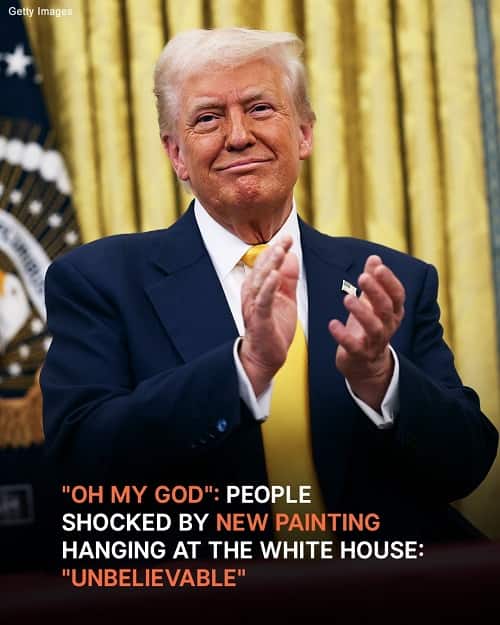
The White House recently made a quiet but controversial change to its Grand Foyer, swapping out the official portrait of former President Barack Obama with a new painting depicting former President Donald Trump. The new image, dramatic and symbolic, captures the moment following the attempted assassination Trump survived during a campaign rally in Pennsylvania last summer.
The painting, unveiled via the White House’s official social media, immediately drew widespread public reaction. Trump is portrayed with a bloodied face and his fist raised — an image that, while iconic to supporters, sparked debate online. Obama’s portrait wasn’t removed entirely but was moved across the Grand Foyer to the spot previously occupied by George W. Bush. Bush’s painting was then relocated next to his father’s near the staircase.
Critics quickly took to Instagram to express their unease. One person commented, “Doesn’t look like it fits there,” while others questioned the choice altogether. “Is this a joke?” one asked, while another described the scene as having “super North Korea vibes.”
The backlash stemmed largely from the violent context behind the painting’s subject. The event in question took place in July 2024, when Trump was shot at a campaign rally. While addressing the crowd, he was struck by a bullet that grazed his right ear. The shooter and one attendee were killed, and two others were injured before Secret Service agents escorted Trump from the stage.
Trump later wrote on Truth Social about the incident, describing the moment he felt the bullet tear through the skin. “Much bleeding took place,” he noted. “I realized then what was happening.” Video of the incident showed him pausing as gunfire rang out, reaching for his ear, and then raising his fist in defiance as he was rushed offstage.
Federal investigators confirmed the shooter, Thomas Matthew Crooks, acted alone, though they left open the possibility of broader involvement. The FBI launched a full investigation, treating the incident as an assassination attempt and potential act of domestic terrorism. They scoured Crooks’s home and car, uncovering items that were removed and examined by bomb technicians. His phone and electronic devices were also retrieved for analysis, and nearly 100 interviews were conducted with those present at the event.
Investigators have yet to determine a motive, but they urged the public to continue submitting digital evidence. Victim services were also dispatched to assist those affected.
The incident sparked renewed national interest in the security of public officials and the vulnerability of American leaders. In a recent interview aboard Air Force One, Trump reflected on both the attempt on his life and historical parallels — including the assassination of President John F. Kennedy.
The interview, conducted by Clay Travis of OutKick, marked a rare crossover between sports media and the presidential press pool. During their conversation, Trump commented on the release of long-sealed JFK assassination records. Asked if he believed Lee Harvey Oswald acted alone, Trump replied, “I do. And I always felt that, but, of course, was he helped.” He added that the documents, though not as revealing as some hoped, “might be a good thing.”
Following the attack in Pennsylvania, Trump also referenced what he believed were unusual digital behaviors tied to the shooter, and pointed to a previously unreported incident in Florida. Still, he maintained that the FBI had been forthright in their response, suggesting that while answers might never be clear, he didn’t suspect anything overtly sinister from federal agencies.
Meanwhile, the National Archives recently released tens of thousands of pages related to JFK’s assassination, including many never-before-seen documents. While public interest in those files remains high, analysts like Larry J. Sabato emphasized that understanding their full significance could take years.
The decision to prominently feature Trump’s post-assassination image in the White House, especially at the expense of Obama’s placement, has amplified the conversation about how modern presidential history is depicted — and who gets to define the narrative.
The painting, unveiled via the White House’s official social media, immediately drew widespread public reaction. Trump is portrayed with a bloodied face and his fist raised — an image that, while iconic to supporters, sparked debate online. Obama’s portrait wasn’t removed entirely but was moved across the Grand Foyer to the spot previously occupied by George W. Bush. Bush’s painting was then relocated next to his father’s near the staircase.
Critics quickly took to Instagram to express their unease. One person commented, “Doesn’t look like it fits there,” while others questioned the choice altogether. “Is this a joke?” one asked, while another described the scene as having “super North Korea vibes.”
The backlash stemmed largely from the violent context behind the painting’s subject. The event in question took place in July 2024, when Trump was shot at a campaign rally. While addressing the crowd, he was struck by a bullet that grazed his right ear. The shooter and one attendee were killed, and two others were injured before Secret Service agents escorted Trump from the stage.
Trump later wrote on Truth Social about the incident, describing the moment he felt the bullet tear through the skin. “Much bleeding took place,” he noted. “I realized then what was happening.” Video of the incident showed him pausing as gunfire rang out, reaching for his ear, and then raising his fist in defiance as he was rushed offstage.
Federal investigators confirmed the shooter, Thomas Matthew Crooks, acted alone, though they left open the possibility of broader involvement. The FBI launched a full investigation, treating the incident as an assassination attempt and potential act of domestic terrorism. They scoured Crooks’s home and car, uncovering items that were removed and examined by bomb technicians. His phone and electronic devices were also retrieved for analysis, and nearly 100 interviews were conducted with those present at the event.
Witnesses frantically tried to warn police of rifle-carrying sniper on roof before Trump assassination attempt https://t.co/ZoPDzI4Ijw pic.twitter.com/9SuRsiNisN
— New York Post (@nypost) July 14, 2024
Investigators have yet to determine a motive, but they urged the public to continue submitting digital evidence. Victim services were also dispatched to assist those affected.
The incident sparked renewed national interest in the security of public officials and the vulnerability of American leaders. In a recent interview aboard Air Force One, Trump reflected on both the attempt on his life and historical parallels — including the assassination of President John F. Kennedy.
The interview, conducted by Clay Travis of OutKick, marked a rare crossover between sports media and the presidential press pool. During their conversation, Trump commented on the release of long-sealed JFK assassination records. Asked if he believed Lee Harvey Oswald acted alone, Trump replied, “I do. And I always felt that, but, of course, was he helped.” He added that the documents, though not as revealing as some hoped, “might be a good thing.”
Following the attack in Pennsylvania, Trump also referenced what he believed were unusual digital behaviors tied to the shooter, and pointed to a previously unreported incident in Florida. Still, he maintained that the FBI had been forthright in their response, suggesting that while answers might never be clear, he didn’t suspect anything overtly sinister from federal agencies.
Meanwhile, the National Archives recently released tens of thousands of pages related to JFK’s assassination, including many never-before-seen documents. While public interest in those files remains high, analysts like Larry J. Sabato emphasized that understanding their full significance could take years.
The decision to prominently feature Trump’s post-assassination image in the White House, especially at the expense of Obama’s placement, has amplified the conversation about how modern presidential history is depicted — and who gets to define the narrative.
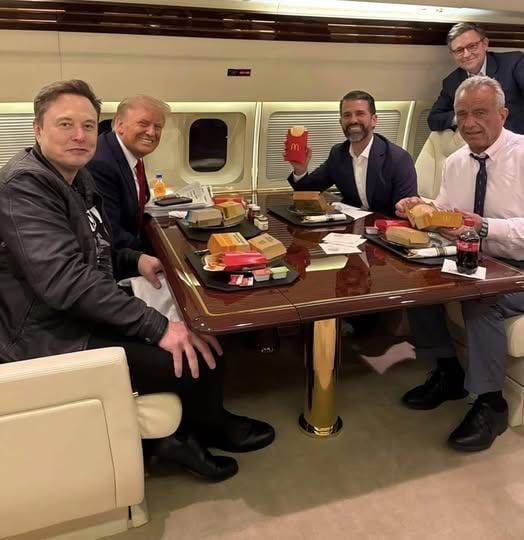
A recent image of Elon Musk eating French fries sparked controversy, demonstrating his unorthodox ways. Musk, the richest person in the world with a $315.7 billion net worth, is notorious for defying convention, even when it comes to basic things like eating.
Musk, whose rise has been fueled by his constant embrace of eccentricity, comes from a wealthy South African family. Given that the majority of the world’s wealthiest people are based in the United States, he stands out for his ability to challenge the status quo.
Musk was recently appointed by President-Elect Donald Trump to head the new Department of Government Efficiency, which aims to reduce regulations and bureaucracy. The “DOGE” meme is humorously referenced in the department’s acronym.
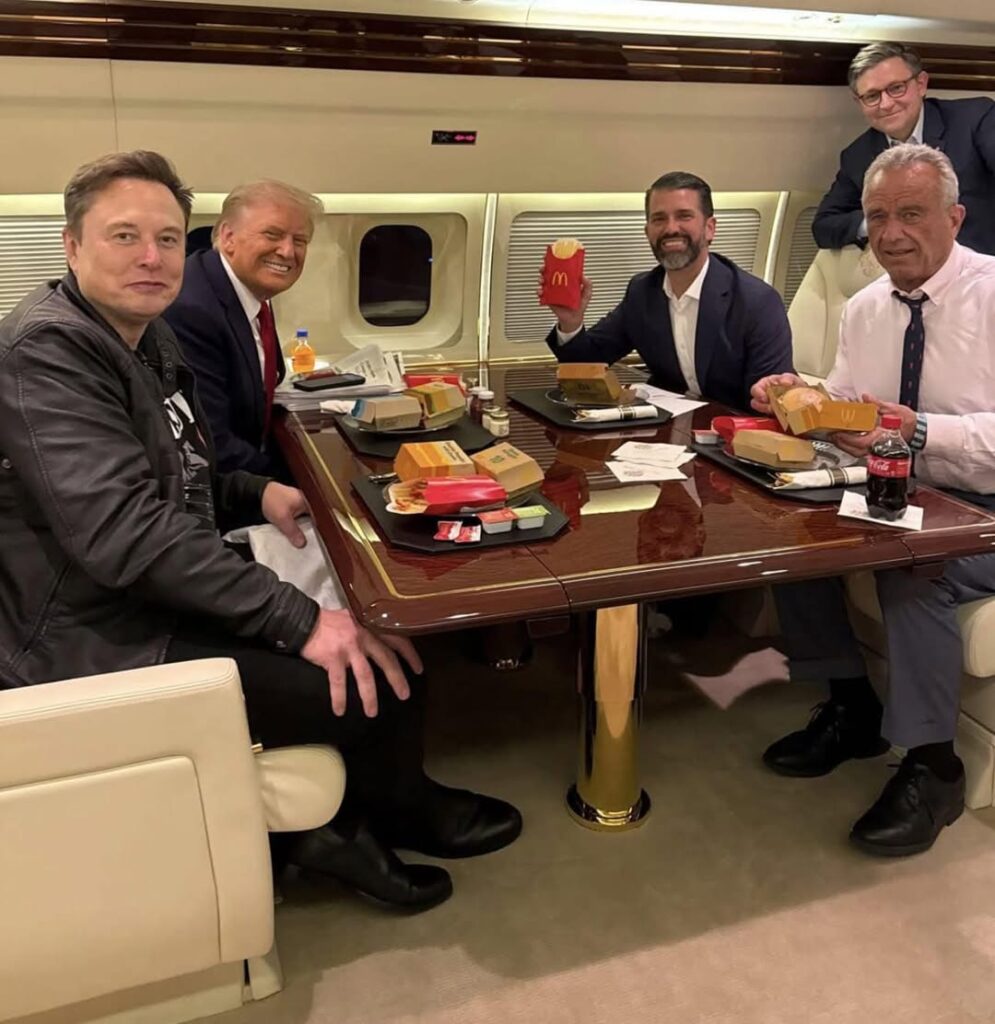
Musk’s impact goes beyond technology; his audacious actions are still upending governments and industries, making him a subject of ongoing discussion and a source of admiration.
Musk, whose rise has been fueled by his constant embrace of eccentricity, comes from a wealthy South African family. Given that the majority of the world’s wealthiest people are based in the United States, he stands out for his ability to challenge the status quo.
Musk was recently appointed by President-Elect Donald Trump to head the new Department of Government Efficiency, which aims to reduce regulations and bureaucracy. The “DOGE” meme is humorously referenced in the department’s acronym.
Musk’s impact goes beyond technology; his audacious actions are still upending governments and industries, making him a subject of ongoing discussion and a source of admiration.

Tiger Woods took some time to play golf with former President Donald Trump in South Florida as he gets ready to make his eagerly awaited comeback to the PGA Tour.
The White House has confirmed several reports that Woods and Trump teed off Sunday morning at Trump International Golf Club in West Palm Beach. Woods will play in his first official PGA Tour event since The Open at Torrey Pines in a few days after the golf outing.
Trump is anticipated to add another high-profile event to his schedule later this evening when he attends the Super Bowl in New Orleans.
Woods, who has won eight times at Torrey Pines in his career, including the storied 2008 U.S. Open, will go to San Diego for the Genesis Invitational the following week. Due to the recent Palisades fire, the tournament was rescheduled from its original location at the Riviera Country Club in Los Angeles to Torrey’s South Course. Since the Masters in April of last year, Woods has not finished a 72-hole tournament.
The name of the golf legend has also come up recently in relation to the ongoing talks between the Saudi Public Investment Fund and the PGA Tour. Trump met with player director Adam Scott and PGA Tour Commissioner Jay Monahan last week in Washington, D.C., to talk about the future of professional golf. Woods’ attendance was not mentioned in the Tour’s official statement, but according to flight-tracking data, his private jet landed at Dulles Airport on Monday night before leaving for Florida early the following morning.
In a follow-up statement, the PGA Tour thanked Trump for helping to move the talks closer to a settlement. The statement said, “We are grateful that [Trump’s] leadership has helped us get closer to a final agreement, opening the door for men’s professional golf to reunite.”
Woods also shared some personal news despite his hectic schedule. He revealed on Tuesday that his mother, Kultida Woods, had died at the age of 80.
In a heartfelt statement, Woods said, “My mom was a force of nature all her own, her spirit was simply irrefutable.” She laughed and used the needle quickly. Without her, none of my personal accomplishments would have been possible. She was my biggest supporter and fan.
On social media, Woods’ longtime friend Trump offered his condolences.
“I recently learned that Kultida, Tiger Woods’ great-grandmother, passed away—she’s moved on to greener fairways!” Trump wrote. Tiger was greatly influenced by Kultida Woods, who provided him with a lot of his strength and intelligence. Melania and I offer Tiger and his amazing family our prayers and love.
Trump and Woods have played golf together several times, demonstrating their well-established friendship. In recognition of Woods’ outstanding contributions to the sport, Trump presented him with the Presidential Medal of Freedom in 2019.
The White House has confirmed several reports that Woods and Trump teed off Sunday morning at Trump International Golf Club in West Palm Beach. Woods will play in his first official PGA Tour event since The Open at Torrey Pines in a few days after the golf outing.
Trump is anticipated to add another high-profile event to his schedule later this evening when he attends the Super Bowl in New Orleans.
Woods, who has won eight times at Torrey Pines in his career, including the storied 2008 U.S. Open, will go to San Diego for the Genesis Invitational the following week. Due to the recent Palisades fire, the tournament was rescheduled from its original location at the Riviera Country Club in Los Angeles to Torrey’s South Course. Since the Masters in April of last year, Woods has not finished a 72-hole tournament.
The name of the golf legend has also come up recently in relation to the ongoing talks between the Saudi Public Investment Fund and the PGA Tour. Trump met with player director Adam Scott and PGA Tour Commissioner Jay Monahan last week in Washington, D.C., to talk about the future of professional golf. Woods’ attendance was not mentioned in the Tour’s official statement, but according to flight-tracking data, his private jet landed at Dulles Airport on Monday night before leaving for Florida early the following morning.
In a follow-up statement, the PGA Tour thanked Trump for helping to move the talks closer to a settlement. The statement said, “We are grateful that [Trump’s] leadership has helped us get closer to a final agreement, opening the door for men’s professional golf to reunite.”
Woods also shared some personal news despite his hectic schedule. He revealed on Tuesday that his mother, Kultida Woods, had died at the age of 80.
In a heartfelt statement, Woods said, “My mom was a force of nature all her own, her spirit was simply irrefutable.” She laughed and used the needle quickly. Without her, none of my personal accomplishments would have been possible. She was my biggest supporter and fan.
On social media, Woods’ longtime friend Trump offered his condolences.
“I recently learned that Kultida, Tiger Woods’ great-grandmother, passed away—she’s moved on to greener fairways!” Trump wrote. Tiger was greatly influenced by Kultida Woods, who provided him with a lot of his strength and intelligence. Melania and I offer Tiger and his amazing family our prayers and love.
Trump and Woods have played golf together several times, demonstrating their well-established friendship. In recognition of Woods’ outstanding contributions to the sport, Trump presented him with the Presidential Medal of Freedom in 2019.
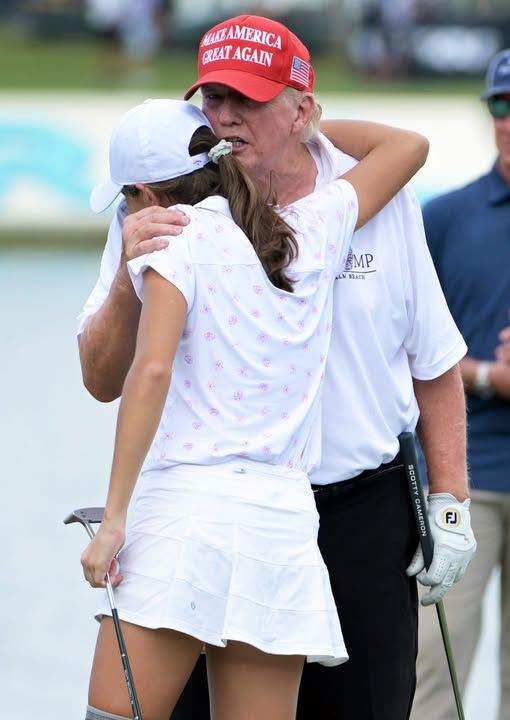
Kai Trump, the 17-year-old granddaughter of Donald Trump, has been making headlines for her unique bond with her famous grandfather and her impressive journey in golf.
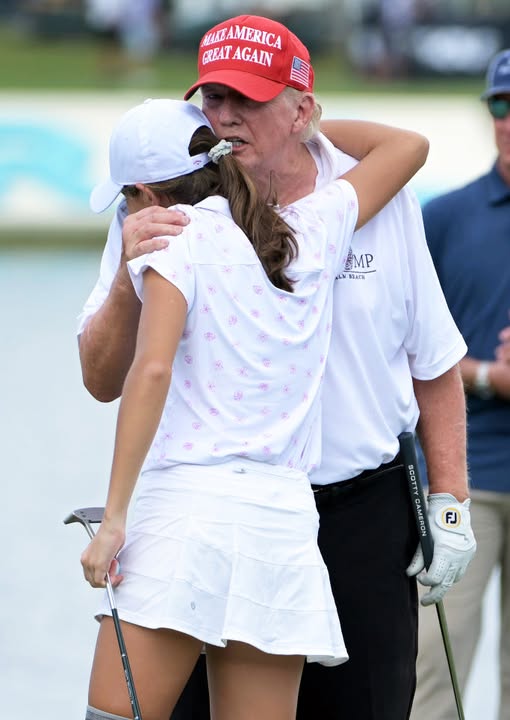
As the eldest grandchild in the Trump family, Kai has recently stepped into the spotlight, showing the world that she’s not just part of a prominent family but also a talented and driven young woman with a bright future ahead.
Kai was born on May 12, 2007, to Donald Trump Jr. and his ex-wife, Vanessa, in New York City. Named after her maternal grandfather, Danish jazz musician Kai Ewans, she arrived two weeks early at a charity event, making quite the dramatic entrance into the world.
Growing up in New York, Kai spent much of her early years with her family and her uncle Barron Trump, who is close in age. These formative years were marked by family traditions and a strong bond with her grandparents, particularly Donald Trump.
As the eldest grandchild in the Trump family, Kai has recently stepped into the spotlight, showing the world that she’s not just part of a prominent family but also a talented and driven young woman with a bright future ahead.
Kai was born on May 12, 2007, to Donald Trump Jr. and his ex-wife, Vanessa, in New York City. Named after her maternal grandfather, Danish jazz musician Kai Ewans, she arrived two weeks early at a charity event, making quite the dramatic entrance into the world.
Growing up in New York, Kai spent much of her early years with her family and her uncle Barron Trump, who is close in age. These formative years were marked by family traditions and a strong bond with her grandparents, particularly Donald Trump.
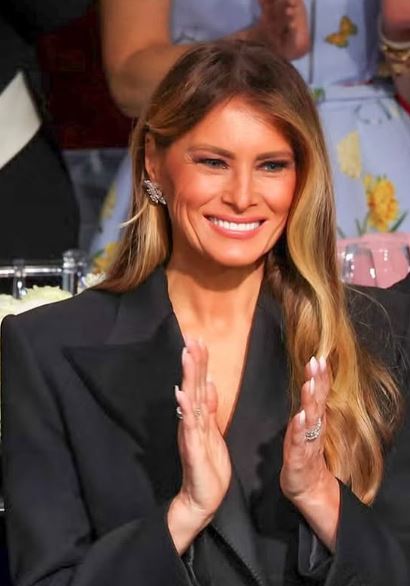
The portrait, photographed by Régine Mahaux, marked a stark contrast to her 2017 portrait, showcasing a more powerful and deliberate public persona. The Washington Monument in the background emphasized her connection to political power.
The portrait’s release followed discussions about Melania’s controversial inauguration outfit, including a bold, wide-brimmed hat that some compared to funeral attire. Despite the mixed reviews, the hat’s design journey added intrigue, showcasing her ability to handle public scrutiny with grace.

Her fashion choices continue to reflect her desire for privacy and a carefully curated public image.
The portrait’s release followed discussions about Melania’s controversial inauguration outfit, including a bold, wide-brimmed hat that some compared to funeral attire. Despite the mixed reviews, the hat’s design journey added intrigue, showcasing her ability to handle public scrutiny with grace.
Her fashion choices continue to reflect her desire for privacy and a carefully curated public image.

When a beaver dam is removed, the ecosystem undergoes drastic changes-flooded areas dry up, habitats vanish, and wildlife struggles to adapt. The aftermath? You won’t believe the shocking results that follow! Watch full video
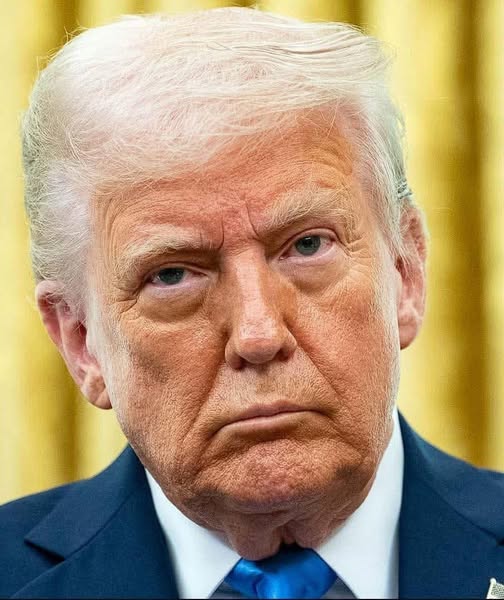
Former President Donald Trump’s sweeping decision to impose tariffs on multiple countries has sent shockwaves through global markets and diplomatic circles. Yet, the move was anything but spontaneous. For years, Trump has voiced his belief that the U.S. has been exploited in international trade, and now, in a bold declaration of “economic independence,” he’s putting those beliefs into policy.
As of Friday night, a 10% tariff now applies to nearly all imports to the United States. Some countries face even steeper penalties — including a 53% tariff on Chinese goods, and a 20% rate on imports from both the European Union and South Korea. This broad move is what Trump has described as a turning point for American industry, one he claims will usher in a new era of prosperity for American workers.
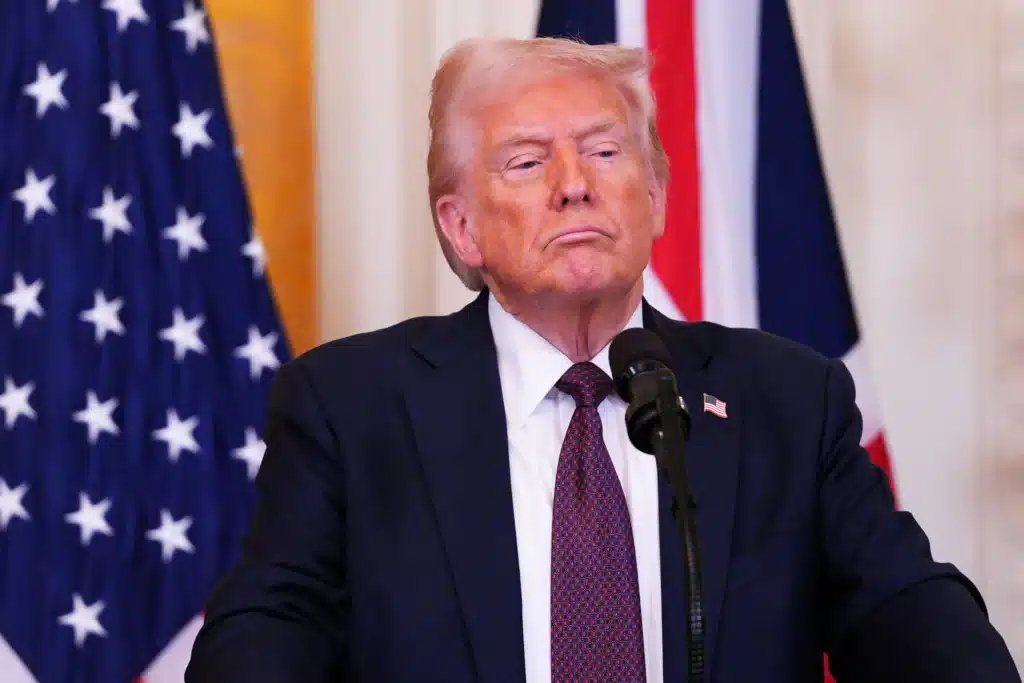
“We’re standing up for the American worker, and we are finally putting America first,”
Trump said during a Rose Garden ceremony as he signed the executive order. He warned that the decision would be met with resistance from “globalists” and “special interests,” but urged Americans to have faith in his leadership.
“Remember, every prediction made by our opponents about trade in the past 30 years has been utterly wrong,”
he said. He also declared that April 2, 2025, would be remembered as the day
“American industry was reborn.”
In an impassioned speech, Trump framed the measure as a necessary correction to decades of economic exploitation.
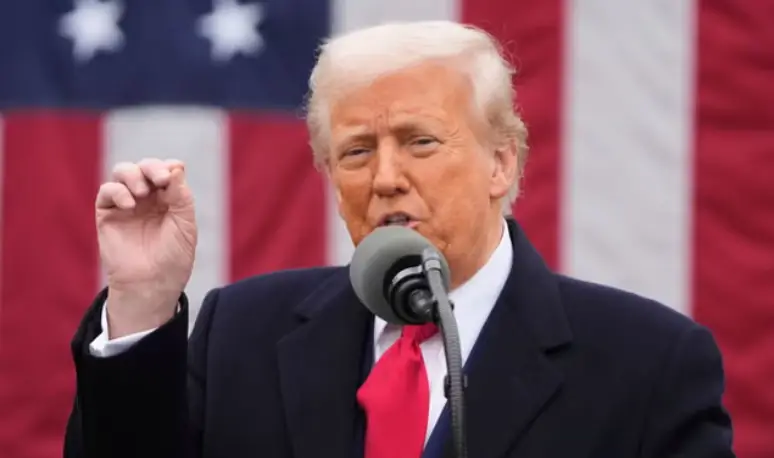
“For decades, our country has been looted, pillaged, raped and plundered by nations near and far, both friend and foe alike… Our country and its taxpayers have been ripped off for more than 50 years, but it is not going to happen anymore.”
Critics, however, warn of severe consequences. Economists and international observers alike fear that these tariffs could not only trigger higher prices for American consumers but also tip the global economy into recession.
Ken Rogoff, former chief economist at the International Monetary Fund, offered a stark assessment.
“This essentially topples a nuclear device onto the global trading system,”
he told the BBC, estimating the likelihood of a U.S. recession has now doubled to 50%.
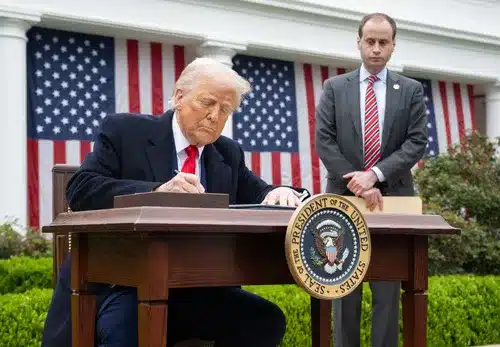
The economic implications could ripple far beyond U.S. borders. Tensions with key allies such as Japan and South Korea are expected to intensify. With tariffs applied across the board — including against longstanding partners — many are bracing for retaliatory measures and prolonged trade disputes.
Still, Trump remained resolute in his message, emphasizing the long-term vision behind his decision.
“Hopefully, in years to come, you will look back and realize we made the right choice,”
he said, framing the decision as a necessary sacrifice for future national gain.
Whether this move will indeed restore the American dream or deepen global economic uncertainty remains to be seen. But one thing is clear: Trump’s trade agenda has entered an aggressive new chapter — one that’s already reshaping the global economic landscape.
As of Friday night, a 10% tariff now applies to nearly all imports to the United States. Some countries face even steeper penalties — including a 53% tariff on Chinese goods, and a 20% rate on imports from both the European Union and South Korea. This broad move is what Trump has described as a turning point for American industry, one he claims will usher in a new era of prosperity for American workers.
“We’re standing up for the American worker, and we are finally putting America first,”
Trump said during a Rose Garden ceremony as he signed the executive order. He warned that the decision would be met with resistance from “globalists” and “special interests,” but urged Americans to have faith in his leadership.
“Remember, every prediction made by our opponents about trade in the past 30 years has been utterly wrong,”
he said. He also declared that April 2, 2025, would be remembered as the day
“American industry was reborn.”
In an impassioned speech, Trump framed the measure as a necessary correction to decades of economic exploitation.
“For decades, our country has been looted, pillaged, raped and plundered by nations near and far, both friend and foe alike… Our country and its taxpayers have been ripped off for more than 50 years, but it is not going to happen anymore.”
Critics, however, warn of severe consequences. Economists and international observers alike fear that these tariffs could not only trigger higher prices for American consumers but also tip the global economy into recession.
Ken Rogoff, former chief economist at the International Monetary Fund, offered a stark assessment.
“This essentially topples a nuclear device onto the global trading system,”
he told the BBC, estimating the likelihood of a U.S. recession has now doubled to 50%.
The economic implications could ripple far beyond U.S. borders. Tensions with key allies such as Japan and South Korea are expected to intensify. With tariffs applied across the board — including against longstanding partners — many are bracing for retaliatory measures and prolonged trade disputes.
Still, Trump remained resolute in his message, emphasizing the long-term vision behind his decision.
“Hopefully, in years to come, you will look back and realize we made the right choice,”
he said, framing the decision as a necessary sacrifice for future national gain.
Whether this move will indeed restore the American dream or deepen global economic uncertainty remains to be seen. But one thing is clear: Trump’s trade agenda has entered an aggressive new chapter — one that’s already reshaping the global economic landscape.
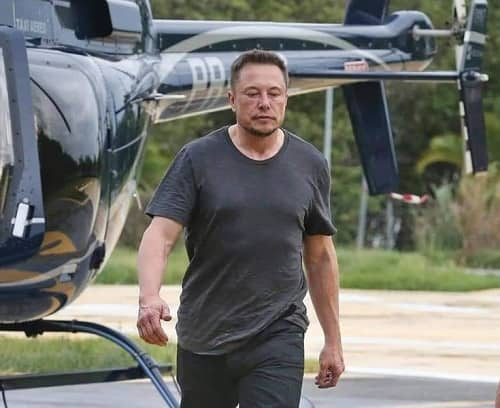
Elon Musk Speaks Out: “I’m Giving $75 Million to Ensure Everyone Has a Home!”
In a powerful and unprecedented move, Elon Musk, the visionary entrepreneur behind Tesla and SpaceX, has announced that he is donating $75 million to help ensure that everyone has access to a home. This massive philanthropic gesture is being hailed as a game-changer in the fight against homelessness and the ongoing housing crisis in the United States. Musk, who has previously focused his wealth on revolutionary ventures such as electric vehicles, space exploration, and sustainable energy, is now using his influence and resources to address one of society’s most pressing issues: affordable housing.
The announcement has sent shockwaves through both the philanthropic world and the broader public, with Musk’s supporters and critics alike speculating about the potential impact of such a large donation. Musk’s pledge to tackle homelessness and housing insecurity comes at a time when the U.S. is facing a severe shortage of affordable housing, compounded by rising rents, stagnant wages, and increasing numbers of individuals and families experiencing homelessness. With this $75 million donation, Musk is aiming to make a significant dent in this crisis by funding housing projects that will provide stable, safe, and affordable homes for thousands of people in need.
Musk’s Vision for Housing: A Commitment to Equity and Sustainability
Musk’s donation of $75 million is not just a financial contribution—it’s a statement about his commitment to addressing systemic inequality and ensuring that all people, regardless of their circumstances, have access to basic human rights like shelter. In his announcement, Musk emphasized that access to affordable housing is a fundamental issue that affects every aspect of an individual’s life, from health and education to employment and social mobility.
The funds will be directed toward the construction of affordable housing projects in high-demand areas, particularly those that have been most impacted by the housing crisis. Musk has specifically called for projects that go beyond simply providing shelter, instead aiming to create entire communities that offer residents the resources and opportunities they need to thrive. This includes the development of housing that is not only affordable but also sustainable, with energy-efficient designs that reduce utility costs and minimize the environmental footprint.
A key aspect of Musk’s vision is the integration of his other companies, Tesla and SpaceX, into the housing projects. Through Tesla’s expertise in solar energy and energy storage, the homes will be equipped with solar panels and batteries, allowing residents to generate their own energy and lower their utility bills. Additionally, Musk has indicated that his companies may explore innovative building technologies, such as modular or 3D-printed homes, to reduce construction costs and expedite the building process.
Musk’s approach to housing is designed to address the root causes of homelessness by providing not just a roof over people’s heads, but a pathway to long-term stability. This could involve offering job training programs, educational resources, and access to healthcare within these communities, creating an environment where residents have the support they need to escape the cycle of poverty and build a better future.
The Scope of the $75 Million Donation
Musk’s $75 million donation will be spread across various housing initiatives, with a focus on creating high-quality, affordable housing for people in need. The funds will be allocated to both the construction of new homes and the renovation of existing properties that have fallen into disrepair. Musk’s goal is to help people who are currently living in overcrowded, unsafe, or temporary housing situations by providing them with access to stable, permanent homes.
The donation will also fund the development of housing for individuals and families who are at risk of homelessness. This includes support for people with low incomes, veterans, seniors, and those with disabilities. By targeting these vulnerable populations, Musk is ensuring that the most marginalized members of society have access to the resources and opportunities they need to thrive.
One of the key elements of Musk’s housing initiative is the emphasis on sustainability. In addition to using Tesla’s solar technology to power homes, Musk has expressed a desire to incorporate green building materials, energy-efficient systems, and water conservation technologies into the designs. The goal is not only to make housing more affordable but also to reduce the environmental impact of new construction, aligning with Musk’s broader commitment to sustainability and combating climate change.
Musk has also hinted that the housing projects could be used as models for future developments across the country, potentially influencing the way affordable housing is built and financed. By using cutting-edge technology, sustainable materials, and innovative design principles, Musk hopes to show that affordable housing can be both high-quality and environmentally responsible.
The Housing Crisis: Why Musk’s Donation Matters
The U.S. is facing a growing housing crisis, with millions of Americans struggling to find stable, affordable housing. According to recent reports, nearly 1 in 5 renters spend more than half of their income on housing, and the nation is facing a shortage of millions of affordable rental units. Rising home prices, coupled with stagnant wages and increasing wealth inequality, have made it increasingly difficult for low- and middle-income families to secure a place to live.
Homelessness, too, has become an increasingly urgent issue. In many cities, the number of people living on the streets or in temporary shelters has reached alarming levels. The COVID-19 pandemic has exacerbated these problems, with millions of people losing their jobs and facing economic hardship. As eviction moratoriums end and housing costs continue to rise, more people are finding themselves at risk of homelessness or living in substandard conditions.
Musk’s $75 million donation is a significant step toward addressing these issues. While government policies and programs are essential to solving the housing crisis on a larger scale, private sector involvement is also crucial. Musk’s donation serves as a powerful reminder that individuals and businesses have a role to play in addressing social inequality and ensuring that everyone has access to the resources they need to lead healthy, fulfilling lives.
By directing his resources toward housing, Musk is not only addressing an immediate need but also setting an example for other wealthy individuals and corporations to follow. If more philanthropists and businesses contribute to solving the housing crisis, the collective impact could be transformative, helping to create a more equitable society where everyone has access to a safe and affordable home.
The Impact on Communities and the Broader Housing Landscape
Musk’s $75 million donation is expected to have a profound impact on the communities it touches. By providing affordable housing in high-demand areas, Musk’s initiative will help reduce homelessness, alleviate overcrowding, and improve living conditions for thousands of people. The homes will offer stability and security, giving residents the chance to build a better future for themselves and their families.
Beyond the immediate benefits for those who receive housing, Musk’s donation could also have a ripple effect on the broader housing landscape. By demonstrating that sustainable, affordable housing is not only possible but also practical and scalable, Musk is challenging traditional models of housing development. His investment in innovative building technologies and green construction methods could set a new standard for how homes are built in the future, making them more affordable, energy-efficient, and environmentally friendly.
In addition to improving housing conditions, Musk’s initiative has the potential to boost local economies. The construction of new homes and the renovation of existing properties will create jobs in the building and construction industries, while the addition of stable, affordable housing in communities will attract new businesses and provide economic opportunities for residents.
A Legacy of Giving: Musk’s Broader Philanthropy
Elon Musk’s $75 million donation is part of his growing legacy of philanthropy, which has included support for renewable energy, education, and healthcare. While Musk is best known for his groundbreaking work in technology and space exploration, his commitment to addressing social issues through charitable contributions demonstrates that he understands the broader responsibilities that come with immense wealth and influence.
Musk has stated that his ultimate goal is to use his wealth to help solve humanity’s greatest challenges, and his donation to improve housing for the needy is a reflection of that philosophy. By leveraging his success in business to create positive change in society, Musk is setting an example for other billionaires and corporate leaders to follow. His efforts are proof that private individuals, particularly those with significant resources, have the power to make a meaningful difference in the world.
Conclusion: A New Chapter in Philanthropy
Elon Musk’s $75 million donation to ensure everyone has a home is an extraordinary act of generosity that has the potential to change the lives of thousands of families struggling with housing insecurity. By investing in affordable, sustainable housing, Musk is not only addressing an urgent social issue but also challenging conventional thinking about how we solve complex societal problems. His donation is a call to action for others in the private sector to follow suit and contribute to creating a more equitable world.
As Musk continues to use his resources and influence to tackle some of the world’s most pressing issues, his philanthropic efforts are proving that individuals, particularly those with great wealth, can play a critical role in shaping a brighter, more inclusive future for all.
In a powerful and unprecedented move, Elon Musk, the visionary entrepreneur behind Tesla and SpaceX, has announced that he is donating $75 million to help ensure that everyone has access to a home. This massive philanthropic gesture is being hailed as a game-changer in the fight against homelessness and the ongoing housing crisis in the United States. Musk, who has previously focused his wealth on revolutionary ventures such as electric vehicles, space exploration, and sustainable energy, is now using his influence and resources to address one of society’s most pressing issues: affordable housing.
The announcement has sent shockwaves through both the philanthropic world and the broader public, with Musk’s supporters and critics alike speculating about the potential impact of such a large donation. Musk’s pledge to tackle homelessness and housing insecurity comes at a time when the U.S. is facing a severe shortage of affordable housing, compounded by rising rents, stagnant wages, and increasing numbers of individuals and families experiencing homelessness. With this $75 million donation, Musk is aiming to make a significant dent in this crisis by funding housing projects that will provide stable, safe, and affordable homes for thousands of people in need.
Musk’s Vision for Housing: A Commitment to Equity and Sustainability
Musk’s donation of $75 million is not just a financial contribution—it’s a statement about his commitment to addressing systemic inequality and ensuring that all people, regardless of their circumstances, have access to basic human rights like shelter. In his announcement, Musk emphasized that access to affordable housing is a fundamental issue that affects every aspect of an individual’s life, from health and education to employment and social mobility.
The funds will be directed toward the construction of affordable housing projects in high-demand areas, particularly those that have been most impacted by the housing crisis. Musk has specifically called for projects that go beyond simply providing shelter, instead aiming to create entire communities that offer residents the resources and opportunities they need to thrive. This includes the development of housing that is not only affordable but also sustainable, with energy-efficient designs that reduce utility costs and minimize the environmental footprint.
A key aspect of Musk’s vision is the integration of his other companies, Tesla and SpaceX, into the housing projects. Through Tesla’s expertise in solar energy and energy storage, the homes will be equipped with solar panels and batteries, allowing residents to generate their own energy and lower their utility bills. Additionally, Musk has indicated that his companies may explore innovative building technologies, such as modular or 3D-printed homes, to reduce construction costs and expedite the building process.
Musk’s approach to housing is designed to address the root causes of homelessness by providing not just a roof over people’s heads, but a pathway to long-term stability. This could involve offering job training programs, educational resources, and access to healthcare within these communities, creating an environment where residents have the support they need to escape the cycle of poverty and build a better future.
The Scope of the $75 Million Donation
Musk’s $75 million donation will be spread across various housing initiatives, with a focus on creating high-quality, affordable housing for people in need. The funds will be allocated to both the construction of new homes and the renovation of existing properties that have fallen into disrepair. Musk’s goal is to help people who are currently living in overcrowded, unsafe, or temporary housing situations by providing them with access to stable, permanent homes.
The donation will also fund the development of housing for individuals and families who are at risk of homelessness. This includes support for people with low incomes, veterans, seniors, and those with disabilities. By targeting these vulnerable populations, Musk is ensuring that the most marginalized members of society have access to the resources and opportunities they need to thrive.
One of the key elements of Musk’s housing initiative is the emphasis on sustainability. In addition to using Tesla’s solar technology to power homes, Musk has expressed a desire to incorporate green building materials, energy-efficient systems, and water conservation technologies into the designs. The goal is not only to make housing more affordable but also to reduce the environmental impact of new construction, aligning with Musk’s broader commitment to sustainability and combating climate change.
Musk has also hinted that the housing projects could be used as models for future developments across the country, potentially influencing the way affordable housing is built and financed. By using cutting-edge technology, sustainable materials, and innovative design principles, Musk hopes to show that affordable housing can be both high-quality and environmentally responsible.
The Housing Crisis: Why Musk’s Donation Matters
The U.S. is facing a growing housing crisis, with millions of Americans struggling to find stable, affordable housing. According to recent reports, nearly 1 in 5 renters spend more than half of their income on housing, and the nation is facing a shortage of millions of affordable rental units. Rising home prices, coupled with stagnant wages and increasing wealth inequality, have made it increasingly difficult for low- and middle-income families to secure a place to live.
Homelessness, too, has become an increasingly urgent issue. In many cities, the number of people living on the streets or in temporary shelters has reached alarming levels. The COVID-19 pandemic has exacerbated these problems, with millions of people losing their jobs and facing economic hardship. As eviction moratoriums end and housing costs continue to rise, more people are finding themselves at risk of homelessness or living in substandard conditions.
Musk’s $75 million donation is a significant step toward addressing these issues. While government policies and programs are essential to solving the housing crisis on a larger scale, private sector involvement is also crucial. Musk’s donation serves as a powerful reminder that individuals and businesses have a role to play in addressing social inequality and ensuring that everyone has access to the resources they need to lead healthy, fulfilling lives.
By directing his resources toward housing, Musk is not only addressing an immediate need but also setting an example for other wealthy individuals and corporations to follow. If more philanthropists and businesses contribute to solving the housing crisis, the collective impact could be transformative, helping to create a more equitable society where everyone has access to a safe and affordable home.
The Impact on Communities and the Broader Housing Landscape
Musk’s $75 million donation is expected to have a profound impact on the communities it touches. By providing affordable housing in high-demand areas, Musk’s initiative will help reduce homelessness, alleviate overcrowding, and improve living conditions for thousands of people. The homes will offer stability and security, giving residents the chance to build a better future for themselves and their families.
Beyond the immediate benefits for those who receive housing, Musk’s donation could also have a ripple effect on the broader housing landscape. By demonstrating that sustainable, affordable housing is not only possible but also practical and scalable, Musk is challenging traditional models of housing development. His investment in innovative building technologies and green construction methods could set a new standard for how homes are built in the future, making them more affordable, energy-efficient, and environmentally friendly.
In addition to improving housing conditions, Musk’s initiative has the potential to boost local economies. The construction of new homes and the renovation of existing properties will create jobs in the building and construction industries, while the addition of stable, affordable housing in communities will attract new businesses and provide economic opportunities for residents.
A Legacy of Giving: Musk’s Broader Philanthropy
Elon Musk’s $75 million donation is part of his growing legacy of philanthropy, which has included support for renewable energy, education, and healthcare. While Musk is best known for his groundbreaking work in technology and space exploration, his commitment to addressing social issues through charitable contributions demonstrates that he understands the broader responsibilities that come with immense wealth and influence.
Musk has stated that his ultimate goal is to use his wealth to help solve humanity’s greatest challenges, and his donation to improve housing for the needy is a reflection of that philosophy. By leveraging his success in business to create positive change in society, Musk is setting an example for other billionaires and corporate leaders to follow. His efforts are proof that private individuals, particularly those with significant resources, have the power to make a meaningful difference in the world.
Conclusion: A New Chapter in Philanthropy
Elon Musk’s $75 million donation to ensure everyone has a home is an extraordinary act of generosity that has the potential to change the lives of thousands of families struggling with housing insecurity. By investing in affordable, sustainable housing, Musk is not only addressing an urgent social issue but also challenging conventional thinking about how we solve complex societal problems. His donation is a call to action for others in the private sector to follow suit and contribute to creating a more equitable world.
As Musk continues to use his resources and influence to tackle some of the world’s most pressing issues, his philanthropic efforts are proving that individuals, particularly those with great wealth, can play a critical role in shaping a brighter, more inclusive future for all.
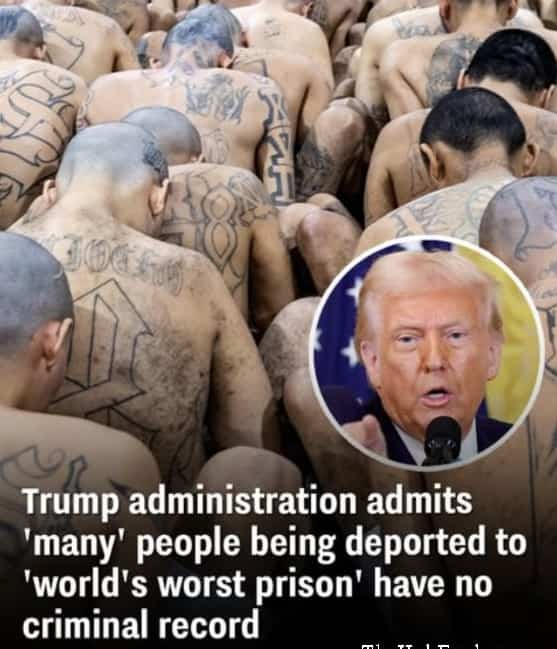
Trump Accused of Defying Court Order Amid Deportation of Alleged Venezuelan Gang Members to El Salvador’s Notorious Prison
Former U.S. President Donald Trump has faced allegations of disregarding a federal court order by proceeding with the deportation of over 200 individuals, reportedly affiliated with Venezuelan criminal organizations, to the high-security CECOT prison in El Salvador.
On March 15, U.S. District Judge James E. Boasberg issued a temporary injunction to halt the deportation process. However, by the time the ruling was made, the flight carrying the detainees was already en route. Upon being notified of the judge’s decision, the Trump administration was instructed to recall the aircraft, yet the deportation was carried out as planned.
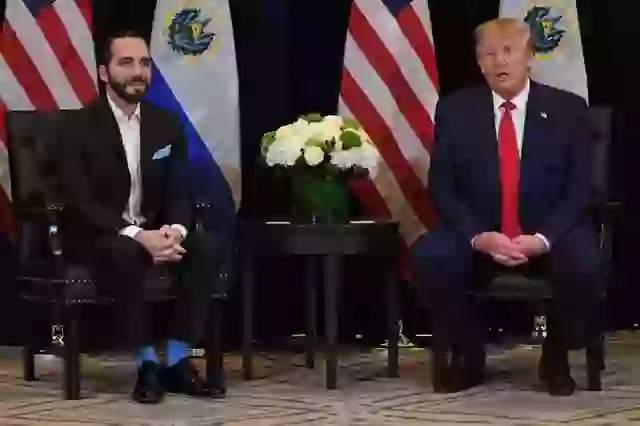
El Salvador’s President, Nayib Bukele, appeared to mock the U.S. court ruling in a social media post, responding to reports of Trump ignoring the judicial directive with a brief comment: “Oopsie… Too late.”
White House Denies Wrongdoing Amid Legal and Diplomatic Backlash
Despite criticism, White House Press Secretary Karoline Leavitt maintained that the Trump administration did not deliberately violate the court order. Meanwhile, a high-ranking official from U.S. Immigration and Customs Enforcement (ICE), Robert Cerna, acknowledged in a legal filing that many of the individuals deported had no prior criminal convictions.
Cerna defended the deportation by arguing that the lack of detailed records on the individuals reinforced concerns about their potential threat. “The absence of specific information on each individual underscores the risks they pose,” he stated. “This confirms they are terrorists about whom we lack a complete profile.”
The deportations were executed under a controversial presidential order invoking an 18th-century wartime provision, enabling the expedited removal of alleged gang affiliates without conventional legal proceedings.
International Reaction and Venezuela’s Condemnation
Venezuelan President Nicolás Maduro strongly criticized the mass deportation, condemning what he described as the “unjust criminalization of Venezuelan youth.” On March 16, he accused the U.S. of labeling teenagers as terrorists and deporting them solely based on their nationality.
Bukele, however, defended the operation, emphasizing his commitment to combating organized crime. He confirmed on social media that 238 alleged members of the Venezuelan gang, Tren de Aragua, had arrived in El Salvador and were immediately incarcerated at CECOT under a renewable one-year detention period.
“The United States will contribute a minimal fee for their detention, but the cost will be significant for us,” Bukele stated. He further asserted that the Zero Idleness program, which engages over 40,000 inmates in labor and workshops, is aimed at making El Salvador’s prison system self-sufficient, noting that the annual operational cost currently stands at $200 million.
This development has intensified debate over the legal and ethical implications of mass deportations, with concerns over human rights, international law, and U.S.-El Salvador diplomatic relations taking center stage.
Former U.S. President Donald Trump has faced allegations of disregarding a federal court order by proceeding with the deportation of over 200 individuals, reportedly affiliated with Venezuelan criminal organizations, to the high-security CECOT prison in El Salvador.
On March 15, U.S. District Judge James E. Boasberg issued a temporary injunction to halt the deportation process. However, by the time the ruling was made, the flight carrying the detainees was already en route. Upon being notified of the judge’s decision, the Trump administration was instructed to recall the aircraft, yet the deportation was carried out as planned.
El Salvador’s President, Nayib Bukele, appeared to mock the U.S. court ruling in a social media post, responding to reports of Trump ignoring the judicial directive with a brief comment: “Oopsie… Too late.”
White House Denies Wrongdoing Amid Legal and Diplomatic Backlash
Despite criticism, White House Press Secretary Karoline Leavitt maintained that the Trump administration did not deliberately violate the court order. Meanwhile, a high-ranking official from U.S. Immigration and Customs Enforcement (ICE), Robert Cerna, acknowledged in a legal filing that many of the individuals deported had no prior criminal convictions.
Cerna defended the deportation by arguing that the lack of detailed records on the individuals reinforced concerns about their potential threat. “The absence of specific information on each individual underscores the risks they pose,” he stated. “This confirms they are terrorists about whom we lack a complete profile.”
The deportations were executed under a controversial presidential order invoking an 18th-century wartime provision, enabling the expedited removal of alleged gang affiliates without conventional legal proceedings.
International Reaction and Venezuela’s Condemnation
Venezuelan President Nicolás Maduro strongly criticized the mass deportation, condemning what he described as the “unjust criminalization of Venezuelan youth.” On March 16, he accused the U.S. of labeling teenagers as terrorists and deporting them solely based on their nationality.
Bukele, however, defended the operation, emphasizing his commitment to combating organized crime. He confirmed on social media that 238 alleged members of the Venezuelan gang, Tren de Aragua, had arrived in El Salvador and were immediately incarcerated at CECOT under a renewable one-year detention period.
“The United States will contribute a minimal fee for their detention, but the cost will be significant for us,” Bukele stated. He further asserted that the Zero Idleness program, which engages over 40,000 inmates in labor and workshops, is aimed at making El Salvador’s prison system self-sufficient, noting that the annual operational cost currently stands at $200 million.
This development has intensified debate over the legal and ethical implications of mass deportations, with concerns over human rights, international law, and U.S.-El Salvador diplomatic relations taking center stage.
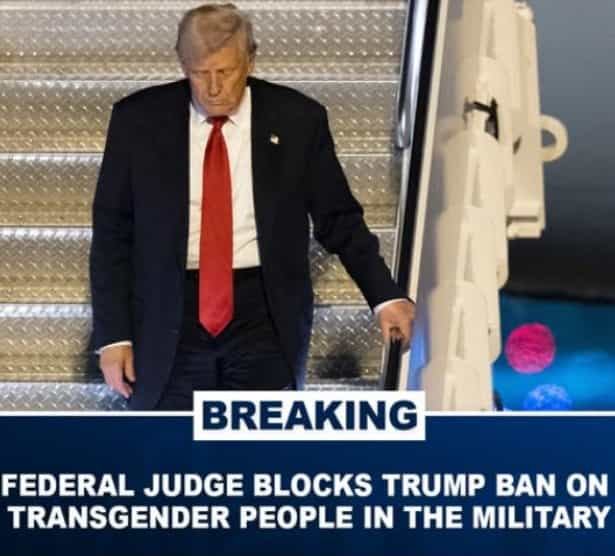
Federal Judge Blocks Ban on Transgender Military Service
A federal judge has issued a ruling preventing the enforcement of an executive order by former President Donald Trump, which sought to prohibit transgender individuals from serving in the U.S. military. This decision represents another legal obstacle to the implementation of the policy.
On Tuesday, U.S. District Judge Ana Reyes of Washington, D.C., determined that excluding transgender individuals from military service likely violates constitutional protections. Her ruling followed another court decision issued the same day against the administration’s policies. This legal development coincided with former President Trump’s public call for the impeachment of a separate judge who had temporarily blocked deportation flights—a statement that prompted a rare rebuke from Chief Justice John Roberts.
Judge Reyes, who was appointed by President Joe Biden, delayed the enforcement of her order until Friday morning, allowing time for the government to file an appeal.
Legal Justification and Reactions
In her ruling, Judge Reyes acknowledged the contentious nature of the decision but emphasized the importance of constitutional principles. “This opinion will undoubtedly spark intense debate and legal challenges. However, in a democracy, such discussions are necessary and beneficial,” she wrote. She also underscored the service and dedication of those impacted by the ban, stating that every individual who has served in the military deserves respect and gratitude.
Among the plaintiffs challenging the ban was Army Reserves 2nd Lt. Nicolas Talbott, one of 14 active-duty transgender servicemembers involved in the lawsuit. Talbott, who feared losing his military position due to the policy, expressed relief at the court’s ruling. “This is all I’ve ever wanted to do. This is my dream job, and I was terrified that I was about to lose it,” he stated.
The White House did not immediately issue a response, but Trump’s deputy chief of staff, Stephen Miller, criticized the ruling on social media, asserting that judges were overstepping their authority by intervening in military affairs.
Background and Policy Implications
The injunction granted by Judge Reyes was requested by attorneys representing both current and prospective transgender service members. The legal dispute began when Trump signed an executive order on January 27, claiming that the gender identity of transgender individuals conflicted with the principles of honor, truthfulness, and discipline essential to military service.
Following the order, Defense Secretary Pete Hegseth implemented a policy that presumptively disqualified individuals diagnosed with gender dysphoria from enlisting or serving in the military. Gender dysphoria, a recognized medical condition, is characterized by the distress caused when an individual’s gender identity does not align with their assigned sex at birth. Studies have linked this condition to an increased risk of depression and suicidal thoughts.
Attorneys representing the plaintiffs argued that Trump’s directive violated transgender individuals’ rights to equal protection under the Fifth Amendment. In contrast, government lawyers maintained that military leadership should have broad authority to determine enlistment and deployment standards without judicial interference.
In her decision, Judge Reyes acknowledged the potential risks of judicial overreach but emphasized that the judiciary plays a critical role in upholding constitutional rights. “Excessive judicial intervention can be as harmful as executive overreach. However, our system relies on checks and balances, and it is the court’s duty to ensure that the military upholds the equal protection rights it is sworn to defend,” she stated.
History of the Military’s Approach to Transgender Service Members
Transgender individuals comprise a small percentage of active-duty military personnel. In 2016, a Defense Department policy formally permitted them to serve openly. However, during Trump’s first term, his administration sought to reverse this policy, and the Supreme Court ultimately allowed the ban to take effect.
When President Biden took office, he rescinded the ban, restoring the ability of transgender individuals to serve. However, a new policy issued by Defense Secretary Hegseth on February 26 stated that individuals with a diagnosis of gender dysphoria—or those exhibiting related symptoms—were incompatible with the mental and physical demands of military service.
Impact on Service Members and Legal Challenges
The plaintiffs challenging the ban include an Army Reserves platoon leader from Pennsylvania, an Army major awarded the Bronze Star for service in Afghanistan, and a Navy Sailor of the Year recipient.
Judge Reyes highlighted the paradox of the ban, noting that many transgender service members have risked their lives to protect the very rights that this policy seeks to deny them. “The cruel irony is that thousands of transgender service members have made sacrifices—including risking their lives—to uphold the very constitutional rights that this ban now attempts to strip away,” she wrote.
Attorneys representing the plaintiffs argued that transgender troops simply want to continue their service without unnecessary discrimination. “These dedicated service members seek nothing more than the opportunity to defend their country,” they stated. They further criticized the policy as a regressive and harmful reversal that undermines unit cohesion and weakens the military.
Government attorneys defended the policy, asserting that the military has historically disqualified individuals with physical or mental health conditions that could impair their ability to serve. “In most circumstances, the Department of Defense’s professional judgment regarding the risks of allowing individuals with certain impairments to serve would be beyond question,” they argued.
Pattern of Policies Affecting Transgender Rights
Legal representatives for the plaintiffs contended that Trump’s directive was part of a broader effort to undermine transgender rights.
Federal judges in Seattle and Baltimore recently blocked separate executive orders that sought to limit access to gender-affirming healthcare for transgender youth. Another federal court prevented prison officials from transferring three incarcerated transgender women to men’s facilities and from restricting their access to hormone therapy under another Trump-era policy.
Beyond the military, Trump also issued directives affecting transgender individuals in schools, sports, housing, social services, healthcare, employment, and international travel. These policies included banning transgender athletes from competing in women’s sports and altering guidelines on gender education in schools.
Personal Impact and Future Prospects
Nicolas Talbott, a 31-year-old Army Reserves platoon leader from Akron, Ohio, enlisted in March 2024 as an openly transgender recruit after fighting for nearly a decade to join the military. Despite being older than most new recruits, he said his colleagues treated him as an equal and were more focused on his contributions to the unit rather than his gender identity.
With the court ruling in his favor, Talbott expressed optimism about continuing his military career. “Now I can go back to focusing on what really matters—the mission,” he stated.
A federal judge has issued a ruling preventing the enforcement of an executive order by former President Donald Trump, which sought to prohibit transgender individuals from serving in the U.S. military. This decision represents another legal obstacle to the implementation of the policy.
On Tuesday, U.S. District Judge Ana Reyes of Washington, D.C., determined that excluding transgender individuals from military service likely violates constitutional protections. Her ruling followed another court decision issued the same day against the administration’s policies. This legal development coincided with former President Trump’s public call for the impeachment of a separate judge who had temporarily blocked deportation flights—a statement that prompted a rare rebuke from Chief Justice John Roberts.
Judge Reyes, who was appointed by President Joe Biden, delayed the enforcement of her order until Friday morning, allowing time for the government to file an appeal.
Legal Justification and Reactions
In her ruling, Judge Reyes acknowledged the contentious nature of the decision but emphasized the importance of constitutional principles. “This opinion will undoubtedly spark intense debate and legal challenges. However, in a democracy, such discussions are necessary and beneficial,” she wrote. She also underscored the service and dedication of those impacted by the ban, stating that every individual who has served in the military deserves respect and gratitude.
Among the plaintiffs challenging the ban was Army Reserves 2nd Lt. Nicolas Talbott, one of 14 active-duty transgender servicemembers involved in the lawsuit. Talbott, who feared losing his military position due to the policy, expressed relief at the court’s ruling. “This is all I’ve ever wanted to do. This is my dream job, and I was terrified that I was about to lose it,” he stated.
The White House did not immediately issue a response, but Trump’s deputy chief of staff, Stephen Miller, criticized the ruling on social media, asserting that judges were overstepping their authority by intervening in military affairs.
Background and Policy Implications
The injunction granted by Judge Reyes was requested by attorneys representing both current and prospective transgender service members. The legal dispute began when Trump signed an executive order on January 27, claiming that the gender identity of transgender individuals conflicted with the principles of honor, truthfulness, and discipline essential to military service.
Following the order, Defense Secretary Pete Hegseth implemented a policy that presumptively disqualified individuals diagnosed with gender dysphoria from enlisting or serving in the military. Gender dysphoria, a recognized medical condition, is characterized by the distress caused when an individual’s gender identity does not align with their assigned sex at birth. Studies have linked this condition to an increased risk of depression and suicidal thoughts.
Attorneys representing the plaintiffs argued that Trump’s directive violated transgender individuals’ rights to equal protection under the Fifth Amendment. In contrast, government lawyers maintained that military leadership should have broad authority to determine enlistment and deployment standards without judicial interference.
In her decision, Judge Reyes acknowledged the potential risks of judicial overreach but emphasized that the judiciary plays a critical role in upholding constitutional rights. “Excessive judicial intervention can be as harmful as executive overreach. However, our system relies on checks and balances, and it is the court’s duty to ensure that the military upholds the equal protection rights it is sworn to defend,” she stated.
History of the Military’s Approach to Transgender Service Members
Transgender individuals comprise a small percentage of active-duty military personnel. In 2016, a Defense Department policy formally permitted them to serve openly. However, during Trump’s first term, his administration sought to reverse this policy, and the Supreme Court ultimately allowed the ban to take effect.
When President Biden took office, he rescinded the ban, restoring the ability of transgender individuals to serve. However, a new policy issued by Defense Secretary Hegseth on February 26 stated that individuals with a diagnosis of gender dysphoria—or those exhibiting related symptoms—were incompatible with the mental and physical demands of military service.
Impact on Service Members and Legal Challenges
The plaintiffs challenging the ban include an Army Reserves platoon leader from Pennsylvania, an Army major awarded the Bronze Star for service in Afghanistan, and a Navy Sailor of the Year recipient.
Judge Reyes highlighted the paradox of the ban, noting that many transgender service members have risked their lives to protect the very rights that this policy seeks to deny them. “The cruel irony is that thousands of transgender service members have made sacrifices—including risking their lives—to uphold the very constitutional rights that this ban now attempts to strip away,” she wrote.
Attorneys representing the plaintiffs argued that transgender troops simply want to continue their service without unnecessary discrimination. “These dedicated service members seek nothing more than the opportunity to defend their country,” they stated. They further criticized the policy as a regressive and harmful reversal that undermines unit cohesion and weakens the military.
Government attorneys defended the policy, asserting that the military has historically disqualified individuals with physical or mental health conditions that could impair their ability to serve. “In most circumstances, the Department of Defense’s professional judgment regarding the risks of allowing individuals with certain impairments to serve would be beyond question,” they argued.
Pattern of Policies Affecting Transgender Rights
Legal representatives for the plaintiffs contended that Trump’s directive was part of a broader effort to undermine transgender rights.
Federal judges in Seattle and Baltimore recently blocked separate executive orders that sought to limit access to gender-affirming healthcare for transgender youth. Another federal court prevented prison officials from transferring three incarcerated transgender women to men’s facilities and from restricting their access to hormone therapy under another Trump-era policy.
Beyond the military, Trump also issued directives affecting transgender individuals in schools, sports, housing, social services, healthcare, employment, and international travel. These policies included banning transgender athletes from competing in women’s sports and altering guidelines on gender education in schools.
Personal Impact and Future Prospects
Nicolas Talbott, a 31-year-old Army Reserves platoon leader from Akron, Ohio, enlisted in March 2024 as an openly transgender recruit after fighting for nearly a decade to join the military. Despite being older than most new recruits, he said his colleagues treated him as an equal and were more focused on his contributions to the unit rather than his gender identity.
With the court ruling in his favor, Talbott expressed optimism about continuing his military career. “Now I can go back to focusing on what really matters—the mission,” he stated.