 Top Video Viral
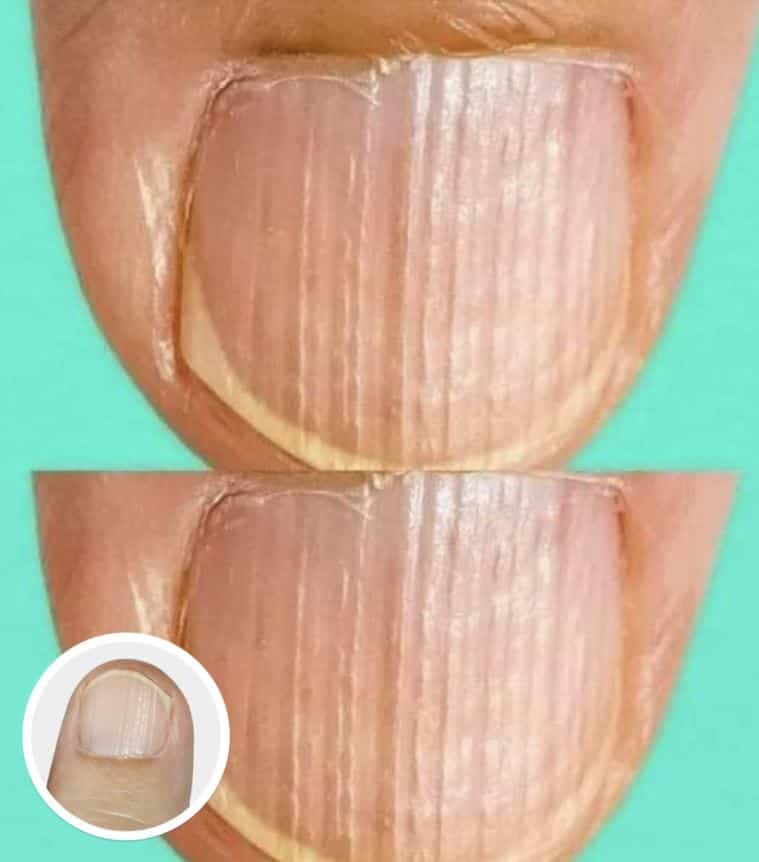
A skin expert has recently shed light on what the ridges on your nails could mean—and when it’s time to take action and see a doctor. Dr. Ross Perry, a skin specialist at Cosmedics, explains that these ridges can signal various health issues, ranging from nutritional deficiencies to dehydration, or even certain skin conditions.
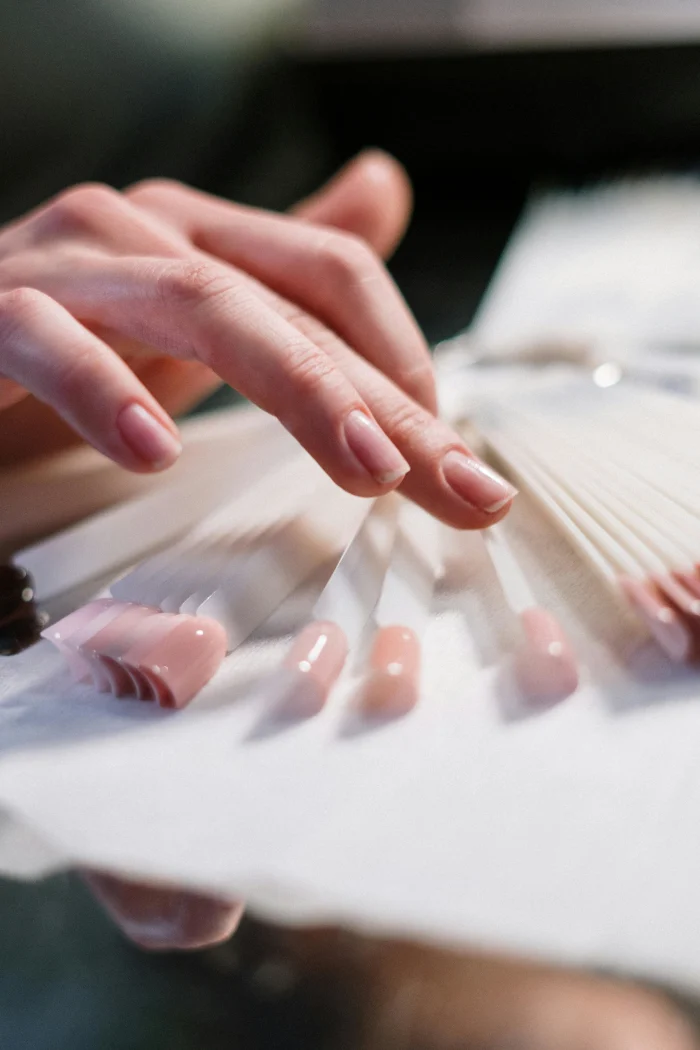
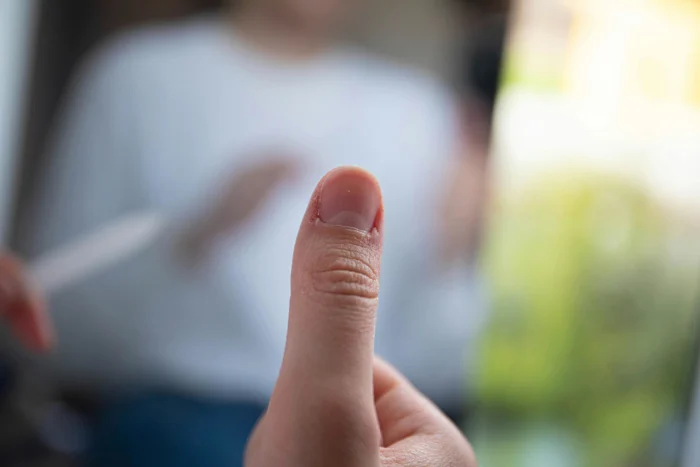
A closeup of a woman’s hand with well-manicured nails (for illustrative purposes), Photo Credit: Pexels
According to Dr. Perry, deficiencies in key vitamins or minerals could cause ridges to appear. “Nutritional factors like a lack of Vitamin A, or if your body is low on protein or calcium, may lead to ridges forming,” he said. “In more extreme cases, a severe iron deficiency can cause noticeable changes to your nails, such as the development of ridges”
However, not all ridges are cause for concern. Dr. Perry emphasizes that most nail changes aren’t linked to anything serious. Common habits such as picking at your nails can also lead to these imperfections. The NHS adds that nail issues, like brittle or discolored nails, are often not indicative of a severe medical condition. “They clarify that most nail issues are typically not linked to serious health concerns.” “Common issues include nails that are brittle, loose, or change color or shape.”
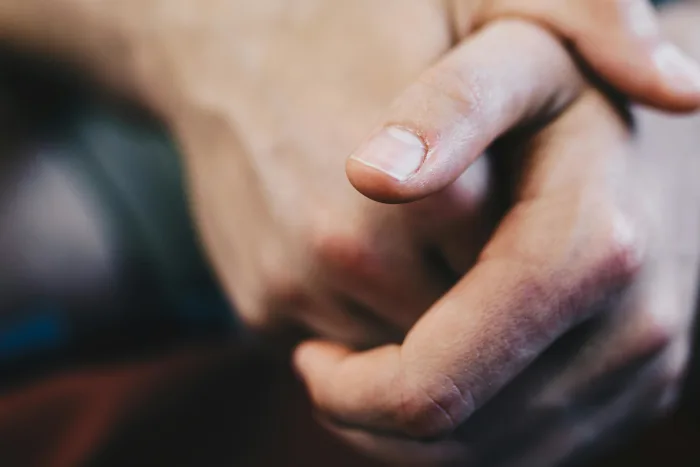
But there is one exception that could point to a more serious underlying condition. Dr. Perry cautions that “severe, deep ridges,” though rare, might be indicative of a serious illness, like kidney disease, and should prompt a visit to the doctor. Additionally, conditions like diabetes can also trigger such changes in your nails, so it’s important to pay attention to these warning signs.
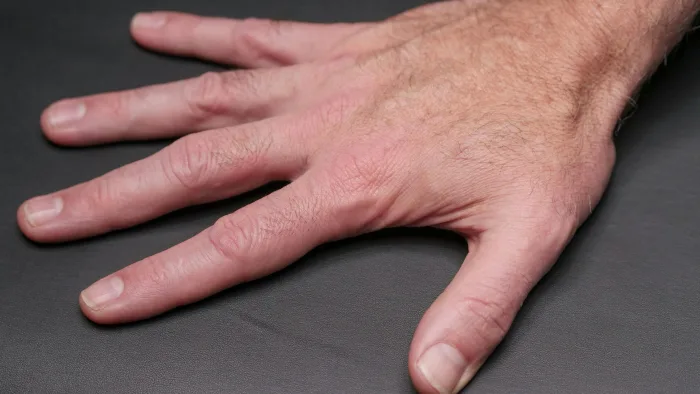
While it’s not always cause for alarm, the experts recommend seeking medical attention if you notice any significant changes in your nails. If a nail becomes misshapen, discolored, or falls off without a clear cause, it’s a good idea to consult a healthcare professional. Another reason to see a doctor is if the skin around your nails becomes sore, red, swollen, or warm, a condition known as paronychia, which could point to an infection or ingrown nail.
The NHS also advises seeing a podiatrist if your nails become too tough to cut or are difficult to reach, which could lead to complications if left untreated.
If you’re concerned about changes in your nails or suspect something might be wrong, it’s best to visit your GP for advice. For additional resources, the NHS website offers helpful information and guidance. Taking care of your nails might be simpler than you think, but it’s always important to stay vigilant when it comes to your health.
A closeup of a woman’s hand with well-manicured nails (for illustrative purposes), Photo Credit: Pexels
According to Dr. Perry, deficiencies in key vitamins or minerals could cause ridges to appear. “Nutritional factors like a lack of Vitamin A, or if your body is low on protein or calcium, may lead to ridges forming,” he said. “In more extreme cases, a severe iron deficiency can cause noticeable changes to your nails, such as the development of ridges”
However, not all ridges are cause for concern. Dr. Perry emphasizes that most nail changes aren’t linked to anything serious. Common habits such as picking at your nails can also lead to these imperfections. The NHS adds that nail issues, like brittle or discolored nails, are often not indicative of a severe medical condition. “They clarify that most nail issues are typically not linked to serious health concerns.” “Common issues include nails that are brittle, loose, or change color or shape.”
But there is one exception that could point to a more serious underlying condition. Dr. Perry cautions that “severe, deep ridges,” though rare, might be indicative of a serious illness, like kidney disease, and should prompt a visit to the doctor. Additionally, conditions like diabetes can also trigger such changes in your nails, so it’s important to pay attention to these warning signs.
While it’s not always cause for alarm, the experts recommend seeking medical attention if you notice any significant changes in your nails. If a nail becomes misshapen, discolored, or falls off without a clear cause, it’s a good idea to consult a healthcare professional. Another reason to see a doctor is if the skin around your nails becomes sore, red, swollen, or warm, a condition known as paronychia, which could point to an infection or ingrown nail.
The NHS also advises seeing a podiatrist if your nails become too tough to cut or are difficult to reach, which could lead to complications if left untreated.
If you’re concerned about changes in your nails or suspect something might be wrong, it’s best to visit your GP for advice. For additional resources, the NHS website offers helpful information and guidance. Taking care of your nails might be simpler than you think, but it’s always important to stay vigilant when it comes to your health.
I Found a Buried Chain—and Uncovered a Piece of Rural Justice
While replacing our beat-up old mailbox, I started digging around the base of the post. Just a few inches down, I hit something solid.
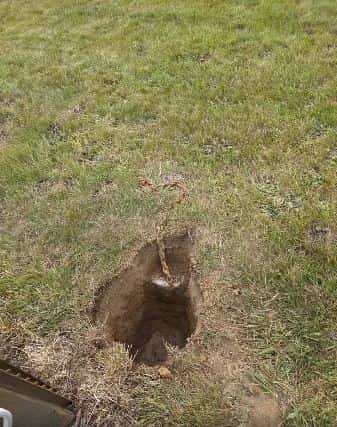
A chain. Rusted. Buried about eight inches deep.
At first, I thought, Buried treasure?
Then reality kicked in—What is this thing even attached to?
The Secret Weapon: A Mailbox Anchor
Turns out, the chain connected to a metal anchor. That anchor, covered in cement, secured the base of the old mailbox post underground.
Why go to all that trouble?
Simple: mailbox ab.use.
Some drivers, apparently bored or reckless, made a game of knocking over rural mailboxes. So homeowners got creative—and fought back.
A Bumper-Destroying Solution
Instead of calling the cops or waiting for someone to stop, people took matters into their own hands. They buried anchors. Filled posts with concrete. Replaced wood with steel pipes.
Hit one of those posts, and you’d lose more than your ego.
Dents, busted bumpers, shattered pride—mailbox vandals paid the price.
One guy even welded rebar spikes around his post. Someone tried backing into it. The bumper didn’t survive.
My Own Mailbox Surprise
Finding that old anchor gave me a moment of what in the world mixed with genuine respect. Whoever lived here before wasn’t playing games.
I tugged the chain. It wouldn’t budge. Cemented solid, deep in the ground.
Honestly? I think I’ll leave it right there.
Do Mailbox Anchors Still Work?
These days, cameras and motion sensors offer some protection. But in rural areas with weak signals and long driveways?
Steel and cement still win.
You could report vandals. Or you could do what rural folks have done for decades—install a mailbox anchor and let physics handle the rest.
Should You Install One?
I’m not saying you should rig your mailbox to flip a truck—that’s definitely illegal.
But reinforcing your mailbox post? That’s completely fair. If vandals are a problem in your area, a buried anchor might be just what you need. It’s simple, cheap, and surprisingly effective.
Final Thoughts: Old-School Ingenuity
That rusted chain reminded me how rural folks solve problems—no fancy gadgets, no long waits. Just steel, dirt, and a healthy dose of determination.
That anchor’s staying put.
Call it rural justice. Call it nostalgia. Either way, it’s a bold reminder that the “good old days” had grit—and just enough spite to be effective.
While replacing our beat-up old mailbox, I started digging around the base of the post. Just a few inches down, I hit something solid.
A chain. Rusted. Buried about eight inches deep.
At first, I thought, Buried treasure?
Then reality kicked in—What is this thing even attached to?
The Secret Weapon: A Mailbox Anchor
Turns out, the chain connected to a metal anchor. That anchor, covered in cement, secured the base of the old mailbox post underground.
Why go to all that trouble?
Simple: mailbox ab.use.
Some drivers, apparently bored or reckless, made a game of knocking over rural mailboxes. So homeowners got creative—and fought back.
A Bumper-Destroying Solution
Instead of calling the cops or waiting for someone to stop, people took matters into their own hands. They buried anchors. Filled posts with concrete. Replaced wood with steel pipes.
Hit one of those posts, and you’d lose more than your ego.
Dents, busted bumpers, shattered pride—mailbox vandals paid the price.
One guy even welded rebar spikes around his post. Someone tried backing into it. The bumper didn’t survive.
My Own Mailbox Surprise
Finding that old anchor gave me a moment of what in the world mixed with genuine respect. Whoever lived here before wasn’t playing games.
I tugged the chain. It wouldn’t budge. Cemented solid, deep in the ground.
Honestly? I think I’ll leave it right there.
Do Mailbox Anchors Still Work?
These days, cameras and motion sensors offer some protection. But in rural areas with weak signals and long driveways?
Steel and cement still win.
You could report vandals. Or you could do what rural folks have done for decades—install a mailbox anchor and let physics handle the rest.
Should You Install One?
I’m not saying you should rig your mailbox to flip a truck—that’s definitely illegal.
But reinforcing your mailbox post? That’s completely fair. If vandals are a problem in your area, a buried anchor might be just what you need. It’s simple, cheap, and surprisingly effective.
Final Thoughts: Old-School Ingenuity
That rusted chain reminded me how rural folks solve problems—no fancy gadgets, no long waits. Just steel, dirt, and a healthy dose of determination.
That anchor’s staying put.
Call it rural justice. Call it nostalgia. Either way, it’s a bold reminder that the “good old days” had grit—and just enough spite to be effective.

Donald Trump is facing mounting pressure after launching airstrikes on Iran’s nuclear facilities, marking a major moment in his second presidential term.
In a national address, Trump called the strikes on Fordo, Natanz, and Isfahan a “spectacular military success,” aimed at dismantling Iran’s nuclear capabilities and eliminating a global threat.
The international response was swift and intense. Iran’s Foreign Minister labeled the attack “outrageous,” warning of serious consequences and affirming Iran’s right to defend itself.
While Israeli Prime Minister Netanyahu praised the move as historic, other global leaders expressed concern. UN Secretary-General Antonio Guterres warned of potential escalation, China condemned the strikes, and UK Prime Minister Keir Starmer stressed the need for regional stability.
On the domestic front, Trump still enjoys significant support, but cracks are showing.
The far-right group Proud Boys, once staunch Trump backers, voiced strong disapproval. Despite former leader Enrique Tarrio receiving a Trump pardon and recently meeting with him, the group declared they would withdraw support if the U.S. enters a broader Israel-Iran conflict.
On Telegram, they criticized Trump, saying “America First does not mean war for Israel,” and urged him to focus on domestic issues like debt and national decline.
In a national address, Trump called the strikes on Fordo, Natanz, and Isfahan a “spectacular military success,” aimed at dismantling Iran’s nuclear capabilities and eliminating a global threat.
The international response was swift and intense. Iran’s Foreign Minister labeled the attack “outrageous,” warning of serious consequences and affirming Iran’s right to defend itself.
While Israeli Prime Minister Netanyahu praised the move as historic, other global leaders expressed concern. UN Secretary-General Antonio Guterres warned of potential escalation, China condemned the strikes, and UK Prime Minister Keir Starmer stressed the need for regional stability.
On the domestic front, Trump still enjoys significant support, but cracks are showing.
The far-right group Proud Boys, once staunch Trump backers, voiced strong disapproval. Despite former leader Enrique Tarrio receiving a Trump pardon and recently meeting with him, the group declared they would withdraw support if the U.S. enters a broader Israel-Iran conflict.
On Telegram, they criticized Trump, saying “America First does not mean war for Israel,” and urged him to focus on domestic issues like debt and national decline.
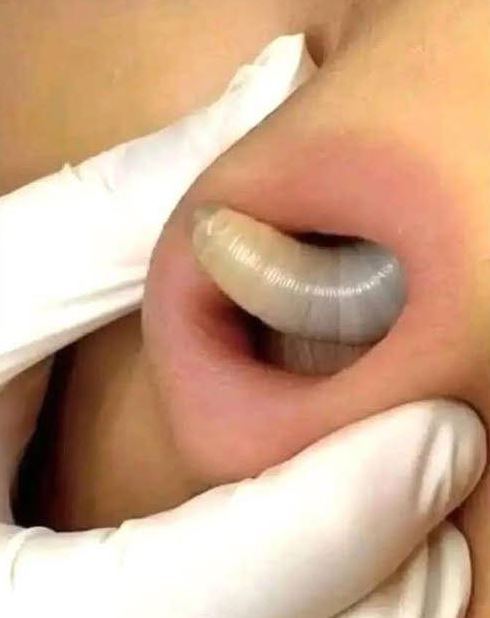
Warning: Content not suitable for sensitive stomachs. What you’re about to read sounds like something out of a horror movie… but it’s completely real. Imagine feeling a small itch on your arm, ignoring it as a simple mosquito bite, and days later discovering a live fly larva growing under your skin . Although it may seem incredible, this happens more often than you think, especially in tropical areas.
This terrifying phenomenon is known as cutaneous myiasis , an infection caused by the larvae of certain species of flies, such as Dermatobia hominis , also known as the “tumbu fly” or “human skin fly.” This species, native to Central and South America, has a reproduction method that is as terrifying as it is effective.
How does a larva get into your body?
The adult fly lays its eggs on a common mosquito. When that mosquito bites a human, the eggs are activated by body heat and release a microscopic larva that penetrates the skin unnoticed by the victim. Once inside, it settles comfortably under the skin and begins feeding on human tissue.
For the first few days, you only feel mild discomfort. Then, the area begins to swell, turns red, and becomes painful to the touch. The scariest part comes later: you can see a small hole in the center , where the larva breathes and sometimes even moves. Some people have reported feeling “something alive” inside. Yes, like in a science fiction movie.
Cases that went around the world
One of the most viral cases was that of a Canadian tourist who returned from vacation in Belize with a “suspicious bite” on his arm. Upon visiting the doctor, he was speechless: there were three live maggots inside his skin. The video of the procedure to remove them was watched by millions of people, many of whom confessed they couldn’t finish watching.
Not even Chuck Norris —yes, the icon of toughness—would have been prepared for something like this. The pain, anxiety, and disgust of feeling a living parasite in your body is an experience no one wants to endure.
This terrifying phenomenon is known as cutaneous myiasis , an infection caused by the larvae of certain species of flies, such as Dermatobia hominis , also known as the “tumbu fly” or “human skin fly.” This species, native to Central and South America, has a reproduction method that is as terrifying as it is effective.
How does a larva get into your body?
The adult fly lays its eggs on a common mosquito. When that mosquito bites a human, the eggs are activated by body heat and release a microscopic larva that penetrates the skin unnoticed by the victim. Once inside, it settles comfortably under the skin and begins feeding on human tissue.
For the first few days, you only feel mild discomfort. Then, the area begins to swell, turns red, and becomes painful to the touch. The scariest part comes later: you can see a small hole in the center , where the larva breathes and sometimes even moves. Some people have reported feeling “something alive” inside. Yes, like in a science fiction movie.
Cases that went around the world
One of the most viral cases was that of a Canadian tourist who returned from vacation in Belize with a “suspicious bite” on his arm. Upon visiting the doctor, he was speechless: there were three live maggots inside his skin. The video of the procedure to remove them was watched by millions of people, many of whom confessed they couldn’t finish watching.
Not even Chuck Norris —yes, the icon of toughness—would have been prepared for something like this. The pain, anxiety, and disgust of feeling a living parasite in your body is an experience no one wants to endure.

Buckingham Palace has been thrown into turmoil following a shocking revelation by Prince William. The Prince of Wales, in a move that has stunned both the royal family and the nation, has read aloud the late Queen Elizabeth II’s final will. The contents of this document, which had been shrouded in secrecy since her passing, are reportedly causing significant unrest within the royal household.
Sources close to the palace suggest that the late monarch’s last will contains unexpected decisions regarding the division of her immense wealth, properties, and personal treasures. More significantly, it is rumored that the document addresses deeply personal matters, including her wishes for the future roles of key family members. Prince William’s decision to unveil the will has reportedly left King Charles III, his father, deeply unsettled.
The reading reportedly took place in a private gathering at Buckingham Palace, attended by senior members of the royal family. Among them were King Charles, Queen Camilla, Princess Anne, Prince Edward, and Prince Harry, who returned to London specifically for this occasion. Notably absent was Meghan Markle, who stayed back in California with their children.

Insiders claim that the late Queen expressed heartfelt sentiments about her grandchildren and great-grandchildren, while also addressing unresolved tensions within the family. It is said that her will includes specific instructions aimed at healing the rift between Prince Harry and Prince William. However, the revelations have only intensified the divisions, particularly regarding the distribution of certain family heirlooms and estates.
One of the most contentious points is the fate of the late Queen’s beloved Balmoral Estate. According to leaks, the Queen may have bypassed traditional succession rules, choosing to leave Balmoral to Princess Charlotte instead of the current King. This unexpected move has reportedly left King Charles feeling undermined, further fueling speculation about internal discord.
Another startling revelation is the mention of Prince Harry and Meghan Markle. The late Queen’s will allegedly allocates significant funds to Harry, with a note expressing her desire for him to use it to establish his family’s future outside the royal fold. This decision has reportedly caused a stir among other members of the family, who feel the Sussexes’ departure from royal duties should have excluded them from such privileges.
Buckingham Palace has yet to comment officially on the matter, but royal experts believe the public fallout could be significant. Many Britons remain deeply connected to the memory of Queen Elizabeth II and view her final wishes as a reflection of her character and values. However, the potential for these revelations to widen existing rifts within the royal family is undeniable.
As the shockwaves from this disclosure ripple through the monarchy, all eyes are on Prince William, who now finds himself at the center of a storm. His decision to read the will publicly, though motivated by transparency, has left some questioning whether it was the right move for the stability of the royal family.
With the royal household grappling with these revelations, the legacy of Queen Elizabeth II faces its most challenging test yet. Will her final wishes bring the family closer together or push them further apart? Only time will tell as the world watches this unfolding drama.
Sources close to the palace suggest that the late monarch’s last will contains unexpected decisions regarding the division of her immense wealth, properties, and personal treasures. More significantly, it is rumored that the document addresses deeply personal matters, including her wishes for the future roles of key family members. Prince William’s decision to unveil the will has reportedly left King Charles III, his father, deeply unsettled.
The reading reportedly took place in a private gathering at Buckingham Palace, attended by senior members of the royal family. Among them were King Charles, Queen Camilla, Princess Anne, Prince Edward, and Prince Harry, who returned to London specifically for this occasion. Notably absent was Meghan Markle, who stayed back in California with their children.
Insiders claim that the late Queen expressed heartfelt sentiments about her grandchildren and great-grandchildren, while also addressing unresolved tensions within the family. It is said that her will includes specific instructions aimed at healing the rift between Prince Harry and Prince William. However, the revelations have only intensified the divisions, particularly regarding the distribution of certain family heirlooms and estates.
One of the most contentious points is the fate of the late Queen’s beloved Balmoral Estate. According to leaks, the Queen may have bypassed traditional succession rules, choosing to leave Balmoral to Princess Charlotte instead of the current King. This unexpected move has reportedly left King Charles feeling undermined, further fueling speculation about internal discord.
Another startling revelation is the mention of Prince Harry and Meghan Markle. The late Queen’s will allegedly allocates significant funds to Harry, with a note expressing her desire for him to use it to establish his family’s future outside the royal fold. This decision has reportedly caused a stir among other members of the family, who feel the Sussexes’ departure from royal duties should have excluded them from such privileges.
Buckingham Palace has yet to comment officially on the matter, but royal experts believe the public fallout could be significant. Many Britons remain deeply connected to the memory of Queen Elizabeth II and view her final wishes as a reflection of her character and values. However, the potential for these revelations to widen existing rifts within the royal family is undeniable.
As the shockwaves from this disclosure ripple through the monarchy, all eyes are on Prince William, who now finds himself at the center of a storm. His decision to read the will publicly, though motivated by transparency, has left some questioning whether it was the right move for the stability of the royal family.
With the royal household grappling with these revelations, the legacy of Queen Elizabeth II faces its most challenging test yet. Will her final wishes bring the family closer together or push them further apart? Only time will tell as the world watches this unfolding drama.

Teen Girl Hospitalized After Inserting Pen Into Herself — Doctors Urge Caution and Awareness
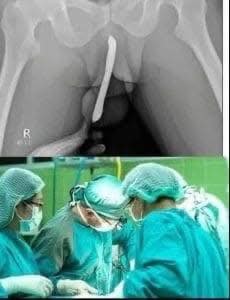
A deeply concerning incident has recently captured widespread attention across social media, raising serious questions about adolescent health education and awareness. A teenage girl was rushed to the hospital after reportedly inserting a pen into her genital area — a decision that resulted in severe internal injuries and a medical emergency.
According to hospital officials, the young girl arrived in critical condition and required immediate surgery to remove the foreign object and address significant internal trauma. Fortunately, surgeons were able to stabilize her condition, but the risks she faced were extremely serious, including the possibility of infection, internal bleeding, and long-term reproductive damage.
Medical Experts Issue a Strong Warning
In the wake of this alarming case, healthcare professionals are urging young people — and the adults responsible for them — to recognize the dangers of inserting non-medical or foreign objects into the body. These actions, often born of curiosity, boredom, or misinformation, can lead to life-threatening infections, tissue damage, or permanent complications.
“This is not something to be taken lightly,” one attending physician stated. “The human body, particularly sensitive areas like the genital tract, is not designed to accommodate objects that aren’t sterile or medically approved. What might seem like harmless experimentation can very quickly become a medical emergency.”
A Call for Better Education and Open Dialogue
Doctors and child psychologists alike are emphasizing the importance of early and honest conversations about body safety, self-exploration, and health literacy. Parents, guardians, and educators are encouraged to create safe spaces where young people can ask questions without fear of judgment or punishment.
“Curiosity is natural, especially during adolescence,” says one pediatric health expert. “But without proper guidance, that curiosity can lead to dangerous decisions. We need to ensure teens are receiving accurate, age-appropriate information about their bodies, boundaries, and personal safety.”
A Preventable Emergency — and a Wake-Up Call
While the teen is now recovering, her case serves as a sobering reminder of how a lack of awareness and communication can turn curiosity into crisis. Healthcare providers are calling for greater outreach efforts, including school-based education programs and online resources that address the realities of puberty, consent, and bodily autonomy.
Final Message: Think Before You Act
Medical professionals stress one clear rule: Never insert objects not intended for medical or hygienic use into the body. Doing so can result in irreversible harm.
This incident, while disturbing, also presents an opportunity — to talk more openly, to listen more carefully, and to ensure our youth are better informed about the consequences of risky behavior.
Share this story to raise awareness and help prevent similar tragedies. Let’s turn one young girl’s pain into a powerful lesson for others.
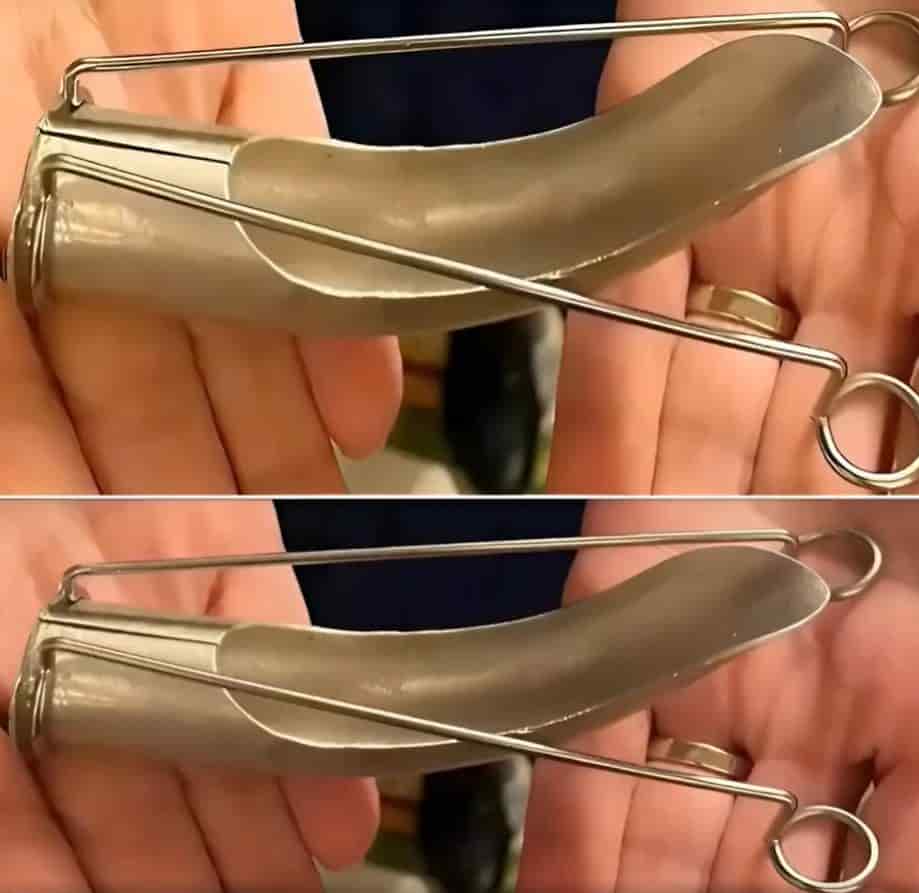
The moment my mother placed the object on the kitchen table, time seemed to pause. I remember the soft clink of metal on wood, the way she looked at me—not accusing, not alarmed, but puzzled. Almost curious. But I felt something very different.
Dread.
I knew my father kept secrets. Not the dramatic kind, like double lives or offshore bank accounts—at least not that I knew of. No, his secrets were quieter. His drawers, for instance, were strictly off-limits. He wasn’t a violent man, but the rules in our house were subtle and unspoken, and one of them was: Don’t go through Dad’s stuff.
And yet, here it was. On the table. Unlocked, unearthed, undeniable.
The Object
It was about the length of my forearm, curved slightly like a crescent moon, made of something that looked like stainless steel. From its center extended a thin rod with adjustable arms, each with tiny ball-shaped tips. It was flexible, but not flimsy. Cold to the touch, even under the warmth of the kitchen light.
«What do you think it is?» my mom asked, tilting her head. Her voice was calm, but there was an edge beneath it. A suspicion. A fear she hadn’t named.
I didn’t answer right away. Because I had an idea.
And it terrified me.
A Memory, Half-Buried
Three years ago, when my dad had emergency surgery after a minor car crash, I remember overhearing a conversation between two nurses.
“Unusual device embedded in his spine,” one of them said.
“A personal implant?” the other replied.
I remember the way they whispered, like it wasn’t meant for anyone else to hear.
I also remember my dad’s reaction when I asked about it later. He looked at me, smiled too wide, and changed the subject.
After that, I never brought it up again. But now, with this object in front of me, I couldn’t help but recall that moment.
Was this connected?
Not Just Metal
I picked up the object. Its weight surprised me. It was too heavy for what it looked like. As I turned it in my hands, I noticed something new—markings. Tiny etchings, barely visible to the eye.
Coordinates.
I entered them into my phone.
The result: A remote wooded area, hours away. A place none of us had ever been. A place my father had never mentioned.
The Discovery
I waited two days before confronting him. I didn’t want to be rash. I didn’t want to accuse. But I needed answers.
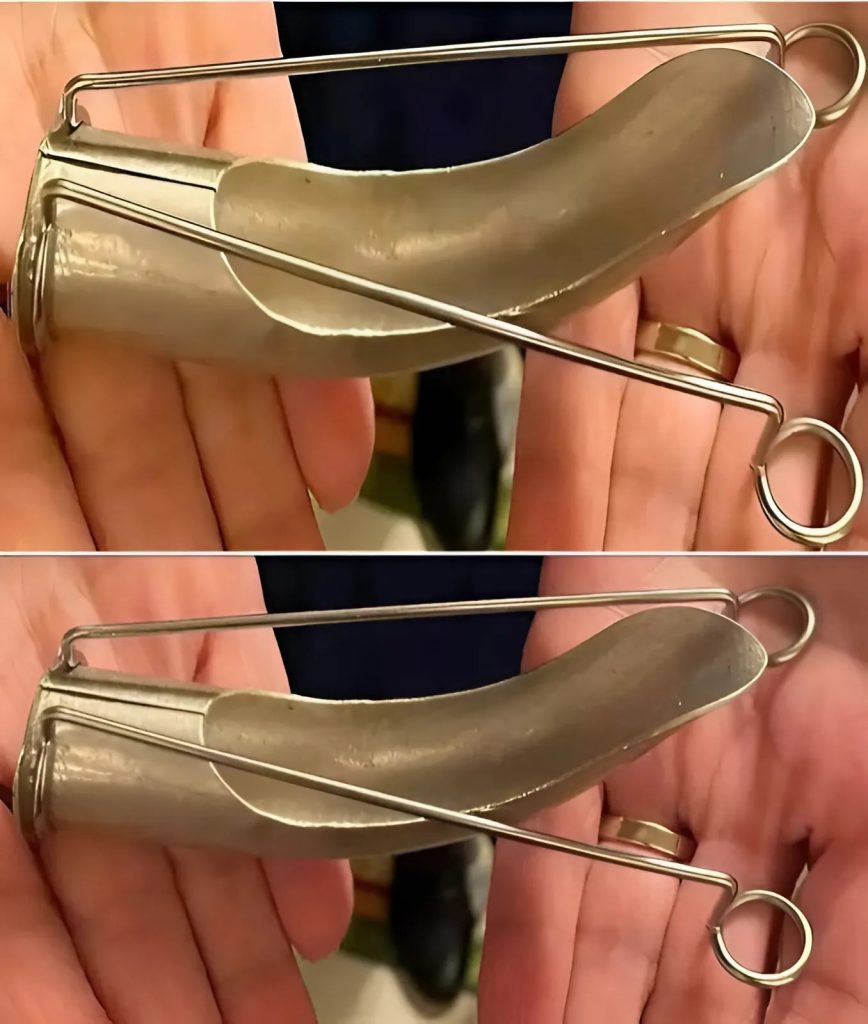
He was in his study, polishing a fountain pen. The kind of ordinary task he used to avoid difficult questions. I placed the object on his desk.
His face changed.
Not in fear. But in defeat.
“I was going to tell you,” he said softly.
“Tell me what?”
“That it’s not mine.”
The Story He Finally Told
According to my father, the object was discovered years ago, buried beneath the foundation of a cabin he inherited from a distant uncle. It was wrapped in cloth, inside a wooden box, with no explanation. He thought it was an old surgical tool. But when he showed it to an engineer friend, the man refused to even touch it.
Said it was “not built by anyone I know. Not human manufacturing.”
It became an obsession for him. He wanted to know what it was, what it did. But every time he tried to examine it too closely, he felt nauseous. Once, he fainted. Eventually, he sealed it away and tried to forget it.
But he couldn’t.
Neither could I.
The Truth—or a Fragment of It
In the days that followed, I researched everything I could. Strange devices. Unknown implants. Alleged alien tech. Deep web forums full of people like me—searching, decoding, speculating.
What scared me wasn’t just the object itself. It was the idea that my father had kept it, that he had felt something from it, and that now I was feeling it too.
Headaches. Vivid dreams. A low hum in quiet rooms. Was it all in my mind?
Or had something been activated?
The Decision
I had a choice: Destroy it. Bury it. Pretend it never existed.
Or follow it.
The coordinates were still in my phone. I packed a bag. I didn’t tell anyone—not even my mother. I took the object, wrapped tightly in layers of cloth, and I drove.
Hours later, I was standing in front of a small metal hatch in the middle of the woods. Exactly where the GPS said it would be.
And it was already open.
Why This Story Went Viral
Because it hits a nerve we all share: the fear that something unknowable may be closer than we think. That ordinary people, with ordinary lives, might be carrying pieces of something vast, hidden, and ancient.
We all have family secrets.
But what if one of them isn’t from this world?
Dread.
I knew my father kept secrets. Not the dramatic kind, like double lives or offshore bank accounts—at least not that I knew of. No, his secrets were quieter. His drawers, for instance, were strictly off-limits. He wasn’t a violent man, but the rules in our house were subtle and unspoken, and one of them was: Don’t go through Dad’s stuff.
And yet, here it was. On the table. Unlocked, unearthed, undeniable.
The Object
It was about the length of my forearm, curved slightly like a crescent moon, made of something that looked like stainless steel. From its center extended a thin rod with adjustable arms, each with tiny ball-shaped tips. It was flexible, but not flimsy. Cold to the touch, even under the warmth of the kitchen light.
«What do you think it is?» my mom asked, tilting her head. Her voice was calm, but there was an edge beneath it. A suspicion. A fear she hadn’t named.
I didn’t answer right away. Because I had an idea.
And it terrified me.
A Memory, Half-Buried
Three years ago, when my dad had emergency surgery after a minor car crash, I remember overhearing a conversation between two nurses.
“Unusual device embedded in his spine,” one of them said.
“A personal implant?” the other replied.
I remember the way they whispered, like it wasn’t meant for anyone else to hear.
I also remember my dad’s reaction when I asked about it later. He looked at me, smiled too wide, and changed the subject.
After that, I never brought it up again. But now, with this object in front of me, I couldn’t help but recall that moment.
Was this connected?
Not Just Metal
I picked up the object. Its weight surprised me. It was too heavy for what it looked like. As I turned it in my hands, I noticed something new—markings. Tiny etchings, barely visible to the eye.
Coordinates.
I entered them into my phone.
The result: A remote wooded area, hours away. A place none of us had ever been. A place my father had never mentioned.
The Discovery
I waited two days before confronting him. I didn’t want to be rash. I didn’t want to accuse. But I needed answers.
He was in his study, polishing a fountain pen. The kind of ordinary task he used to avoid difficult questions. I placed the object on his desk.
His face changed.
Not in fear. But in defeat.
“I was going to tell you,” he said softly.
“Tell me what?”
“That it’s not mine.”
The Story He Finally Told
According to my father, the object was discovered years ago, buried beneath the foundation of a cabin he inherited from a distant uncle. It was wrapped in cloth, inside a wooden box, with no explanation. He thought it was an old surgical tool. But when he showed it to an engineer friend, the man refused to even touch it.
Said it was “not built by anyone I know. Not human manufacturing.”
It became an obsession for him. He wanted to know what it was, what it did. But every time he tried to examine it too closely, he felt nauseous. Once, he fainted. Eventually, he sealed it away and tried to forget it.
But he couldn’t.
Neither could I.
The Truth—or a Fragment of It
In the days that followed, I researched everything I could. Strange devices. Unknown implants. Alleged alien tech. Deep web forums full of people like me—searching, decoding, speculating.
What scared me wasn’t just the object itself. It was the idea that my father had kept it, that he had felt something from it, and that now I was feeling it too.
Headaches. Vivid dreams. A low hum in quiet rooms. Was it all in my mind?
Or had something been activated?
The Decision
I had a choice: Destroy it. Bury it. Pretend it never existed.
Or follow it.
The coordinates were still in my phone. I packed a bag. I didn’t tell anyone—not even my mother. I took the object, wrapped tightly in layers of cloth, and I drove.
Hours later, I was standing in front of a small metal hatch in the middle of the woods. Exactly where the GPS said it would be.
And it was already open.
Why This Story Went Viral
Because it hits a nerve we all share: the fear that something unknowable may be closer than we think. That ordinary people, with ordinary lives, might be carrying pieces of something vast, hidden, and ancient.
We all have family secrets.
But what if one of them isn’t from this world?
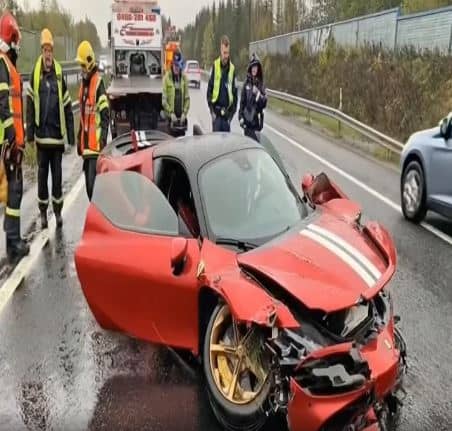
Teenager Brooklyn Horan and 35-year-old Tyson Jemmett were the two people who tragically died.
When Horan and Jemmet’s car crashed into a river at the Arcadia Road Rallysprint in Paparoa, they were racing.
According to a police investigator, the car went off the gravel road and into a flooded river.
First responders pronounced both of them dead at the scene.
MotorSport New Zealand made it official that Horan was behind the wheel of the car when it crashed.

New Zealanders can’t get a driver’s license until they are 16 years old, but younger drivers can compete in some situations.
MotorSport New Zealand’s website says that the junior driver program “means that people aged 12 to 16 can get a competition license.”
MotorSport says that young drivers often take part in these kinds of competitions.
The organization has said, though, that it will be doing a full investigation.
“The event took place on Arcadia Road in Paparoa which was closed to the public for the duration of the event under the authority of the local Road Controlling Authority,” a statement from MotorSport said.
“It is too early in the investigation to comment on what the main contributing factors to the crash were, however, it does not seem as though the road was in a detrimental or unsafe condition.”
“Our thoughts are with the families and friends of these two competitors and everyone involved with the Arcadia Road Rallysprint,” said Wayne Christie, president of Motorsport New Zealand.
“This terrible tragedy will, without a doubt, shock and upset everyone in the motorsports world.”
“We will be offering support to all those involved in the coming days.”

A lot of people have been paying tribute to the two on social media.
After hearing about the two-fatality crash, Hyden Paddon, winner of the World Rally Championship, went on X to say how sorry he is.
He said, “What a sad event yesterday! Two great people were taken too soon.”
“Tyson was a huge rally fan and family man, and Brooklyn Horan was one of the most exciting young rally stars who was going to make it big.”
“Your career may have only just been starting but you had already left your mark.”
Winger Motorsport wrote: “On behalf of the team at Winger Motorsport, we send our condolences to the friends and family of Brooklyn Horan and his co-driver Tyson.”
(1Eighty Racing) added, “Such a natural talent! Your family is in our thoughts and you will be missed on the track.
While Hodgson Motorsport wrote, “It was with a heavy heart that we heard the breaking news that Brooklyn died while doing the very thing our families loved together.”
“It’s times like these that you remember that the sport we chose comes with the highest of highs and the lowest of lows.”
“Brooklyn you were an amazing kind loving happy kid and that hadn’t changed years later when we crossed paths again back at off-roading last year, the cheeky smile was still the same, you had just grown a weeee bit taller.”
His wife, Lucy, is pregnant with their first child and will miss him very much.
When Horan and Jemmet’s car crashed into a river at the Arcadia Road Rallysprint in Paparoa, they were racing.
According to a police investigator, the car went off the gravel road and into a flooded river.
First responders pronounced both of them dead at the scene.
MotorSport New Zealand made it official that Horan was behind the wheel of the car when it crashed.
New Zealanders can’t get a driver’s license until they are 16 years old, but younger drivers can compete in some situations.
MotorSport New Zealand’s website says that the junior driver program “means that people aged 12 to 16 can get a competition license.”
MotorSport says that young drivers often take part in these kinds of competitions.
The organization has said, though, that it will be doing a full investigation.
“The event took place on Arcadia Road in Paparoa which was closed to the public for the duration of the event under the authority of the local Road Controlling Authority,” a statement from MotorSport said.
“It is too early in the investigation to comment on what the main contributing factors to the crash were, however, it does not seem as though the road was in a detrimental or unsafe condition.”
“Our thoughts are with the families and friends of these two competitors and everyone involved with the Arcadia Road Rallysprint,” said Wayne Christie, president of Motorsport New Zealand.
“This terrible tragedy will, without a doubt, shock and upset everyone in the motorsports world.”
“We will be offering support to all those involved in the coming days.”
A lot of people have been paying tribute to the two on social media.
After hearing about the two-fatality crash, Hyden Paddon, winner of the World Rally Championship, went on X to say how sorry he is.
He said, “What a sad event yesterday! Two great people were taken too soon.”
“Tyson was a huge rally fan and family man, and Brooklyn Horan was one of the most exciting young rally stars who was going to make it big.”
“Your career may have only just been starting but you had already left your mark.”
Winger Motorsport wrote: “On behalf of the team at Winger Motorsport, we send our condolences to the friends and family of Brooklyn Horan and his co-driver Tyson.”
(1Eighty Racing) added, “Such a natural talent! Your family is in our thoughts and you will be missed on the track.
While Hodgson Motorsport wrote, “It was with a heavy heart that we heard the breaking news that Brooklyn died while doing the very thing our families loved together.”
“It’s times like these that you remember that the sport we chose comes with the highest of highs and the lowest of lows.”
“Brooklyn you were an amazing kind loving happy kid and that hadn’t changed years later when we crossed paths again back at off-roading last year, the cheeky smile was still the same, you had just grown a weeee bit taller.”
His wife, Lucy, is pregnant with their first child and will miss him very much.


Turtles are often thought of as slow-moving creatures, but when it comes to mealtime, they can exhibit surprising speed and agility. This particular turtle was treated to a fish placed right in front of it, and the result was a quick and efficient feast that left onlookers amazed.
As the fish was placed down, the turtle didn’t hesitate. With a swift motion, it positioned itself closer, eyes fixated on the meal. You could almost feel the anticipation as it prepared to strike.
In a matter of seconds, the turtle lunged forward, demonstrating that despite their usual leisurely pace, turtles can surprise us with their speed and precision when motivated by hunger. The fish was quickly devoured, showcasing the turtle’s efficient eating capabilities.
This fascinating display of nature reminds us that every creature has its own unique adaptations and behaviors that allow it to thrive. Watching this turtle devour its meal with such enthusiasm and speed was a delightful surprise and a testament to the unexpected prowess of these remarkable reptiles.
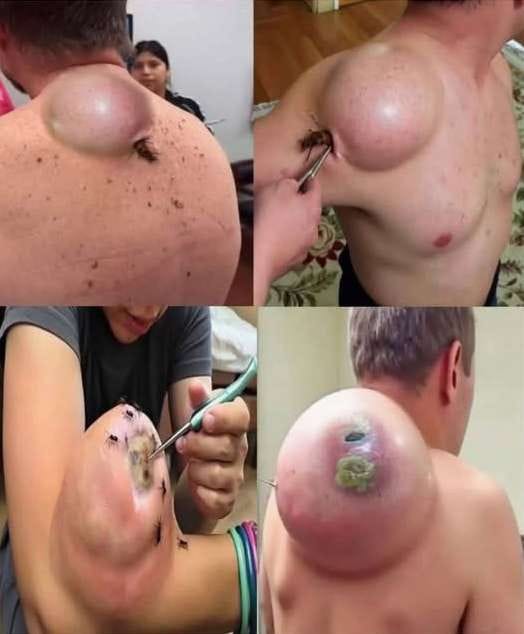
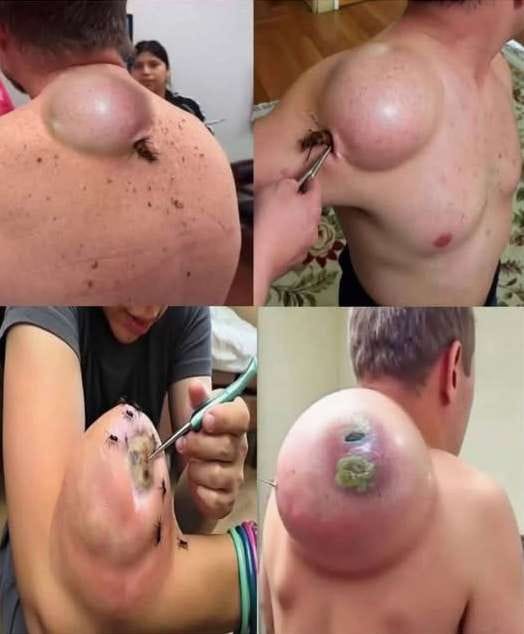
Our skin is not just a protective layer—it can also act as an early warning system for internal health issues. When large, abnormal swellings appear under the skin, particularly on the shoulder, back, or arms, it can be alarming. These unusual lumps may seem benign at first, but in some cases, they could indicate serious underlying conditions that require medical attention.
This article provides a comprehensive health guide to understanding what such skin abnormalities might mean, when they are harmless, and when you should seek professional help.
What Do Large, Round Lumps on the Skin Indicate?
If you notice an enlarged, dome-shaped swelling that appears suddenly or gradually increases in size, it could be linked to several conditions. Here are some of the most common and medically recognized causes:
1. Abscesses
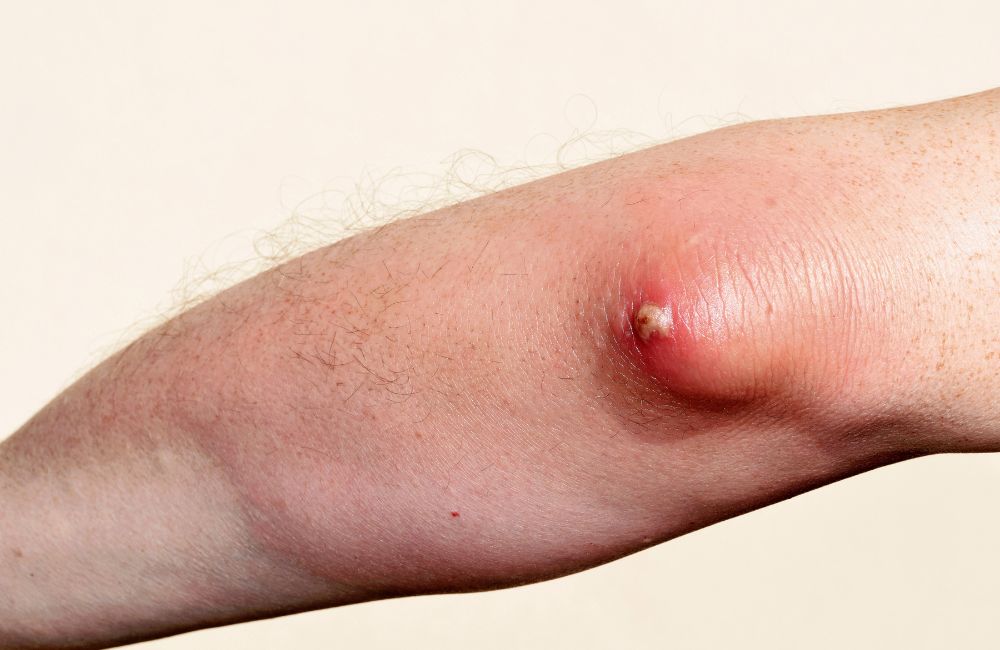
An abscess is a localized collection of pus caused by a bacterial infection. It is typically red, swollen, and painful.
Symptoms: Tenderness, heat, possible fever
Appearance: Raised lump, may be firm or fluctuant (soft)
Risk: Infection may spread without treatment
Treatment: Requires drainage and possibly antibiotics
2. Sebaceous or Epidermoid Cysts
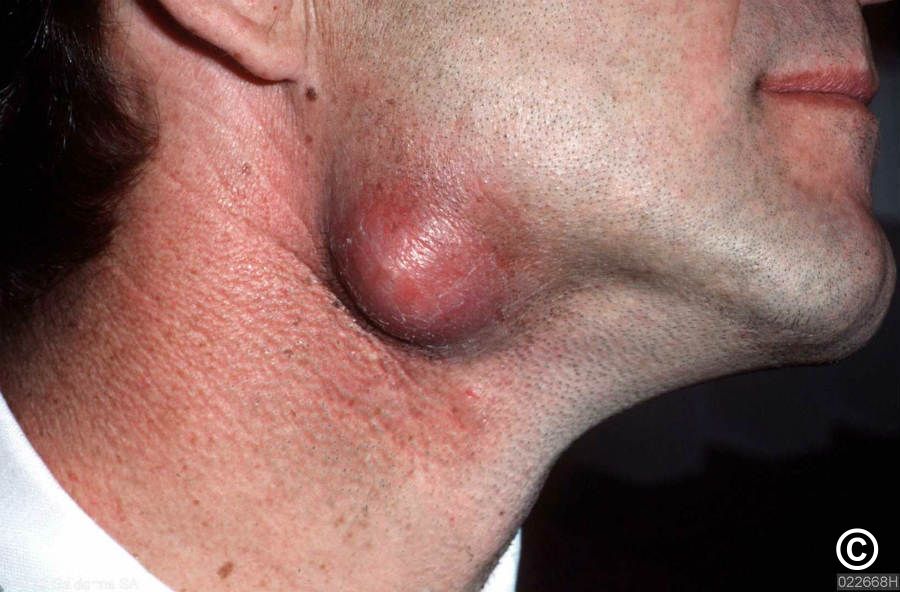
These are non-cancerous lumps beneath the skin that develop from blocked sebaceous glands.
Symptoms: Usually painless, slow-growing
Appearance: Round, firm, skin-colored or slightly yellow
Risk: Infection if irritated or ruptured
Treatment: Often harmless, but may be removed if inflamed or uncomfortable
3. Lipomas
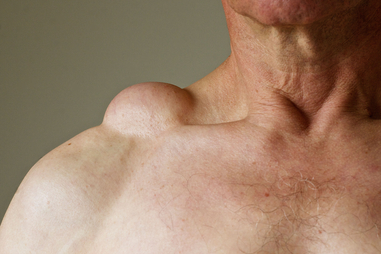
Lipomas are soft, benign tumors made up of fat tissue. They commonly appear on the back, shoulders, or arms.
Symptoms: Painless, soft to the touch
Appearance: Mobile under the skin, not inflamed
Risk: Rarely become cancerous, but large ones may cause discomfort
Treatment: Typically removed for cosmetic reasons or if compressing nearby structures
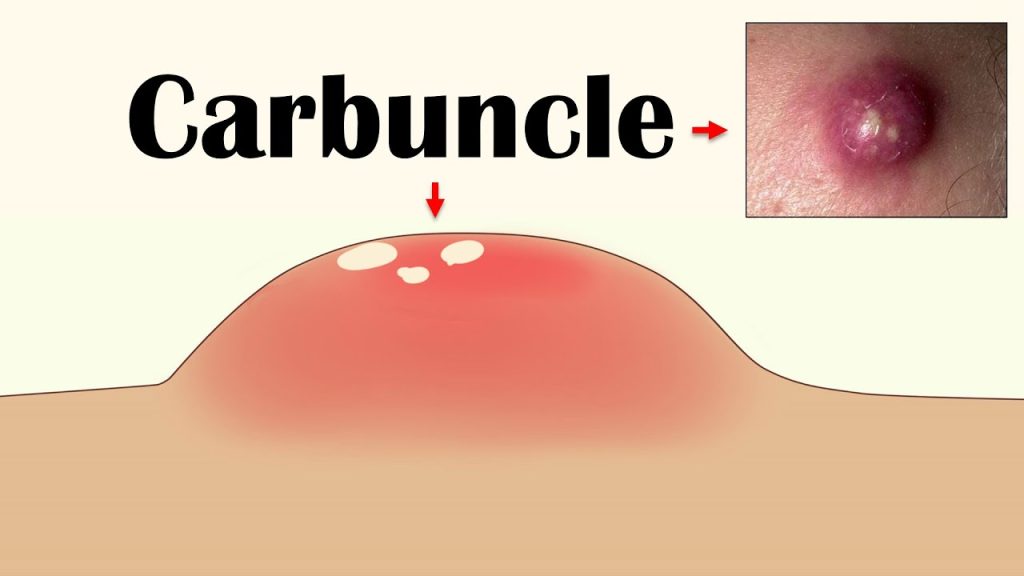
4. Boils (Furuncles) and Carbuncles
Our skin is not just a protective layer—it can also act as an early warning system for internal health issues. When large, abnormal swellings appear under the skin, particularly on the shoulder, back, or arms, it can be alarming. These unusual lumps may seem benign at first, but in some cases, they could indicate serious underlying conditions that require medical attention.
5. Soft Tissue Tumors
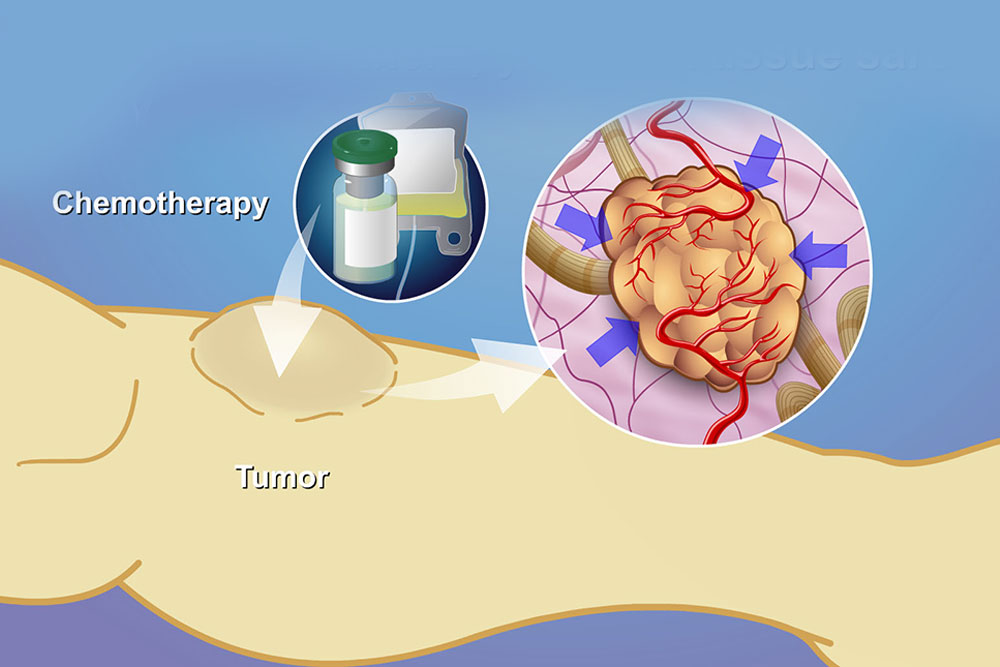
While most are benign, certain tumors (such as dermatofibrosarcoma or sarcomas) can appear as painless swellings on the skin.
Symptoms: Painless, but progressive growth
Appearance: Deep-seated, may feel firm or rubbery
Risk: Malignancy in rare cases
Treatment: Requires biopsy and specialized care
When to Worry About a Skin Lump
Not all skin lumps are dangerous, but there are specific warning signs that should prompt immediate medical evaluation:
Rapid growth over days or weeks
Pain or tenderness
Redness, warmth, or pus discharge
Fever, fatigue, or swollen lymph nodes
Skin over the lump changing color or texture
Recurrence after previous treatment
These symptoms may indicate a spreading infection or, in rare cases, a more serious condition such as cancer.
Possible Complications If Left Untreated
Ignoring a skin lump can lead to complications, such as:
Infection spreading to surrounding tissue (cellulitis)
Abscess rupture, leading to scarring or deeper infection
Chronic cysts that enlarge and press on nearby tissues
Delayed diagnosis of malignant tumors
Safe Steps to Take
If you or a loved one notices a suspicious lump or swelling:
Avoid squeezing or puncturing it yourself
Do not apply unverified home remedies without knowing the cause
Schedule an appointment with a dermatologist or primary care provider
Request diagnostic imaging (like ultrasound) if the lump is deep or solid
Follow up even if symptoms improve temporarily
How Doctors Diagnose Skin Lumps
A medical provider may:
Perform a physical examination
Use ultrasound or MRI to examine internal structure
Order blood tests for signs of infection
Recommend biopsy if malignancy is suspected
Early diagnosis can make a significant difference in outcomes.
Prevention Tips
While not all lumps are preventable, you can reduce risks by:
Practicing good hygiene to avoid bacterial infections
Avoiding tight clothing that irritates the skin
Treating minor skin injuries promptly
Monitoring changes in skin regularly
Final Thoughts
Skin lumps can range from harmless cysts to serious infections or tumors. Understanding what they may indicate—and recognizing when they need medical attention—can help prevent complications and promote better health outcomes.
If you notice a large, firm, or tender swelling under the skin, especially in areas like the back or shoulders, do not ignore it. Early evaluation by a healthcare professional is the safest and most effective step.